
Last updated November 24, 2026
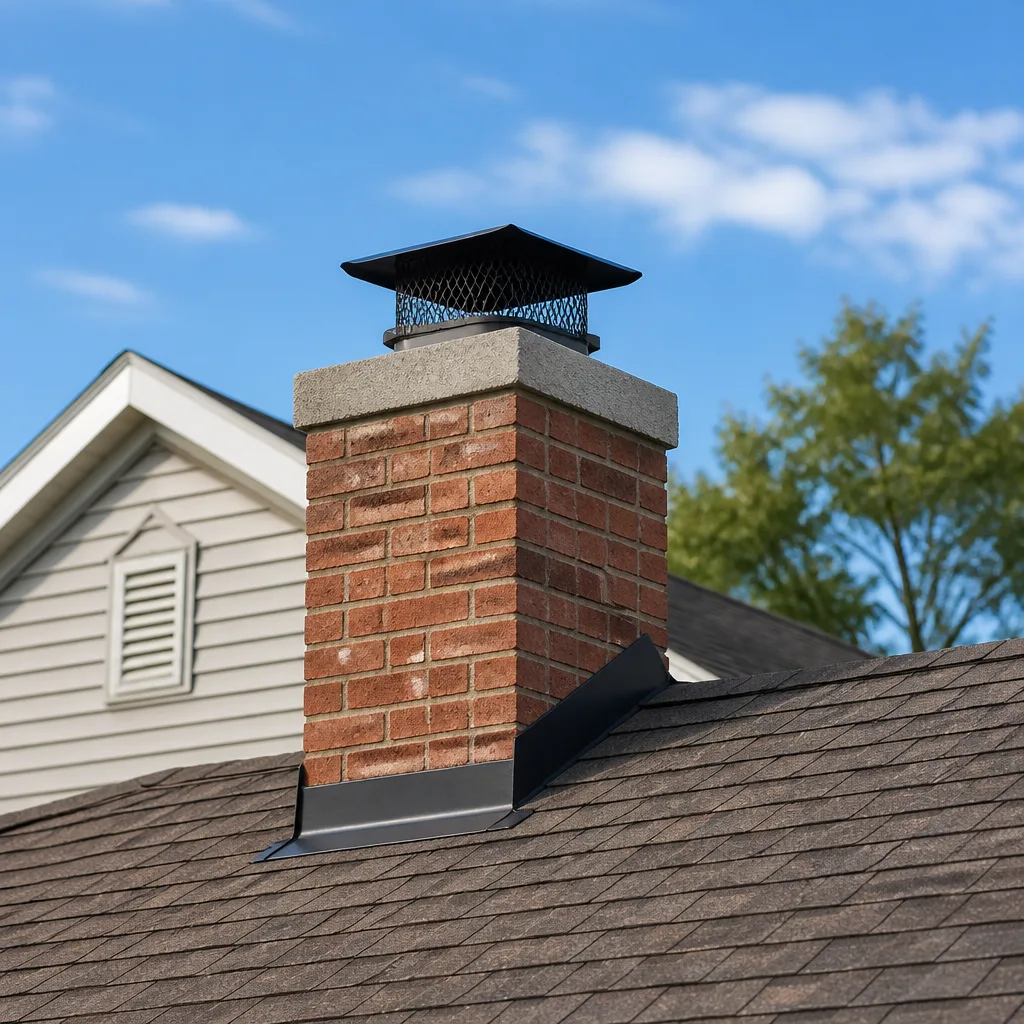 Sweep & inspection
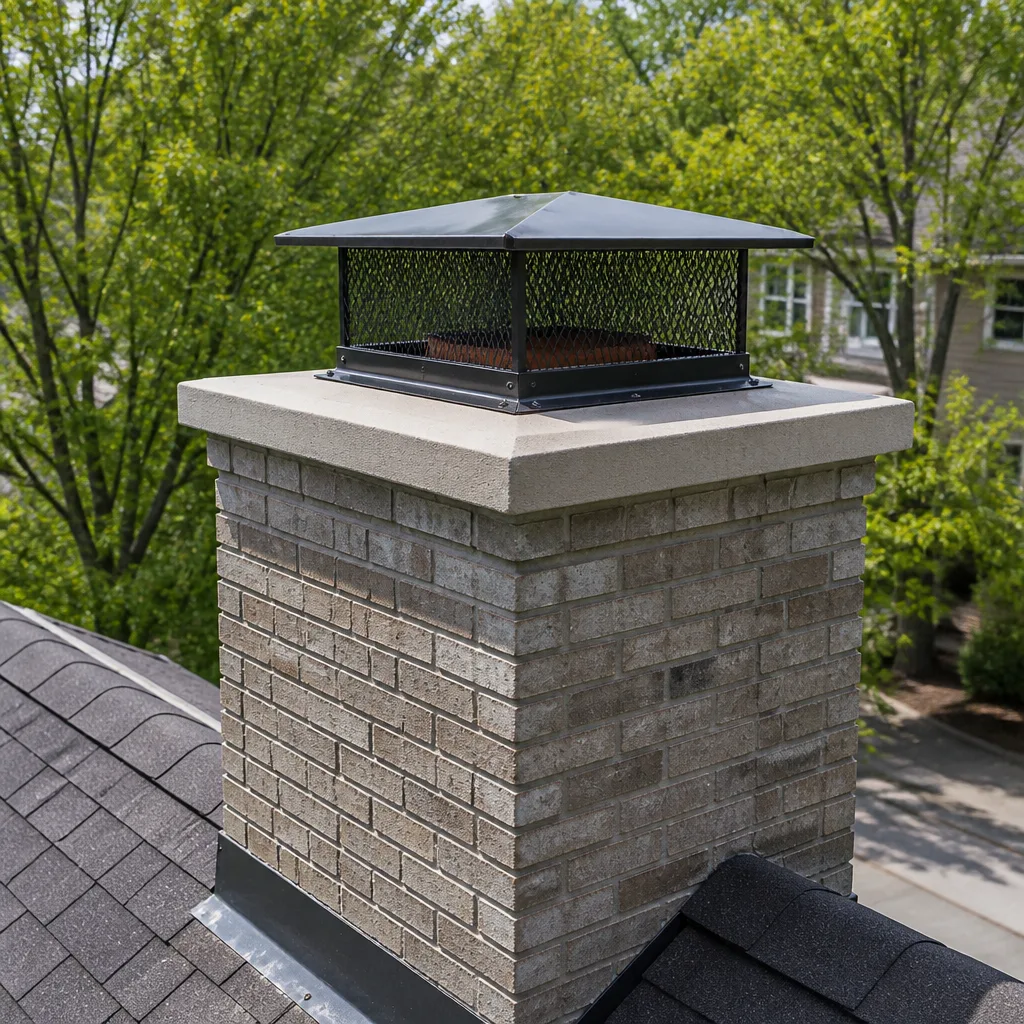 Caps & crowns
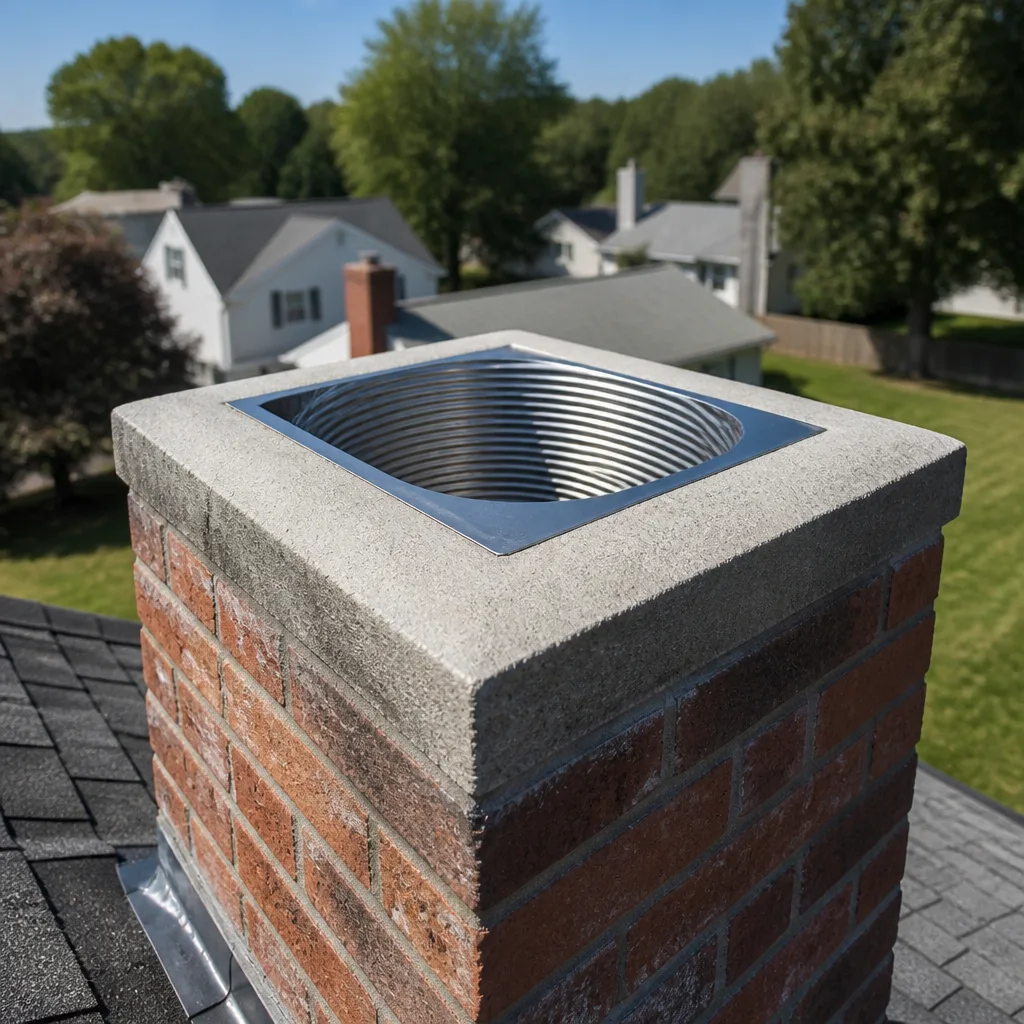 Flue relining
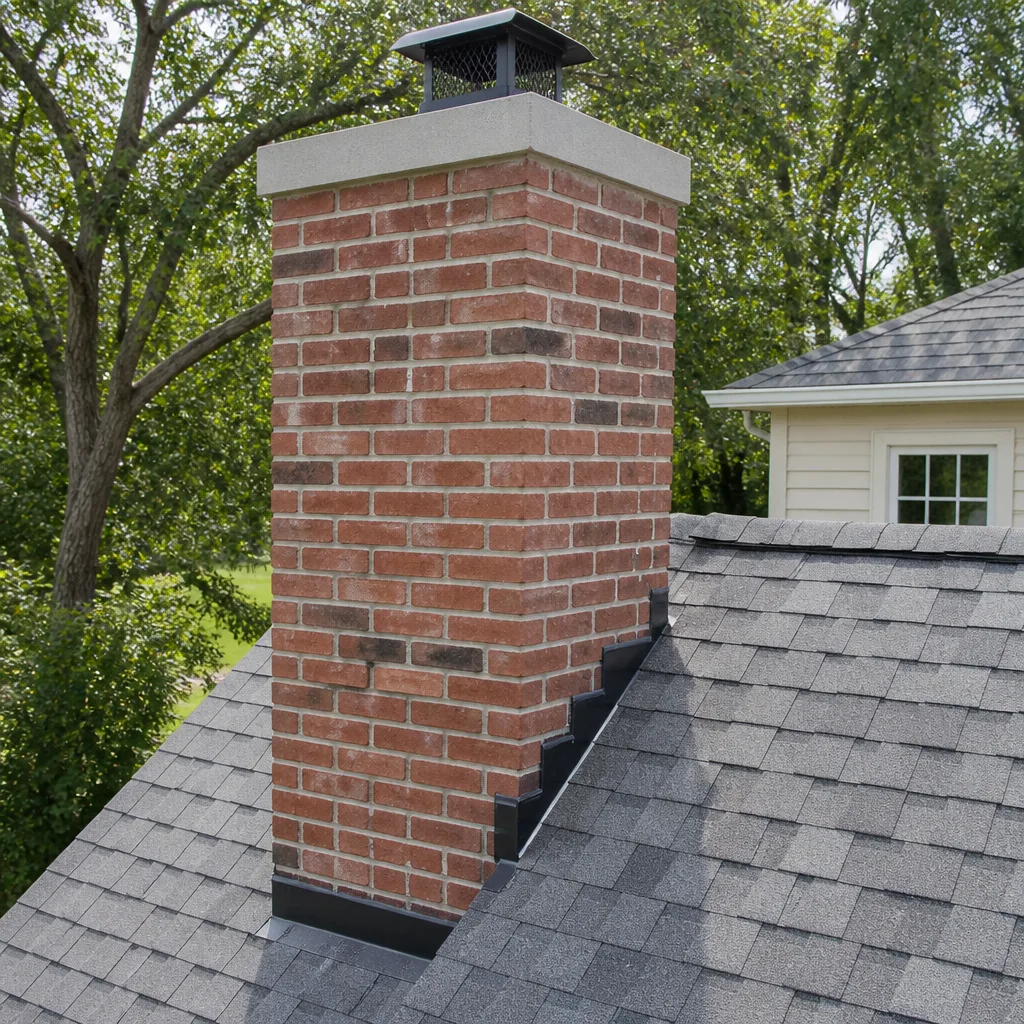 Masonry repair
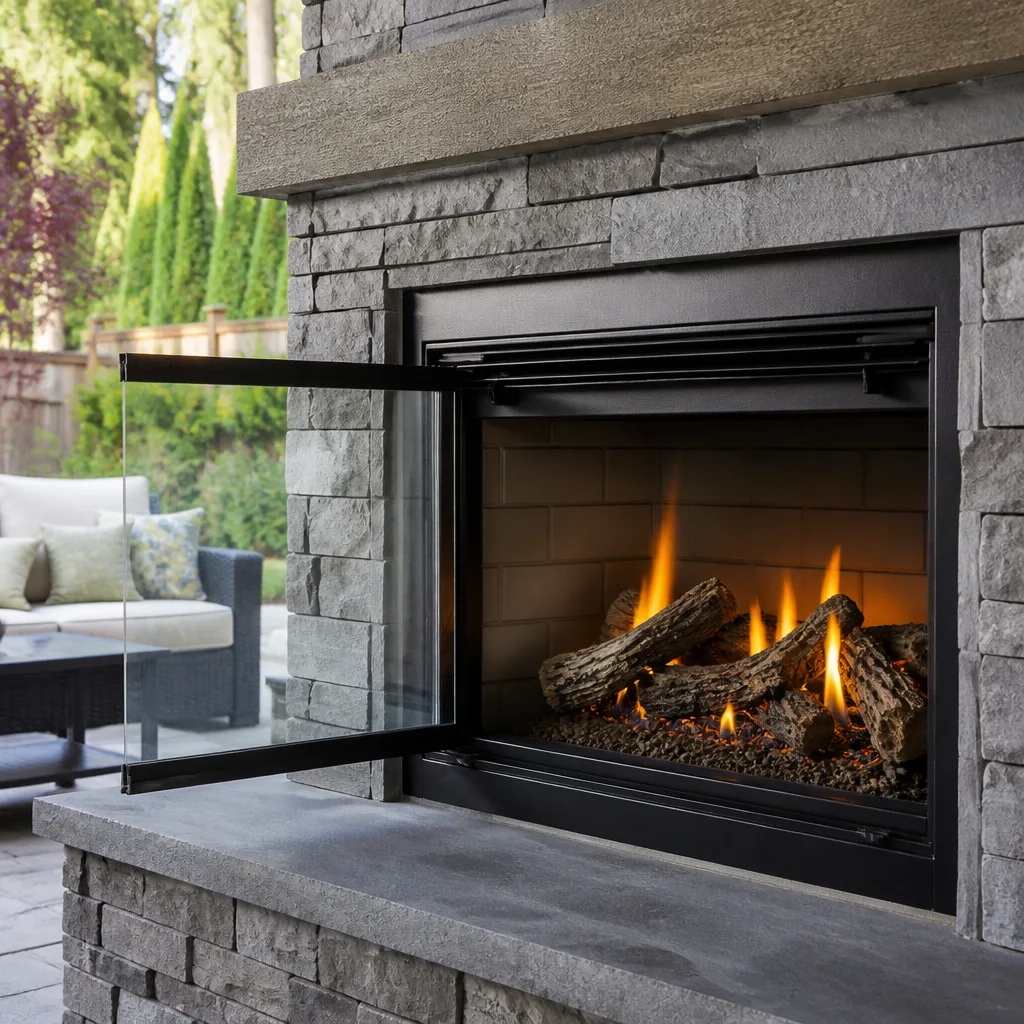 Gas fireplace service
Level 1 sweep and inspection to the NFPA 211 annual standard - flue, crown, cap, and flashing checked and photographed
Chimney sweep logs do not sweep chimneys. They loosen some creosote - which then falls where a brush and vacuum still have to collect it.
The Complete Guide to Chimney Cleaning in Murray
Most chimney fires don’t start because a homeowner skipped a cleaning. They start because the cleaning happened and the glazed, tar-like creosote bonded to the liner was never treated as its own problem. Loose soot is obvious. A Stage 2 or Stage 3 glaze is not, and it burns hot enough to crack a clay tile from the inside out. In Murray, where winter air inversions trap cold air against the Wasatch and wood burning climbs through January and February, that glaze builds faster than most national guides suggest. This guide walks the whole system from firebox to crown, explains what each part does, and shows you how to read an inspection report so you can make a real decision instead of a hopeful one. One note before we start: our technicians have up to 9 years of experience, and the brand names you’ll see here are the ones we actually specify, not decoration.
Quick Answer
Chimney cleaning in Murray means removing creosote, soot, and obstruction from the flue, then inspecting the whole system so the sweep can tell you what the cleaning revealed. A proper service is a cleaning plus a Level 2 camera inspection, because soot removal alone can’t tell you whether the clay tile liner has cracked. In Murray’s freeze-thaw cycle, the crack matters more than the soot: it’s the path for heat, carbon monoxide, and moisture to reach framing.
Styles & brands we work with
- Sweep & inspection
- Caps & crowns
- Flue relining
- Masonry repair
- Gas fireplace service
Table of Contents
- Why Murray Chimneys Age Differently
- Level 1, 2, and 3 Inspections: What Triggers Each
- Why Clay-Tile Condition Is the Real Safety Variable
- What Cleaning Involves by Appliance Type
- How to Read a Chimney Sweep’s Written Report
- What Chimney Cleaning Costs in Murray
- How Often Should a Murray Chimney Be Swept?
Why Murray Chimneys Age Differently
Murray sits against the Wasatch foothills in a valley bowl, and that geography dictates how a chimney wears. During winter inversions, cold dense air settles and a warmer layer traps it. Smoke from every fireplace in the neighborhood sits low, and it does two things: it keeps homeowners burning longer into the evening than they might in a windier climate, and it pushes more exhaust back against the cap and crown. Heavy, sustained use plus trapped moisture is the recipe for faster creosote accumulation and faster masonry aging.
The second factor is the ground. Clay soils and freeze-thaw cycles are hard on a chimney’s exterior. Water soaks into brick and mortar, freezes overnight, expands, and thaws the next day. Repeat that across a Murray winter and hairline joints open up. Those joints are how water gets behind a crown, saturates the smoke chamber, and eventually finds its way to the framing behind the fireplace.
So a cleaning isn’t just about how much soot we pull out. It’s about what the cleaning exposes: cracked tile, eroded mortar joints, a crown that’s separated from the flue. Understanding the whole system lifecycle, from firebox to cap, is how you avoid a surprise rebuild. If you’re ready to see what your flue looks like from the inside, a professional Chimney Sweep Murray visit gives you that picture the same day.
Level 1, 2, and 3 Inspections: What Triggers Each
NFPA 211 sets the industry standard for chimney inspections, and the levels aren’t marketing tiers. Each level answers a different question, and each is triggered by a different kind of event. Most homeowners need to know which one applies before they book, because a Level 1 inspection is not a substitute for a Level 2, and paying for the wrong one leaves the real question unanswered.
Level 1 Inspection
A Level 1 is the basic visual check: firebox, damper, flue from below, and the accessible exterior. It happens when the system is functioning as expected, no changes have been made, and you’re due for a routine sweep. If nothing turns up, a Level 1 plus the cleaning is enough.
Level 2 Inspection
A Level 2 adds a camera run through the flue and a look at accessible portions of the attic, crawl space, and chimney exterior. It’s triggered when the appliance changes, when a home changes hands, after a chimney fire, after an earthquake or major storm, or when the flue has been relined or resurfaced. This is the inspection that actually finds a cracked clay tile, because the camera sees what the eye cannot from the firebox.
Level 3 Inspection
A Level 3 goes further, and it can involve removing parts of the chimney or the wall to reach a concealed area. It’s triggered when a Level 1 or 2 turns up a problem that can’t be diagnosed without access. Nobody wants a Level 3, but a hidden crack behind masonry is exactly the kind of thing that makes one necessary.
- Book a Level 1 for routine annual maintenance and a standard sweep.
- Book a Level 2 whenever the appliance, the liner, or the ownership of the home changes, or after any chimney fire.
- Book a Level 3 only after a lower-level inspection identifies a problem that needs concealed access to confirm.
Why Clay-Tile Condition Is the Real Safety Variable
Clay tile is the most common flue liner in Murray homes, and it’s also the part of the system that fails most quietly. A clay tile flue is a stack of individual tiles seated in mortar. Each tile cracks independently. Each mortar joint erodes. From the firebox you can see the first few feet and then nothing, which is why a soot-covered tile can look fine right up until a camera shows the crack.
Cleaning is what makes cracks visible. A dirty flue hides its own damage. Once the sweep removes the glaze and soot, the tile surface and joints show their real condition: a hairline fissure, a chunk missing at a joint, mortar that has crumbled out and left a gap between tiles. Those gaps are the pathway for hot gases and carbon monoxide to reach framing, and any water that finds its way in can freeze and widen the break.
- One cracked tile in an otherwise sound flue usually calls for a relining solution rather than a full rebuild.
- Failed mortar joints between tiles mean the flue is no longer a continuous, gas-tight column.
- Spalling on the exterior (flaking brick faces) suggests moisture is working from the outside in, and the liner is worth checking closely.
- A flue that has already failed a camera inspection and been patched should be re-inspected rather than assumed stable.
This is where HeatShield liner resurfacing earns its place. It rebuilds the interior of a clay tile flue rather than replacing the whole system, and it’s a capability most sweep-only companies don’t carry. If your flue is structurally intact but damaged at the joints, resurfacing can restore it. If the tile is beyond saving, or the flue path is too complex for a rigid liner, a DuraFlex flexible liner handles the geometry rigid systems can’t. We work on the whole system, not just the flue, so a cleaning and its findings don’t get handed off to a second contractor. If a repair is needed, that’s chimney repair done in the same visit cycle.
What Cleaning Involves by Appliance Type
A “chimney cleaning” is not one procedure. It changes depending on what’s burning. Wood creates creosote; gas creates a different kind of residue; a stove demands a different brush and a different inspection. Knowing what your appliance puts into the flue tells you what the sweep is actually looking for.
Wood-Burning Fireplace
The classic case. Creosote builds in three stages, from loose fluffy soot to a glazed tar. A wood fireplace gets brushed and vacuumed, the smoke shelf and damper get cleaned, and the firebox gets scraped. A standard wood fireplace is where an annual sweep matters most, because creosote volume is highest here.
Gas Insert or Gas Fireplace
Gas produces far less creosote, but it produces moisture and a different residue that can corrode a metal liner over time. A gas insert still needs an inspection and a clean flue, and the venting system needs to be checked for proper draft and for a blocked or deteriorated termination. Cleaning is lighter, but the inspection still matters.
Wood Stove
A wood stove runs hotter and more efficiently than an open fireplace, but the flue still glazes. Stovepipe connections need to be checked for tightness, and the flue behind the stove is a common place for a heavy glaze to hide. A wood stove is often the appliance that reveals the difference between a quick brush-out and a real inspection.
Pellet Stove
Pellet stoves produce fly ash, which is fine and gets everywhere: the vent, the exhaust passages, the combustion blower area. A pellet vent needs to be cleaned on its own schedule, and the venting should be checked for a fire-rated configuration. Fly ash can pack a vent and reduce draft without setting off any alarm, so a visual “it looks clean” isn’t enough.
- Identify the appliance before booking, so the sweep brings the right tools and the right inspection level.
- Sweep the flue with the appropriate brush, from the top or from the firebox, and vacuum the debris.
- Clean the smoke chamber and shelf for wood appliances, the residue-prone areas for gas, the ash-prone passages for pellet.
- Run the camera for a Level 2, and photograph what it finds.
- Document the findings in a written report before anything else is recommended.
Every one of those steps applies to a full sweep of any chimney sweep, and none of it is optional if the report is going to be trustworthy.
How to Read a Chimney Sweep’s Written Report
A written report is the single most useful document a sweep can hand you, and it’s also the most often ignored. Most homeowners glance at the price and skip the findings. The findings are the whole point: they tell you which problems need action now and which can be monitored. Here’s how to read one without panic and without wishful thinking.
Start with the inspection level. A Level 1 report covers less than a Level 2, and any report should state which level was performed. Then read the component list. A good report names each part: crown, cap, flue tiles, smoke chamber, damper, firebox, appliance connection. Each comes with a condition word: sound, monitor, repair, or unsafe. Ask what each condition word means in your report, and have the sweep show you the photographs.
- Immediate action: a cracked tile with a gap, a failed crown that lets water in, a damaged cap that lets animals or debris into the flue, an unsafe appliance connection, or any evidence of a prior chimney fire.
- Monitor: a hairline crack at a joint that isn’t yet failing, minor exterior spalling, a small amount of Stage 2 creosote that can be addressed on a next sweep.
- Clean-and-watch: a sound flue that just needs its routine sweep and a schedule for the next inspection.
Nothing should be recommended without a photograph you can see for yourself. If a sweep tells you the crown is failing, you should be looking at the failed crown, not at a clipboard. The findings should connect to a component, and any repair should have a photo behind it. Chimney cap and crown work protects the investment after a cleaning, so if the cap is missing or the crown is cracked, that recommendation is about preventing water damage, not adding a line item. If the whole interior needs resurfacing, HeatShield is the process to ask about; if the flue path is unusual, DuraFlex flexible liner systems handle configurations rigid liners can’t. We specify brands professionals across the industry rely on, including Gelco and Olympia Chimney, because a cap or a crown from a hardware-store substitute tends not to be the same thing.
What Chimney Cleaning Costs in Murray
Chimney cleaning in Murray typically falls into a range, and the range is set by what the sweep actually has to do: a standard wood fireplace flue is different from a tall, glazed flue behind a wood stove, and a Level 2 camera inspection adds work to the visit. Call it typical or estimated, not exact. The written estimate sets the final price.
- Routine sweep, standard wood fireplace: the low end of the range for a single flue with normal soot.
- Sweep with a Level 2 camera inspection: a higher range, because the camera run and photo report are part of the job.
- Heavy Stage 2 or Stage 3 glaze: priced per job, since removal takes more time and more care than a normal sweep.
- Chimney cap or crown installation: quoted per job based on the size and pitch of the crown and the style of cap.
- HeatShield resurfacing or DuraFlex relining: quoted per job after the camera inspection shows exactly what the flue needs.
The estimate is free, and it’s written. Anything that needs repairing gets priced only after the cleaning and inspection reveal it, which keeps you from paying for a guess. If you’ve been quoted a large number for a liner or a rebuild by another company, get a second look and ask to see the photographs. A recommendation you can see for yourself is a recommendation worth trusting. Call (855) 616-0935 for an exact quote: the estimate is free.
How Often Should a Murray Chimney Be Swept?
Once a year is the general rule, and in Murray specifically the timing matters. The valley’s inversion season pushes heavy fireplace use into the coldest stretch of winter, which means creosote builds through the season and the burn is already inside the flue when spring arrives. Sweeping in late summer or early fall, before the first cold snap and before the burning season begins, gets ahead of that buildup instead of chasing it.
A few cases need more frequent attention. If the appliance is a wood stove that runs hot and often, or the wood you burn is less than fully seasoned, the flue glazes sooner. If you’ve had a chimney fire, even a small one, the system needs an inspection before it’s used again, regardless of when the last sweep was. If the fireplace wasn’t used for a season because the home was vacant or the appliance was changed, have it checked before the first fire, because animals, debris, and moisture don’t wait.
- Schedule once a year for a routine sweep, ideally before burning season.
- Sweep more often if your wood is unseasoned or your stove runs heavy.
- Inspect after any chimney fire, before the next burn.
- Check before the first fire after a season of vacancy or an appliance change.
Cleaning prevents fires; sound construction prevents costly rebuilds. We do both, and a single inspection can tell you whether you need a sweep, a liner repair, or a new crown, and we can handle all three.
Common Mistakes to Avoid
- Treating a sweep as soot removal only. If the visit doesn’t include an inspection and a report, you’ve paid to hide the problem, not find it.
- Assuming a clean-looking firebox means a sound flue. The cracked tile and the failed mortar joint are above the firebox, which is exactly where you can’t see.
- Skipping the Level 2 after a home purchase. A sale is a trigger for a camera inspection, and Murray clay tile is old enough that a crack is a real possibility.
- Ignoring the crown until it fails. A cracked or separated crown lets Murray water into the smoke chamber, and water damage is what turns a repairable liner into a masonry job.
- Fitting a generic cap from a hardware store. A cap and crown sourced from Famco or Copperfield is the kind of thing that’s built for a chimney; a substitute often isn’t.
- Burning unseasoned wood to stretch the winter. Wet wood makes more moisture and more creosote, and it’s a common reason a flue glazes ahead of schedule.
- Waiting for a strong smell or a visible stain as the trigger. Those are signs of an advanced problem, not an early one. Use the inspection, not your nose, as the trigger.
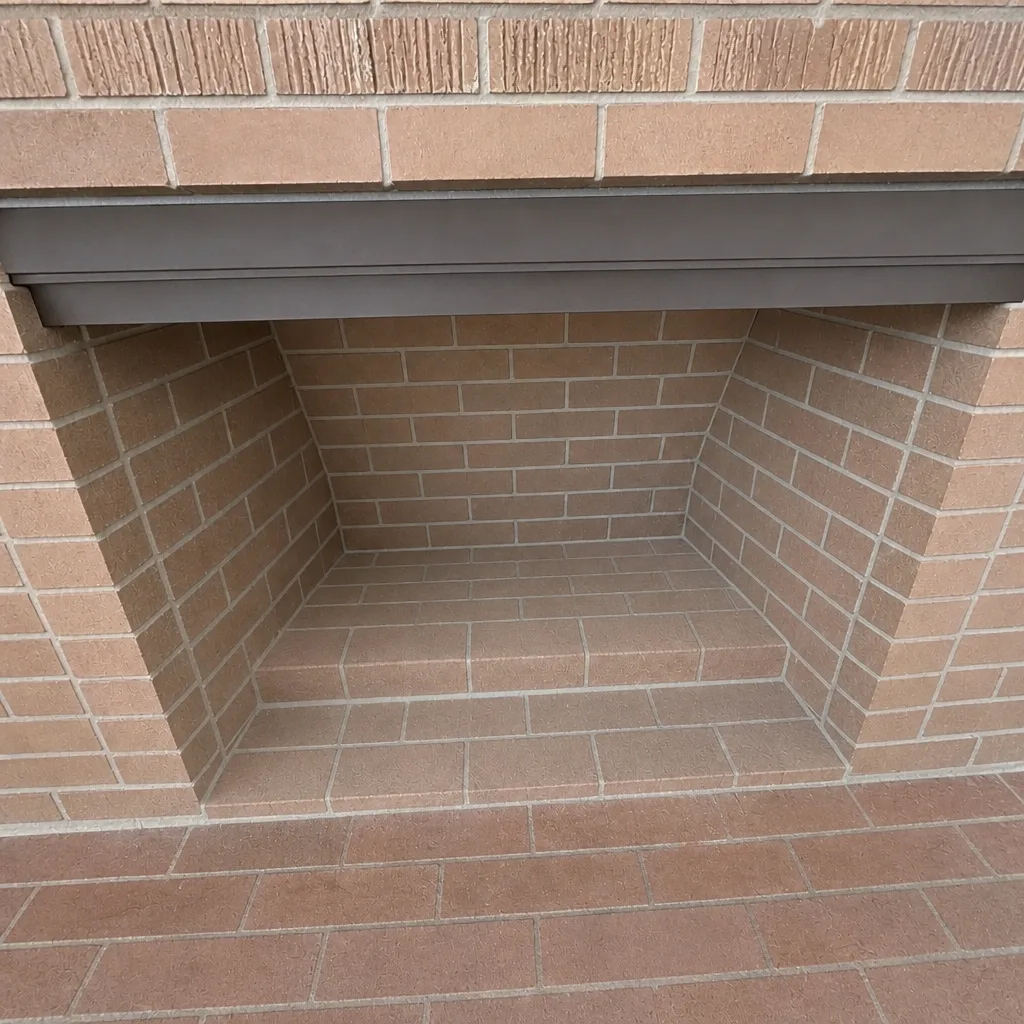
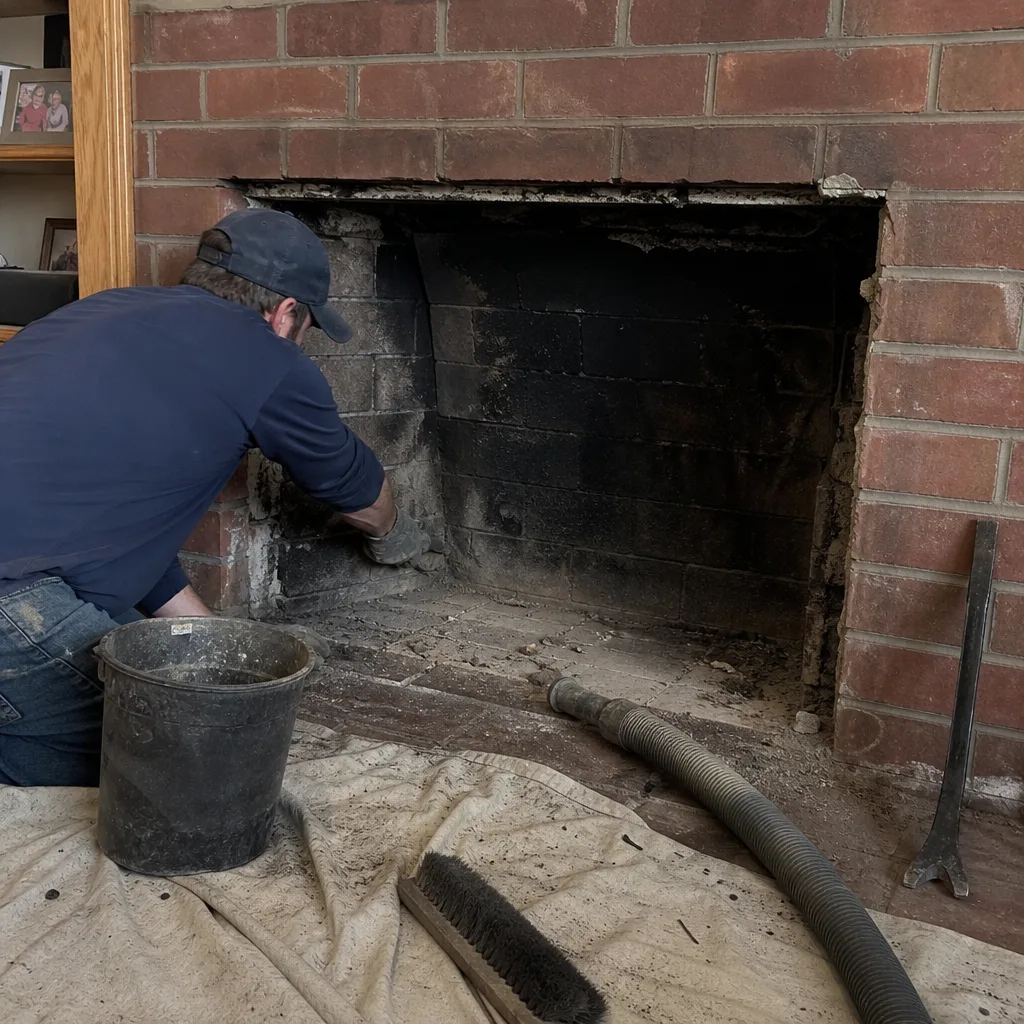
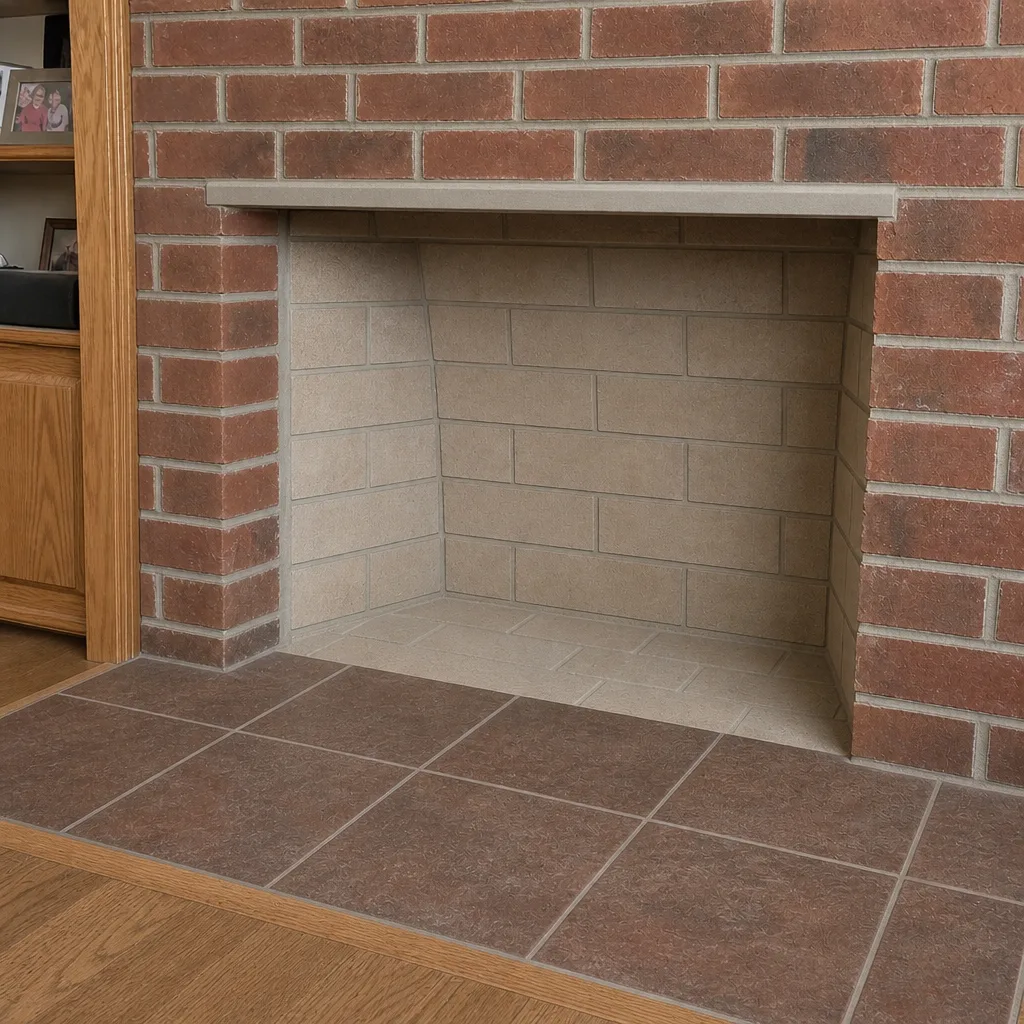
See the difference
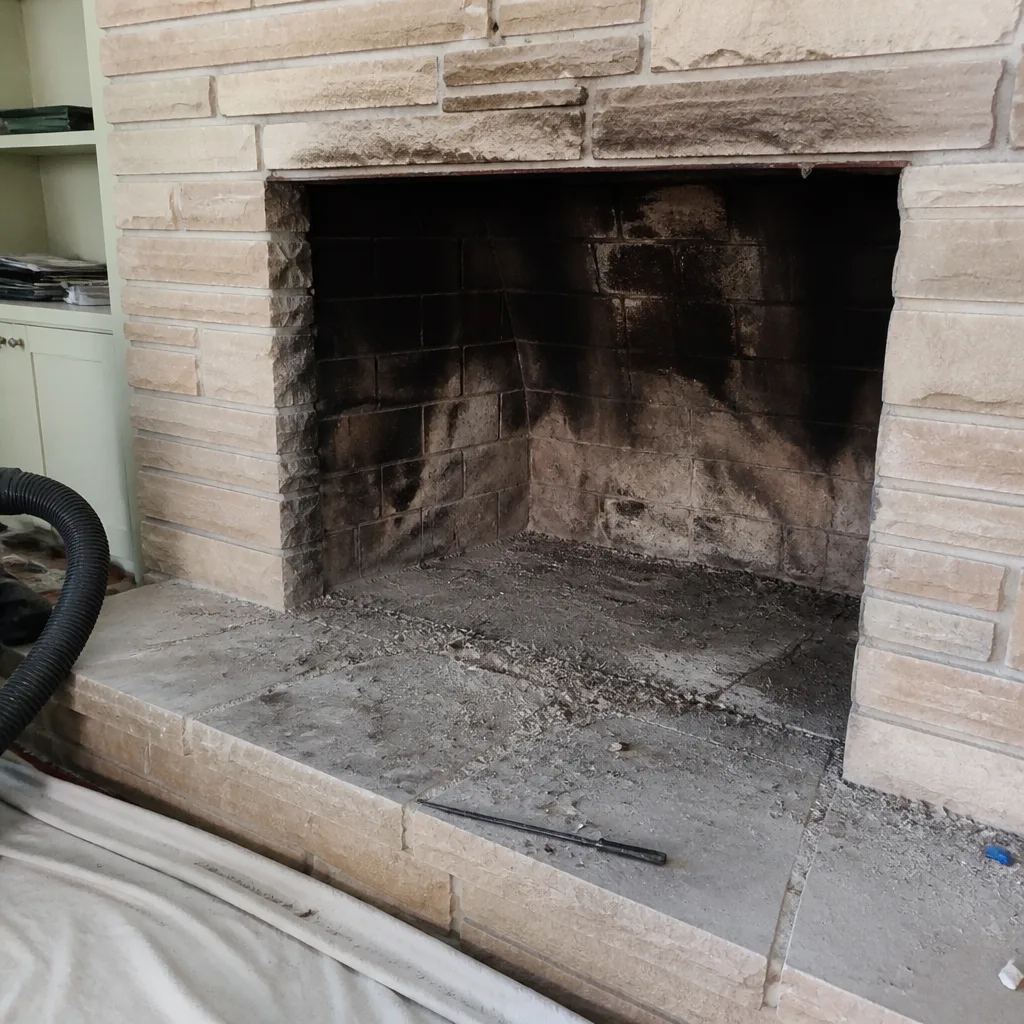 Before
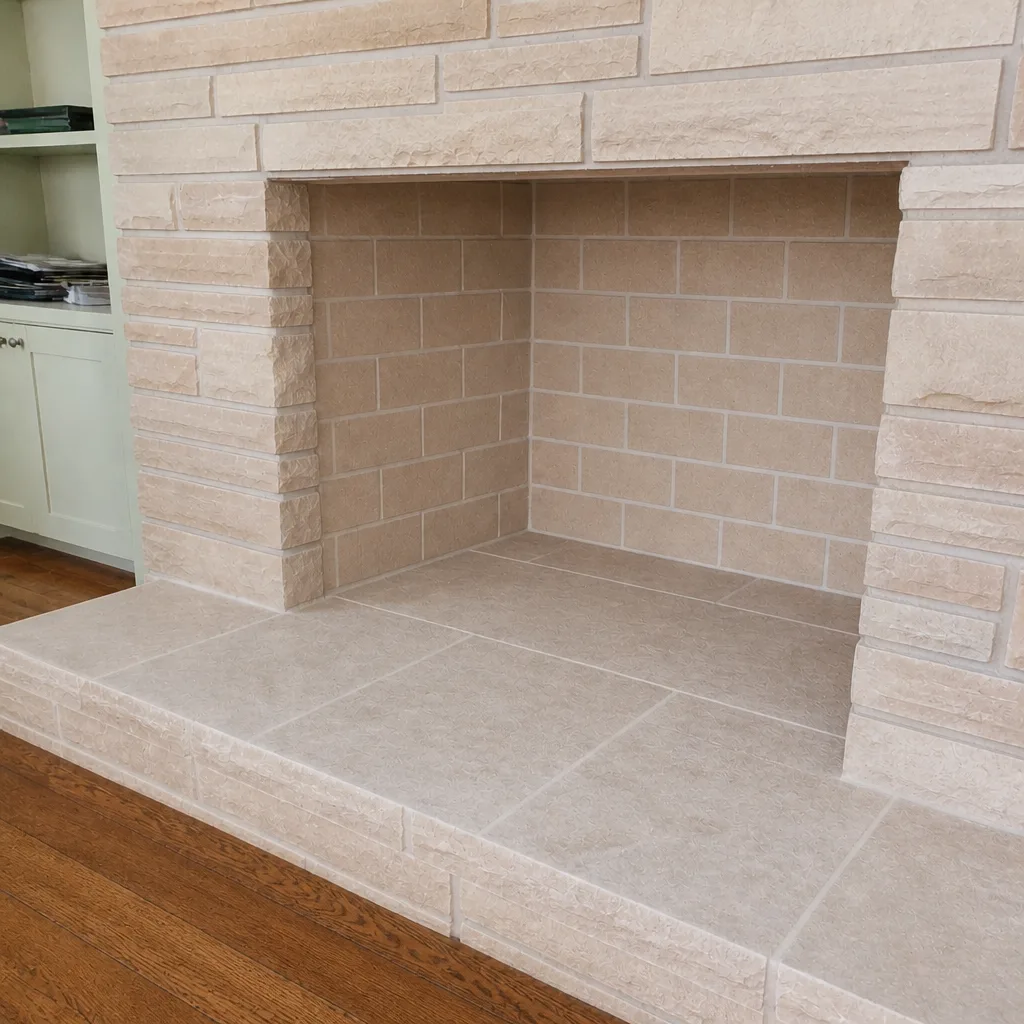 After
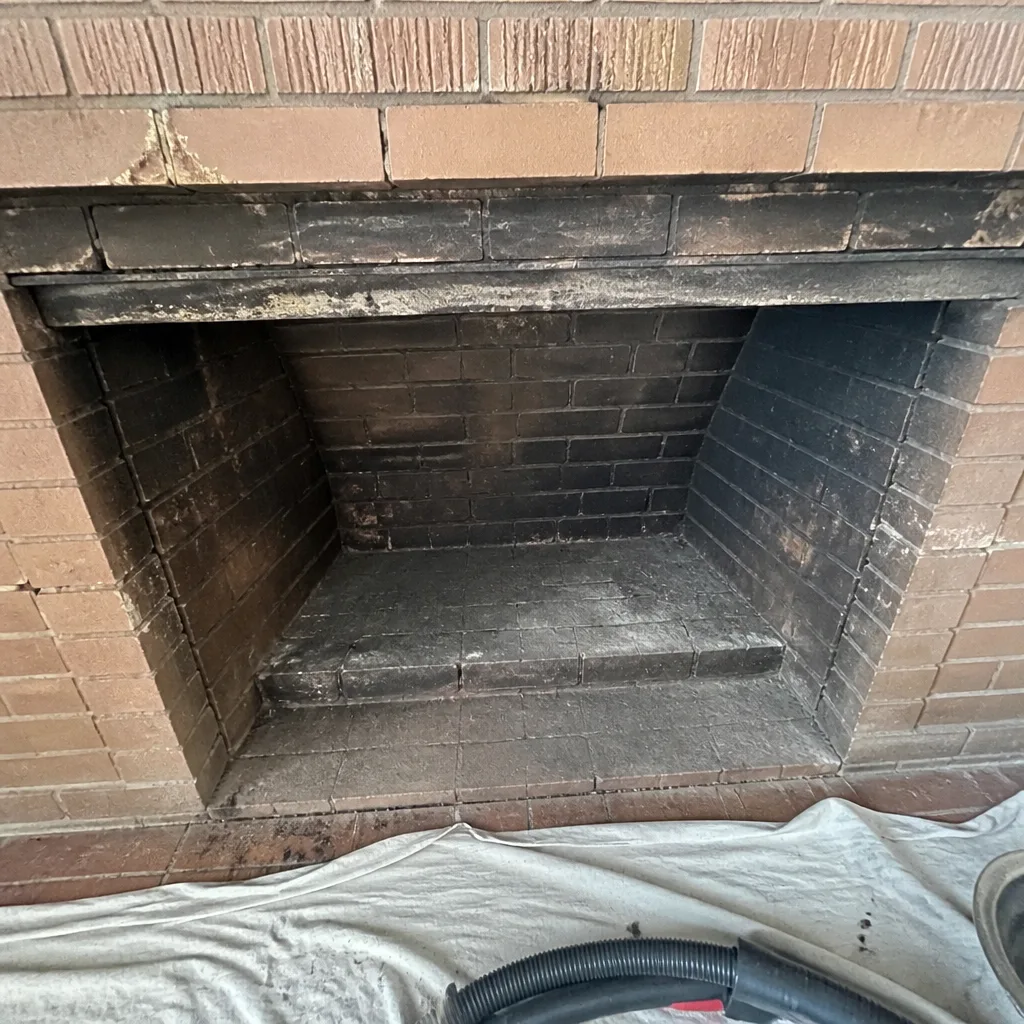 Before
 After
 Before
 After
When to Call a Professional
Call a professional for anything beyond a routine clean-and-inspect: a strong creosote smell in the house, a stain on the ceiling or the exterior masonry, a fireplace that smokes back into the room, an appliance that changed, or a prior chimney fire you were told was minor. Those six situations are the ones a camera should follow, because each points to a possible crack, blockage, or draft failure. A routine annual sweep is also professional work, not a job for a shop vacuum and a guess about the flue. Chimney Sweep Murray offers free estimates in Murray. Call (855) 616-0935. We answer 24/7. Fast dispatch from 7am to 7pm, Sunday through Friday. Safety matters here: the creosote and the clay tile are exactly the parts you can’t safely assess from below, and a trained technician is the right person to look at both.
Frequently Asked Questions
It’s priced per job, and the written estimate sets the final number. A routine standard-flue sweep sits at the low end, while a sweep that includes a Level 2 camera inspection, heavy glaze removal, or a repair quote runs higher. The estimate is free, so there’s no cost to finding out which applies to your chimney. Call (855) 616-0935 for an exact quote.
Not always. If the clay tile has one cracked section but is otherwise sound, HeatShield resurfacing can restore it without a full replacement. If the tile is beyond repair or the flue path is complex, a DuraFlex flexible liner is usually the answer. The decision should rest on the camera photograph of the crack, not on a verbal description. Ask to see the photo before you say yes to a liner.
Once a year is the general rule, and in Murray the best timing is before burning season. The Wasatch inversion pushes heavy wood burning into the coldest stretch of winter, so creosote builds through the season; a fall sweep gets ahead of it. Burn unseasoned wood or run a wood stove heavily, and you’ll want to check the flue more often.
Creosote builds in stages, and the glazed Stage 2 and Stage 3 layers burn hot enough to crack clay tile. A crack opens the flue to the framing and to carbon monoxide reaching the house. You may not see anything until the crack has already happened. Cleaning removes the fuel and the inspection catches the crack. Call (855) 616-0935 to book a sweep and a look before the next burn.
No: a properly matched brush and the right method won’t harm sound tile. What the cleaning can do is reveal damage that was already there, which is why some cracks only seem to appear after a sweep. The sweep didn’t create the problem; it removed the soot that was hiding it. That’s exactly the outcome you want, because a hidden crack is the dangerous kind.
The sweep checks the firebox, damper, flue tiles and their joints, the smoke chamber, the crown, the cap, the appliance connection, and the accessible exterior. A Level 2 adds the camera run and a look at accessible attic and crawl space areas. Every condition should come back in a written report with photographs. We work on the whole system, not just the flue, and fireplace repair is part of the same visit when the firebox needs work.
The Bottom Line
Chimney cleaning in Murray is a two-part job: remove the creosote so the flue is safe to use, and inspect what the creosote was hiding. The clay tile matters more than the soot, the crown matters more than the cap, and the written report with photographs is what makes it all trustworthy. Book before burning season, ask which inspection level you’re getting, and never accept a liner recommendation you can’t see for yourself. If a repair does come up, resurfacing, relining, and crown work can all happen with us. Call (855) 616-0935 for a free estimate.
Written by the team at Chimney Sweep Murray.