
Last updated November 24, 2026
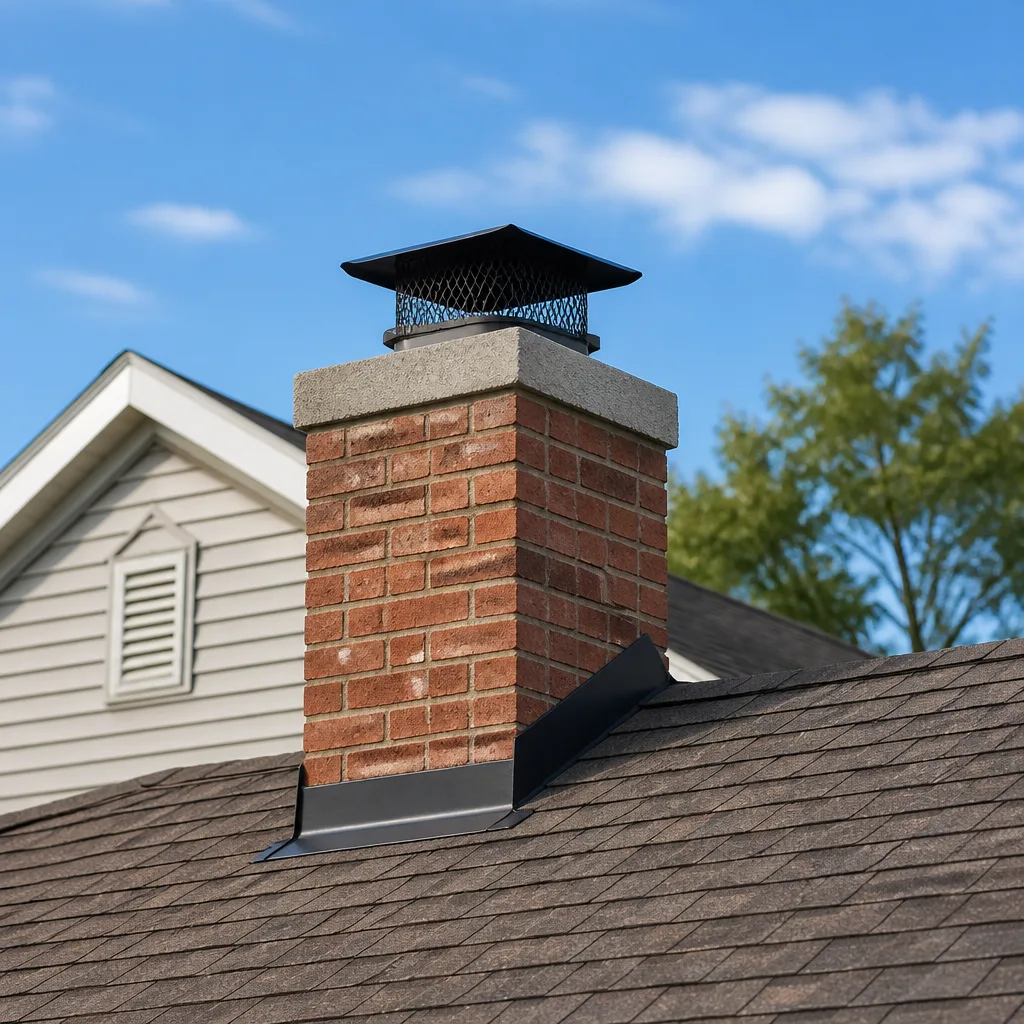 Sweep & inspection
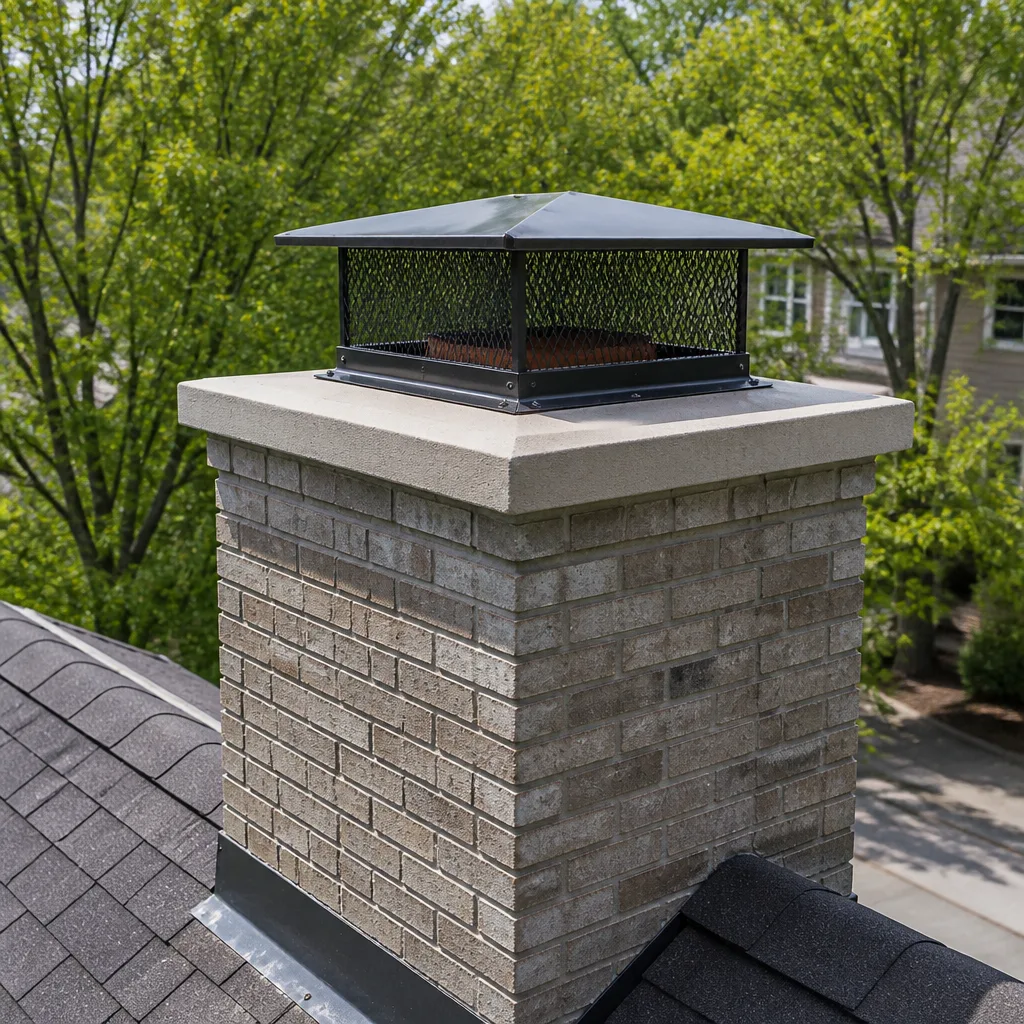 Caps & crowns
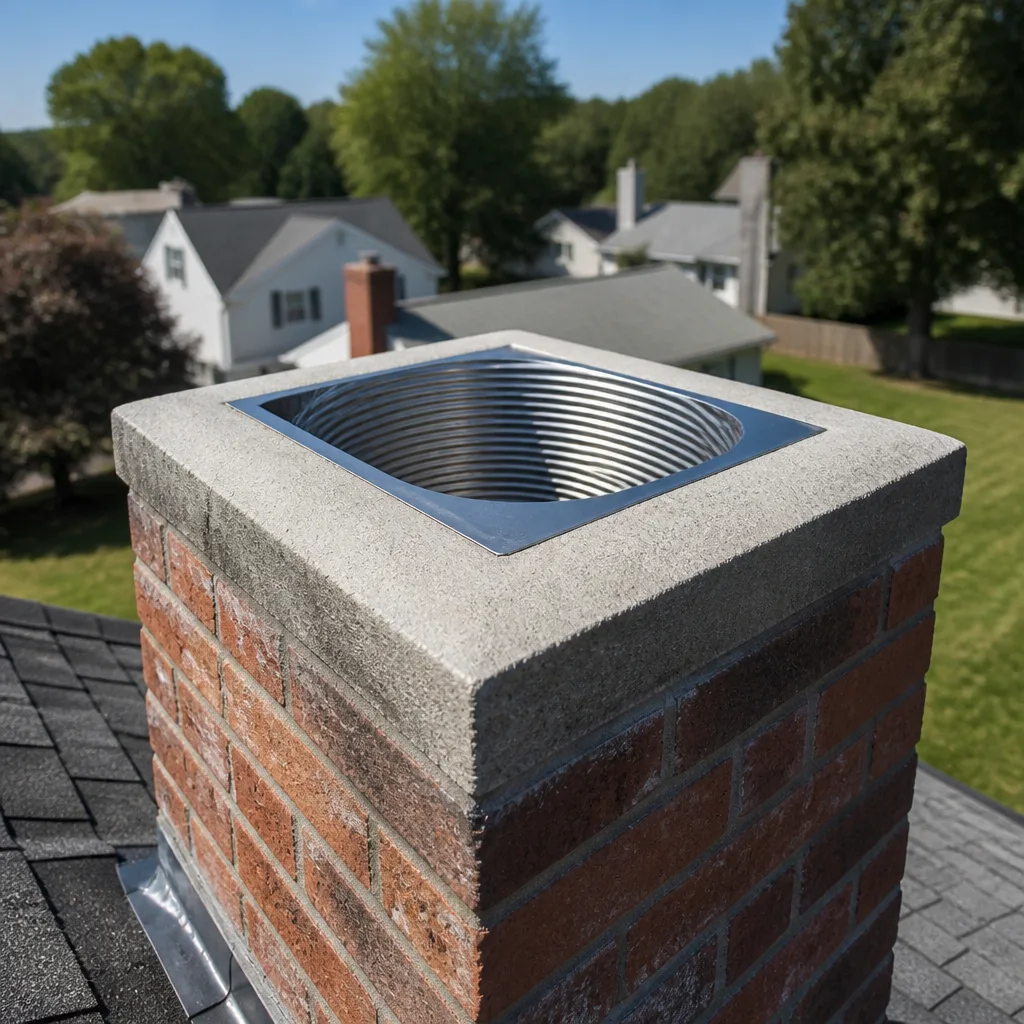 Flue relining
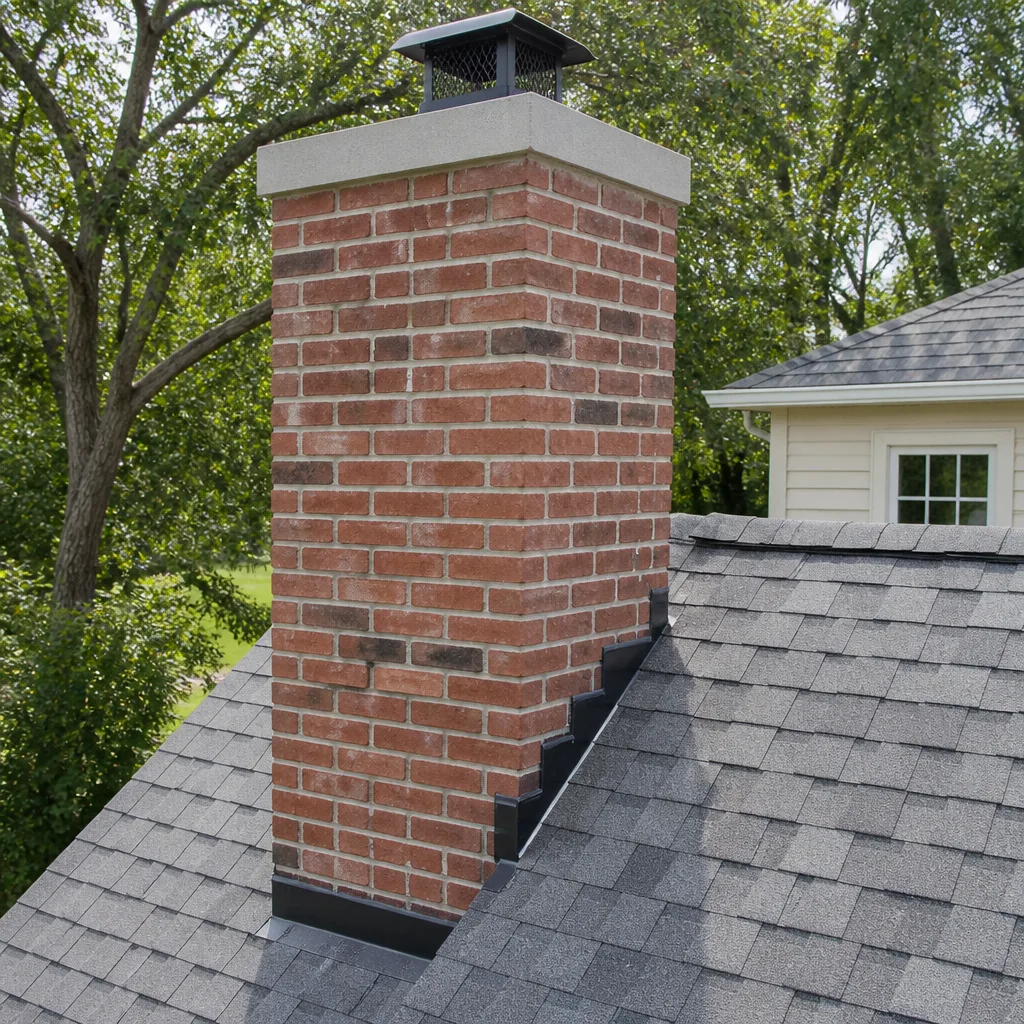 Masonry repair
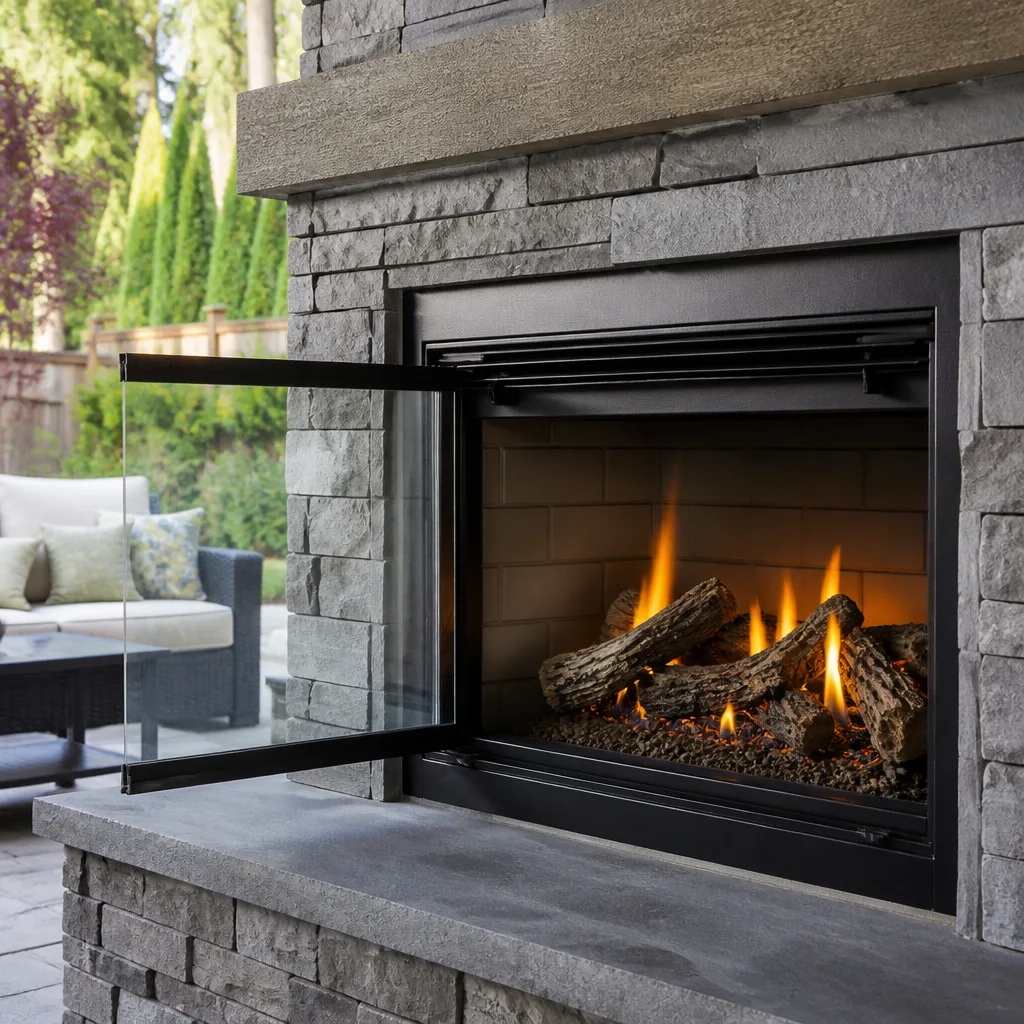 Gas fireplace service
Level 1 sweep and inspection to the NFPA 211 annual standard - flue, crown, cap, and flashing checked and photographed
Chimney sweep logs do not sweep chimneys. They loosen some creosote - which then falls where a brush and vacuum still have to collect it.
Choosing the Right Chimney Cleaning Brand: A Buyer’s Guide for Murray
Two chimney crowns can look identical the week they’re built. One is sealed with a consumer-grade masonry sealer from a big-box aisle; the other gets a flexible, expansion-rated crown coat. After the first Murray freeze-thaw winter, they stop looking alike at all. That gap is what this guide is about. The products behind a chimney job matter as much as the labor, and homeowners rarely get a straight explanation of which one is being used or why. We’re going to walk through the brand categories that actually affect how a chimney holds up in Murray: creosote removers, liner systems, crown and masonry sealants, and waterproofers. You’ll learn what to ask, what a good answer sounds like, and what a vague one tells you.
Quick Answer
The right chimney cleaning brand in Murray is the one matched to the job, not the cheapest name on a shelf. Professional-grade products – the kind supplied by brands like Famco, Copperfield, DuraFlex, and HeatShield – are specified for a reason: they survive Utah freeze-thaw, they’re rated for the fuel type in your home, and they’re supported by technical data rather than a product label. Ask any contractor which product goes on each component, and expect a clear answer.
Styles & brands we work with
- Sweep & inspection
- Caps & crowns
- Flue relining
- Masonry repair
- Gas fireplace service
Table of Contents
- Why the Product Matters as Much as the Labor
- Creosote Removal: Degrees of Buildup and the Products for Each
- Liner Systems: Stainless Steel vs. Cast-in-Place
- Crown and Masonry Sealants in a Freeze-Thaw Climate
- Waterproofing Brick Without Trapping Moisture
- Questions to Ask Before You Book
- What a Bad Answer Sounds Like
- Common Mistakes to Avoid
Why the Product Matters as Much as the Labor
Chimney work is mostly invisible. The sweep brushes the flue, the mason trowels the crown, and a year later the homeowner has no way to know whether the right material went into the job. That’s exactly why the product name matters. A crown built with the wrong sealant can fail within a season of freeze-thaw cycling. A waterproof coating applied to brick that traps vapor will push moisture out through the face of the masonry instead, and that’s where spalling starts. A liner sized for a wood appliance but installed in a gas flue underperforms for a reason no amount of scrubbing fixes.
The companies that do this work well don’t treat materials as an afterthought. They treat them as the specification. A proper chimney sweep is not just a brush and a vacuum; the creosote treatment, the inspection findings, and the recommended repair all depend on knowing which products are rated for the condition found.
Murray sits along the Wasatch Front, where winter swings between warm afternoons and overnight hard freezes. Masonry absorbs water, expands when it freezes, and cracks when it thaws. Over a few seasons that cycle shows up as cracked crowns, spalled brick, and joint failures. Products rated for expansion – flexible elastomeric crown coats, vapor-permeable waterproofers – hold up to that cycle far better than rigid, consumer-grade sealers. That’s the local context behind every brand recommendation in this guide. Clean chimneys prevent fires. Sound chimneys prevent costly rebuilds. The right products do both at once.
Creosote Removal: Degrees of Buildup and the Products for Each
Creosote is the residue left behind when wood smoke cools on the way up the flue. It builds up in three distinct forms, and each one calls for a different product approach. The mistake homeowners make is treating them as the same problem, or assuming a standard sweeping will fix a glazed Stage 3 deposit. It won’t.
Stage 1: Powdery Soot
The lightest form. Powdery, flaky, and easy to remove with standard sweeping. A first-degree creosote remover – typically a powdered chemical that works as the fire burns – can help break down light deposits between sweeps. Professional-grade treatments are used as a maintenance aid, not a substitute for an annual sweep.
Stage 2: Flaky, Crusty Buildup
Harder, more brittle, and often found in the upper flue where temperatures drop. Second-degree remover products are formulated to soften this type of buildup so it can be brushed away cleanly. A sweep without the right treatment can leave a layer intact that continues to build.
Stage 3: Glazed, Hardened Creosote
The dangerous form. Stage 3 creosote has baked onto the flue walls as a hard, glassy layer and won’t come off with a standard brush. Third-degree products are chemical modifiers that break down glazed deposits over time, often paired with mechanical removal and sometimes with a liner evaluation if the flue has been compromised. A sweep-only company typically won’t diagnose this. A chimney specialist will.
Before you book any sweep in Murray, ask how the company handles Stage 3 buildup. The answer tells you whether they’ve seen it, whether they carry the right products, and whether they intend to hand the repair off to someone else. In our experience, this is where a generalist and a chimney specialist part ways. If you’re unsure what stage you’re dealing with, a chimney inspection with camera evidence answers it before any treatment is discussed.
Liner Systems: Stainless Steel vs. Cast-in-Place
The flue liner is the containment layer between the fire and the structure of the house. When it’s cracked, rusted through, or missing, the appliance isn’t safe to run. Choosing the right replacement is where product knowledge makes the difference between a liner that lasts and one that fails early.
Stainless Steel Flexible Liners (DuraFlex)
Stainless flexible liners are the standard for wood-burning and gas appliances. They’re rated by fuel type and by temperature, and they handle complex flue configurations – offsets, transitions, and irregular chimneys – that rigid systems can’t address. We specify DuraFlex flexible liner systems for complex configurations where rigid sections simply won’t thread through. The specification matters: a wood appliance and a gas appliance require different stainless grades and wall thicknesses, and using the wrong one is a safety problem, not just a performance one.
Cast-in-Place Liners (HeatShield)
Cast-in-place liner resurfacing rebuilds the existing flue from the inside using a cementitious compound applied to the interior walls. It’s a strong option for older masonry chimneys where the original flue is intact but has deteriorated joints or minor cracks, and it often avoids the destructive work a full reline would require. HeatShield resurfacing is a capability that most sweep-only companies don’t have. It’s one of the repairs we can complete on-site because it’s part of the full-system work.
Why the Spec Matters
- Fuel type: Wood, gas, and oil produce different combustion gases and require different liner ratings.
- Temperature rating: A liner rated too low risks failure in a chimney fire.
- Flue geometry: Offsets and irregular chimneys favor flexible systems.
- Condition of the original flue: A cracked masonry flue points toward cast-in-place; a fully failed flue usually points toward full relining.
The right answer in Murray depends on what the camera shows, not what’s on the truck. Ask for the liner brand and the rating, and expect a straightforward answer. If the company can’t tell you the product name, they probably haven’t specified it.
Crown and Masonry Sealants in a Freeze-Thaw Climate
The chimney crown is the concrete cap on top that sheds water away from the flue and masonry. It is the single most weather-exposed part of the chimney, and it takes the worst of everything Murray winters throw at it. Two crowns built the same week can perform completely differently after a single freeze-thaw season, and the difference is the coating.
Rigid Sealers vs. Flexible Elastomeric Coatings
Rigid masonry sealers are common and cheap. They seal the crown surface, but they don’t flex with the cycles of expansion and contraction that come with Utah freeze-thaw. Under stress they crack, water enters the hairline cracks, and the cycle repeats deeper into the crown. A flexible elastomeric crown coat is the opposite approach: it’s designed to move with the masonry rather than fight it. It bridges small cracks, tolerates expansion, and stays watertight through the seasonal swings. That’s why we specify products built for expansion rather than consumer sealers off the shelf.
Materials That Matter on Cap and Crown
Caps and crowns are a component where the source matters. We install chimney caps and crowns using Famco and Gelco materials – industry-sourced parts rated for the application rather than hardware-store substitutes. A cap that fits badly, or a crown material that doesn’t flex, defeats the purpose. Both are meant to protect the investment in the chimney below them.
This is the point where routine service turns into structural protection. A sweep is annual maintenance; a crown that survives ten winters is a repair decision made once. Our chimney cap and crown work is where we see the biggest gap between what a homeowner assumed was fine and what the materials actually delivered. If your crown has visible cracks or pooling water, that conversation is worth having now, not after the next freeze.
Waterproofing Brick Without Trapping Moisture
Brick isn’t waterproof, and the wrong sealer makes it worse. Brick is porous and vapor-permeable by design: moisture that enters from inside or behind the wall is meant to escape through the face as vapor. A standard siloxane or film-forming masonry sealer can close those pores and trap moisture inside the wall. When the trapped moisture freezes, it expands and pushes outward. That’s how spalling begins – the face of the brick flakes off in layers.
Vapor-Permeable vs. Standard Sealers
- Vapor-permeable waterproofers (ChimneySaver-type products): repel liquid water from the outside while allowing vapor to escape from inside. This is the correct category for chimney brick.
- Standard masonry sealers: often trap vapor as effectively as they repel liquid water. Fine for some hardscape uses, risky on a chimney that sees freeze-thaw.
- Film-forming coatings: create a surface skin that can blister and peel as the masonry moves beneath. Usually the wrong choice for Murray conditions.
What Waterproofing Should Follow
- Inspect the masonry for existing cracks and spalls first.
- Repair any cracks or failed joints before sealing – a sealer applied over a defect hides the problem.
- Select a vapor-permeable product rated for chimney masonry.
- Apply according to the manufacturer’s coverage rate, not “one coat and gone.”
- Recheck after the first full freeze-thaw season to confirm performance.
Waterproofing is usually the last step of a full repair sequence, not the first. If the crown is failed or the flue is compromised, those come first. And if you’re only being offered a spray-and-go waterproofing with no inspection, the order is wrong. Where capillary action and freeze-thaw are working together, the right sequence is repair, then protect.
Questions to Ask Before You Book
The single best way to know whether a chimney company is using professional-grade products is to ask directly. Not confrontationally – just clearly. Any company that works with these systems daily should be able to name the products without checking. Those that can’t are telling you something.
- “Which product do you use for crown repair, and is it expansion-rated?” A flexible elastomeric crown coat is what you want to hear. “Whatever the supply house has” is not an answer.
- “Which liner brand do you specify, and is it rated for my fuel type?” Expect a specific product name – DuraFlex for flexible stainless, HeatShield for cast-in-place resurfacing – and a fuel rating.
- “What do you do about Stage 3 glazed creosote?” A sweeper who shrugs has likely never dealt with it. A specialist will talk about chemical modifiers and possible liner evaluation.
- “Which waterproofer do you recommend for brick, and does it breathe?” Vapor-permeable products are the answer for chimney masonry. Standard sealers are the wrong tool.
- “Can I see the camera inspection before you recommend repair?” Yes is the only acceptable answer. Photos and video are part of a professional inspection.
- “Do you subcontract structural repair or handle it yourself?” Single-company accountability from diagnosis through repair is the standard you want.
- “Which cap brands do you install?” Industry-sourced brands mean the parts are rated for the application. Hardware-store substitutes are not.
Notice that none of these questions require you to know the chemistry. They just require the company to name what they use. A company that works with professional brands will answer in seconds. That’s the tell.
What a Bad Answer Sounds Like
In our experience, the wrong answers cluster around a few patterns. Recognizing them saves homeowners from a job that looks fine on week one and fails within a season.
- “We’ll use whatever’s on the truck.” A professional doesn’t stock products generically. Creosote removers, liner grades, and crown coatings are job-specific. A generic answer means nothing was specified.
- “Brand doesn’t matter, it’s all the same.” It isn’t. Flexible vs. rigid sealants, vapor-permeable vs. standard waterproofers, and wood-rated vs. gas-rated liners are fundamentally different products. Anyone who says otherwise hasn’t compared them.
- “We’ll just use a standard masonry sealer on the crown.” Standard sealers are not built for freeze-thaw. That’s a repair you’ll be redoing.
- “You need a new liner, trust me.” Without camera evidence you can see, that’s a sales pitch, not a diagnosis.
- “We can waterproof it without an inspection first.” Sealer over a hidden defect is a worse outcome than no sealer at all.
- “We’ll hand the structural work off.” Subcontracting breaks accountability. The company that found the problem should be the one that fixes it.
A non-answer or a dodge is more informative than a wrong one. It tells you the products aren’t the company’s focus. If the job is only a routine sweep, that may not matter much. If the job involves a crown, a liner, or waterproofing, it matters a great deal.
How the Brand Choice Changes the Repair Timeline
Here’s a test that reveals why product choice matters more than most homeowners expect. Picture two identical crowns on two identical Murray houses, one sealed with a rigid consumer-grade sealer and one with a flexible elastomeric coat. Both look the same after the first month. After the first winter, the rigid-sealed crown may show hairline cracking from freeze-thaw expansion; the flexible one is likely still intact. The brand decision was made during construction, but the outcome shows up a season later. This is why the specification matters more than the appearance of the finished job – and why asking which product is used for each component isn’t a fussy question, it’s the difference between a repair that lasts and one that doesn’t.
Common Mistakes to Avoid
- Choosing on price alone. A lower quote is often lower because the products are consumer-grade. Across five or ten years, that usually costs more than the difference in labor.
- Skipping the camera inspection. Nothing should be recommended without photo evidence you can see. If a company jumps to a repair recommendation without showing you what they found, ask to see it, or find a company that shows it by default.
- Waterproofing brick with a standard sealer. Trap vapor inside brick in a freeze-thaw climate and you speed up spalling. Use a vapor-permeable chimney waterproofer, not a general masonry sealer.
- Ignoring Stage 3 creosote. Glazed creosote doesn’t come off with a standard sweep. Ignoring it leaves a fire risk in the flue. Ask how your company handles it.
- Assuming the crown is fine because it looks fine. Crowns fail from the inside out. A surface check in summer tells you very little about what winter freeze-thaw did underneath.
- Booking a sweep-only company for a structural problem. If the flue or masonry has failed, a sweep-only provider will hand it off. That handoff costs time and leaves you managing two contractors instead of one.
- Not asking which product is going on the job. This is the biggest one. The brand question takes seconds and saves seasons of guesswork. If you don’t know to ask, the wrong product can go on quietly.
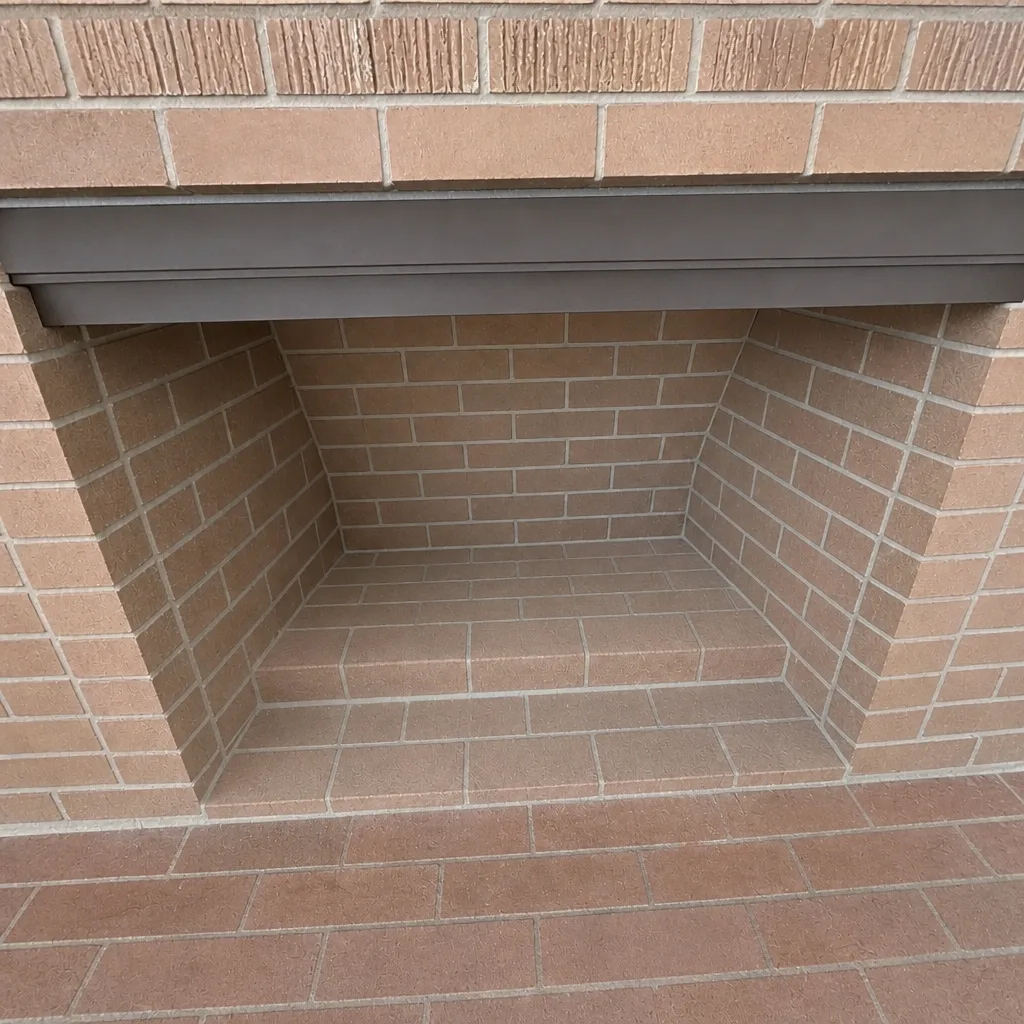
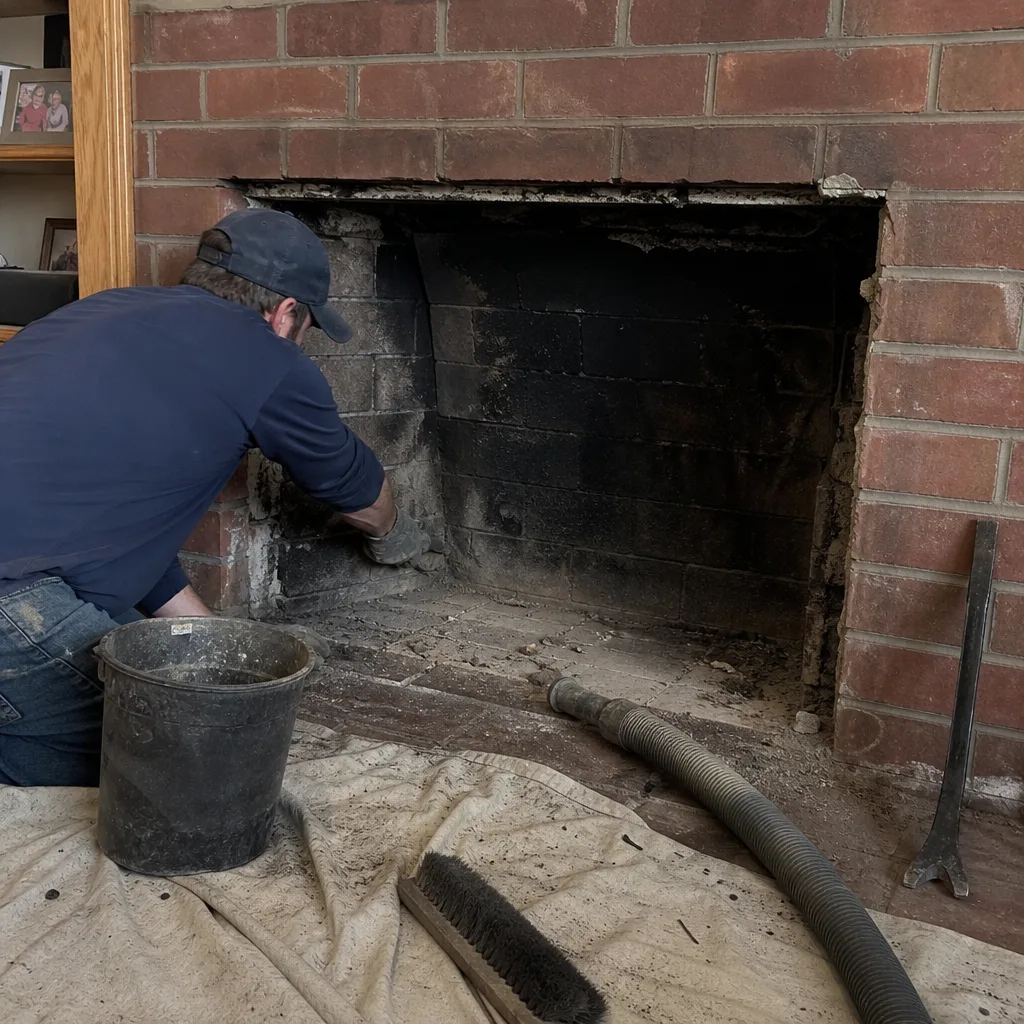
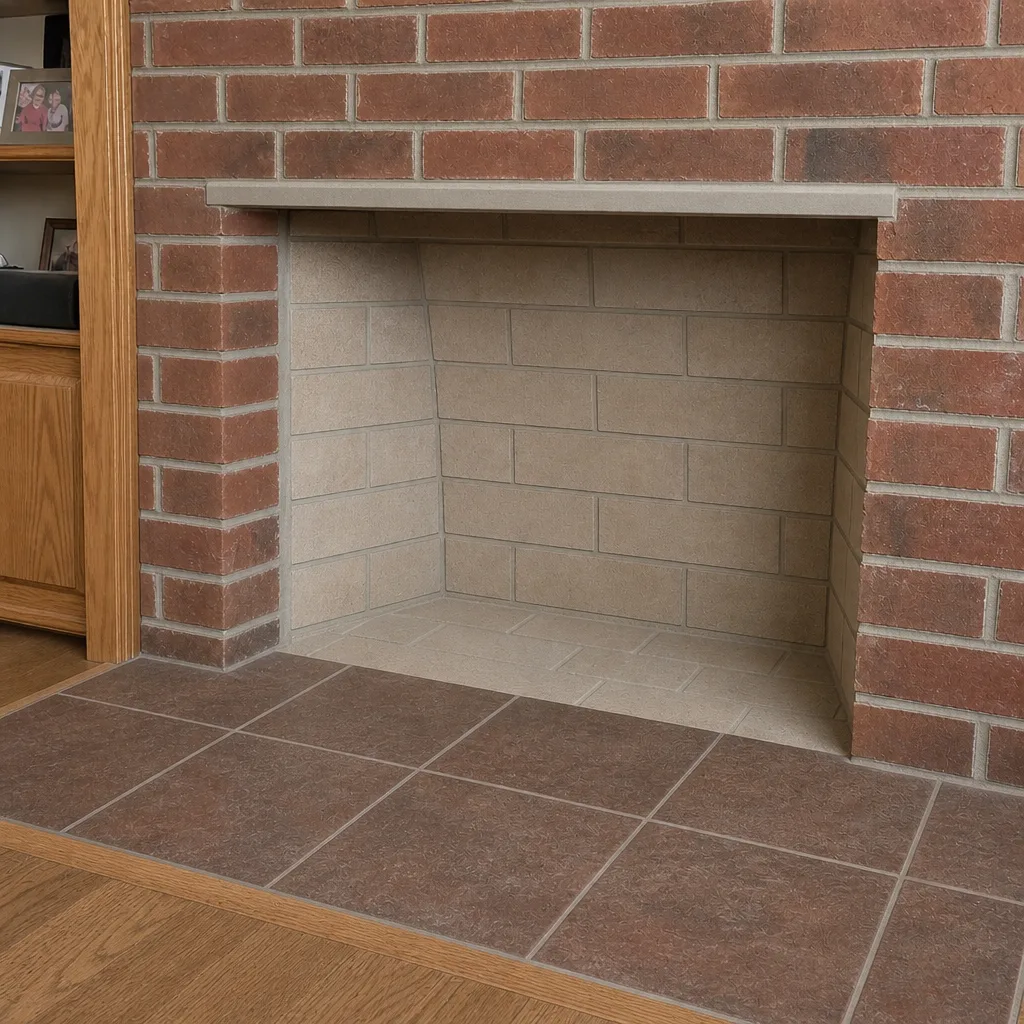
See the difference
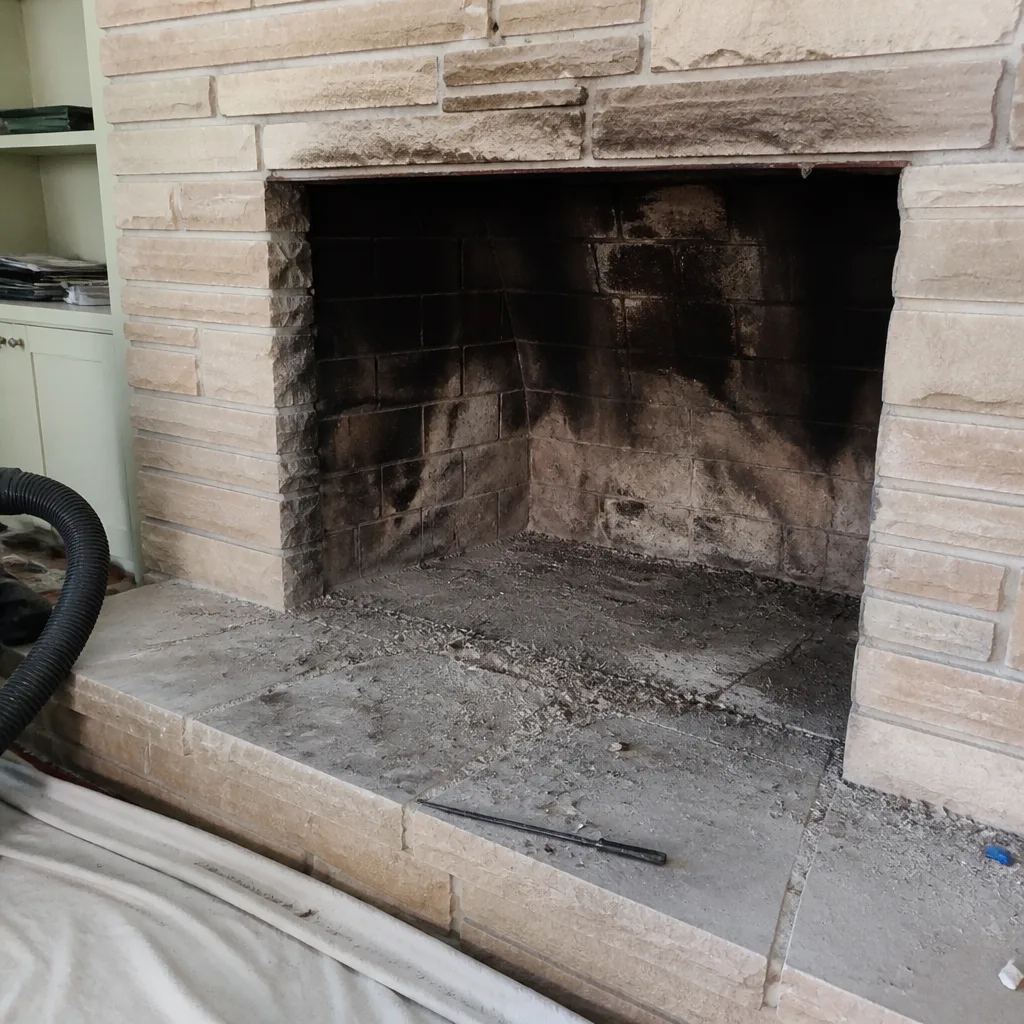 Before
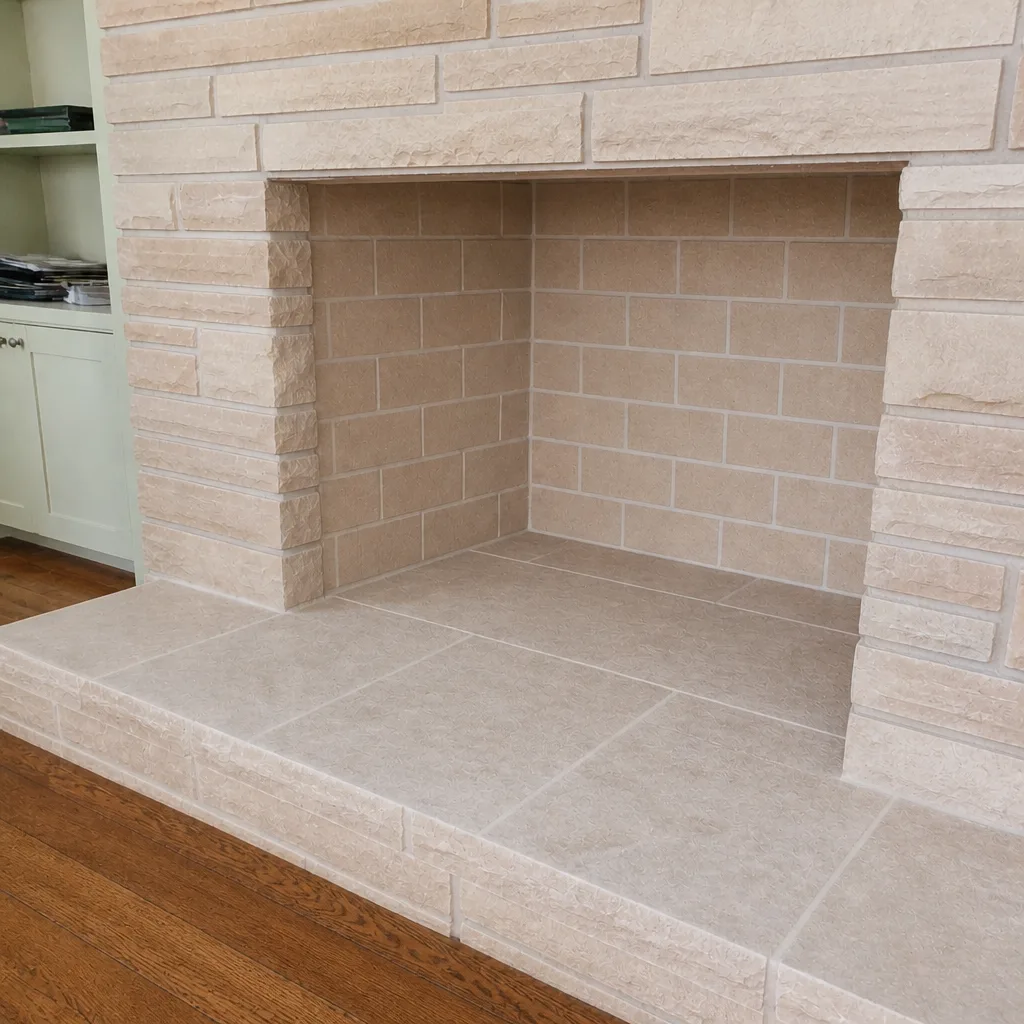 After
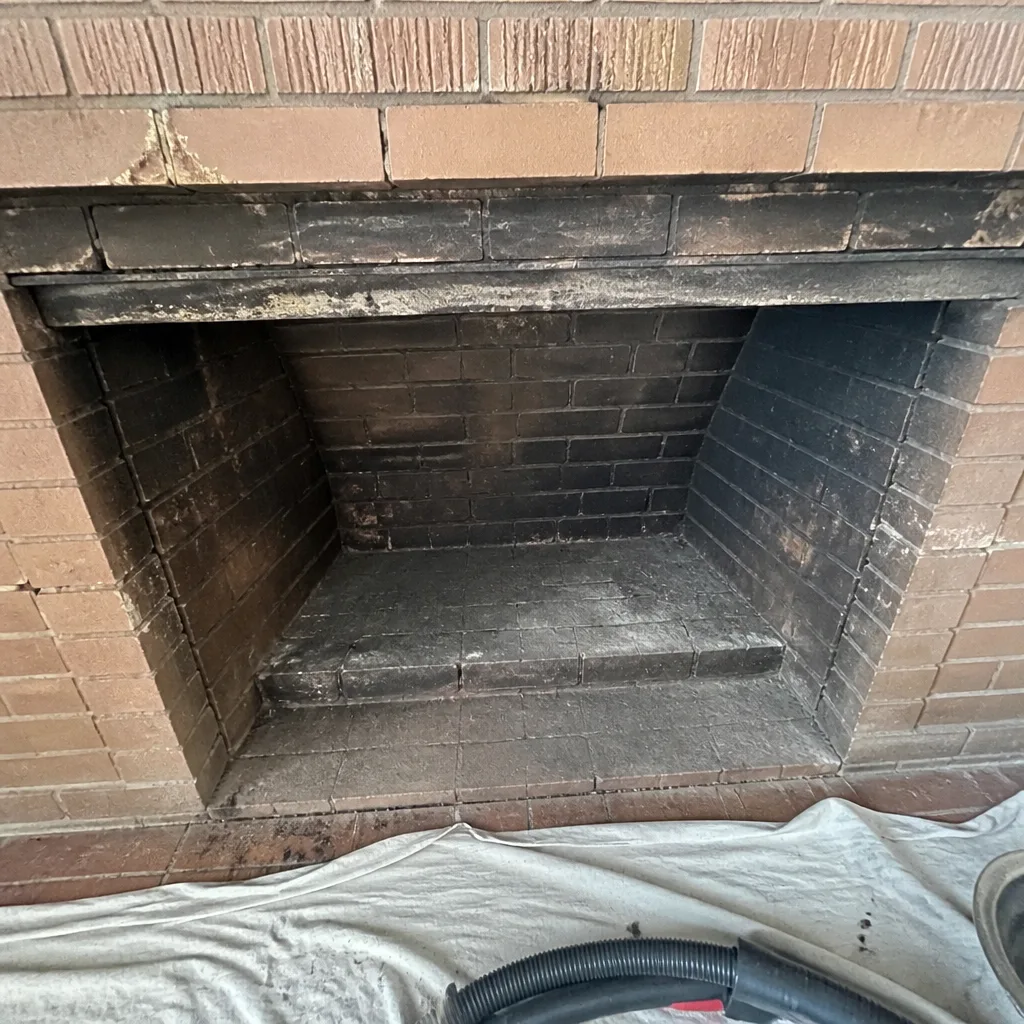 Before
 After
 Before
 After
When to Call a Professional
Some chimney problems are safe to note and monitor. Others call for a trained professional now. Call us when you see cracked or crumbling crown material, spalled brick on the chimney face, or white staining (efflorescence) that returns after rain – all signs water is moving where it shouldn’t. Call if you smell smoke in the house outside of burn times, or if the fire doesn’t draft the way it used to. Call if it’s been more than a year since the last sweep, or if you’ve burned a lot of unseasoned wood. And call if you’re being told you need a liner or structural work but haven’t been shown camera evidence. Chimney Sweep Murray offers free estimates in Murray – call (855) 616-0935. Our technicians have up to 9 years of experience, and we can handle a sweep, a liner repair, and a new crown on the same job if that’s what the camera shows.
Frequently Asked Questions
The best brands are the professional-grade products specified for each job, not one universal name. For flexible stainless liners, DuraFlex; for cast-in-place liner resurfacing, HeatShield; for chimney caps and crowns, Famco and Gelco materials; for creosote treatment, industry-formulated removers matched to the degree of buildup. Ask your contractor to name the product for each component, and expect a specific answer.
Neither is universally better; the right choice depends on the chimney’s condition and the appliance. A stainless flexible liner (like DuraFlex) is usually the answer when the existing flue is fully failed or the chimney has offsets a rigid liner can’t navigate. Cast-in-place resurfacing (like HeatShield) is often a good fit when the original flue is intact but has cracked joints or minor deterioration. Camera inspection decides which applies. Call (855) 616-0935 for an estimate.
Because Murray’s freeze-thaw winters punish the wrong product. Vapor-permeable waterproofers (ChimneySaver-type products) repel liquid water while letting interior vapor escape. Standard masonry sealers trap that vapor inside, and when it freezes it expands and accelerates spalling. The brand category matters more than the label: ask whether the product is vapor-permeable before it goes on.
No. Glazed creosote is hardened onto the flue wall and won’t come off with a standard brush. It requires chemical modifiers formulated for third-degree buildup, mechanical removal, and sometimes a liner evaluation if the flue has been compromised. If your sweep doesn’t mention it, ask. It’s a fire-safety issue, not a cosmetic one. Call for an inspection – estimates are free.
Ask which product they will use for each component of the job, and expect specific brand names. A company that works with professional systems will answer immediately; a company that has to “check with the office” or says “whatever we have” probably hasn’t specified anything. The follow-up question is whether you’ll see camera evidence before repair is recommended. Both answers should be easy.
Not necessarily. A chimney can sweep clean and still have a liner problem, which is why the inspection matters more than the sweep alone. A camera inspection tells you whether the liner is intact, cracked, or missing, and whether a repair like cast-in-place resurfacing is an option. If nothing is wrong, we say so. Nothing gets recommended without evidence you can see. Call (855) 616-0935 for a free estimate.
The Bottom Line
The chimney cleaning brand matters as much as the labor because the products are what actually hold up over time. In Murray’s freeze-thaw climate, flexible elastomeric crown coats, vapor-permeable waterproofers, and fuel-rated liner systems perform differently from hardware-store substitutes, and the gap shows up after the first hard winter. Ask which product goes on each component of the job. Expect a name. Expect camera evidence before any repair is recommended. Expect a company that handles the entire system – sweep, inspection, cap and crown, fireplace and chimney repair – so nothing gets handed off. That’s how a chimney holds up for seasons, not just a season.
If you’ve read this far, you’re probably trying to figure out what your chimney actually needs. We can do that in one visit. A chimney repair or a fireplace repair can both start with the same inspection. Call (855) 616-0935 for a free estimate. We answer 24/7. Fast dispatch from 7am to 7pm, Sunday through Friday.
Written by the team at Chimney Sweep Murray.