
Last updated November 24, 2026
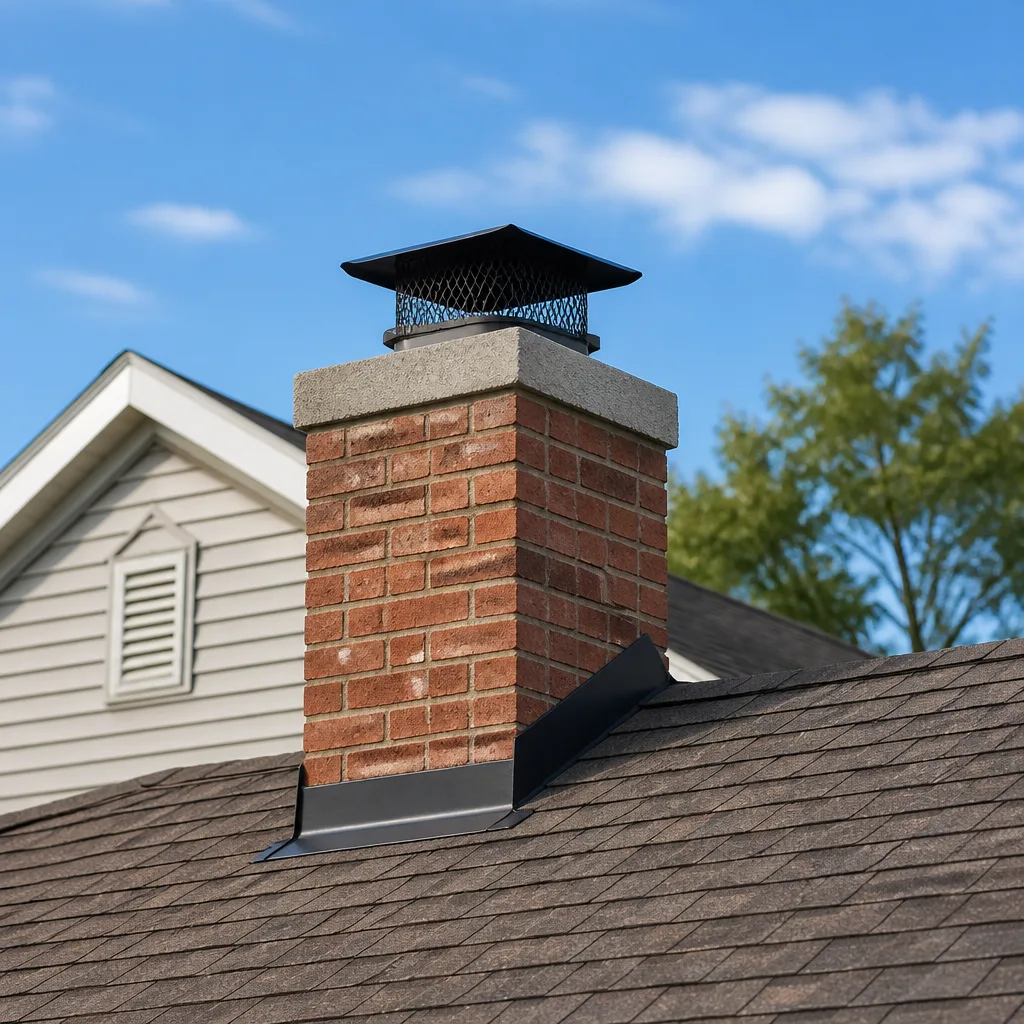 Sweep & inspection
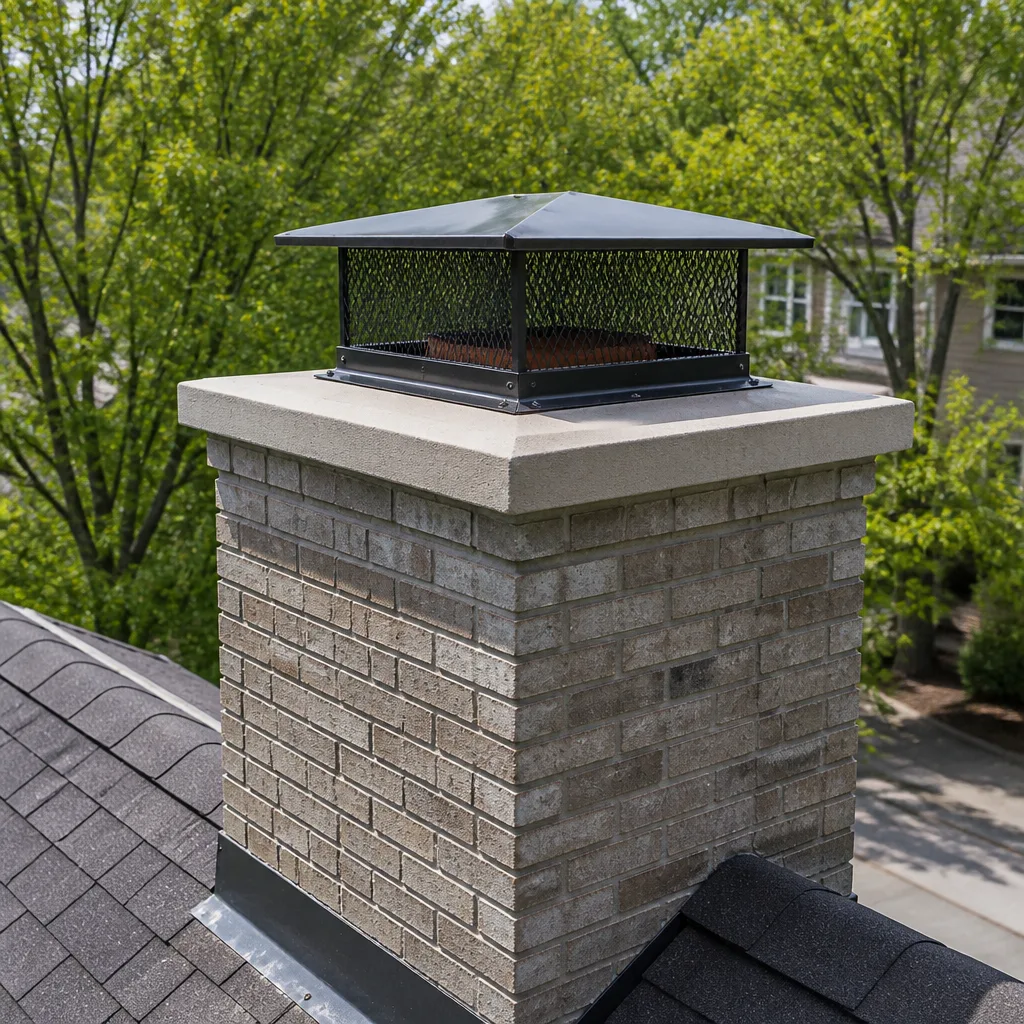 Caps & crowns
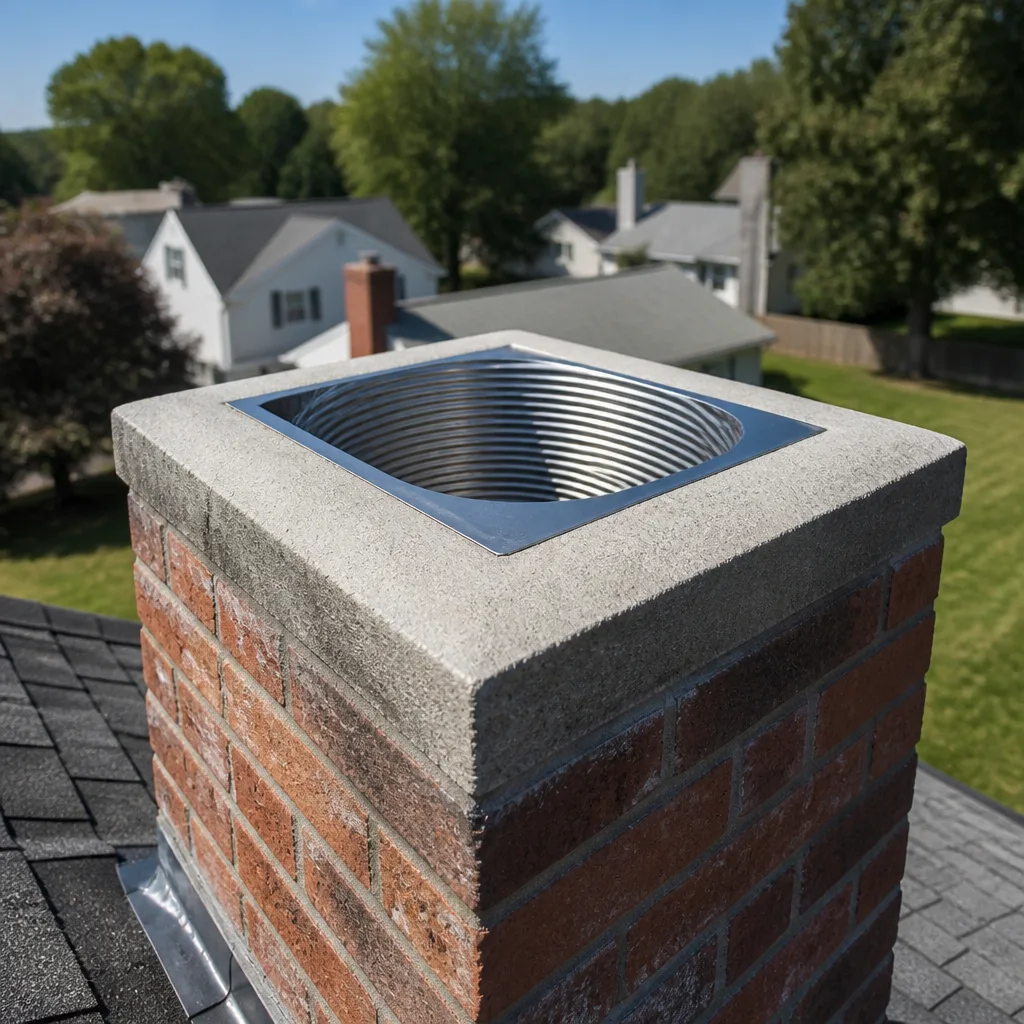 Flue relining
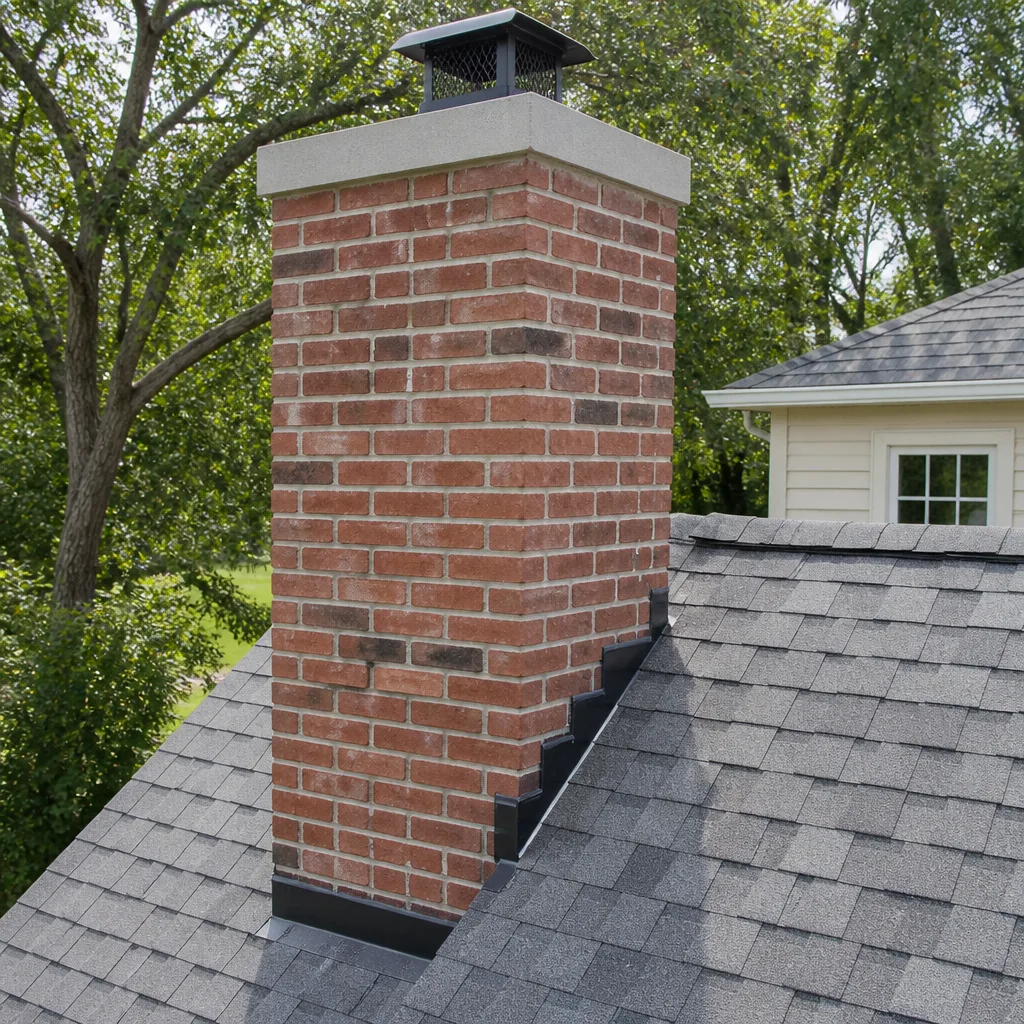 Masonry repair
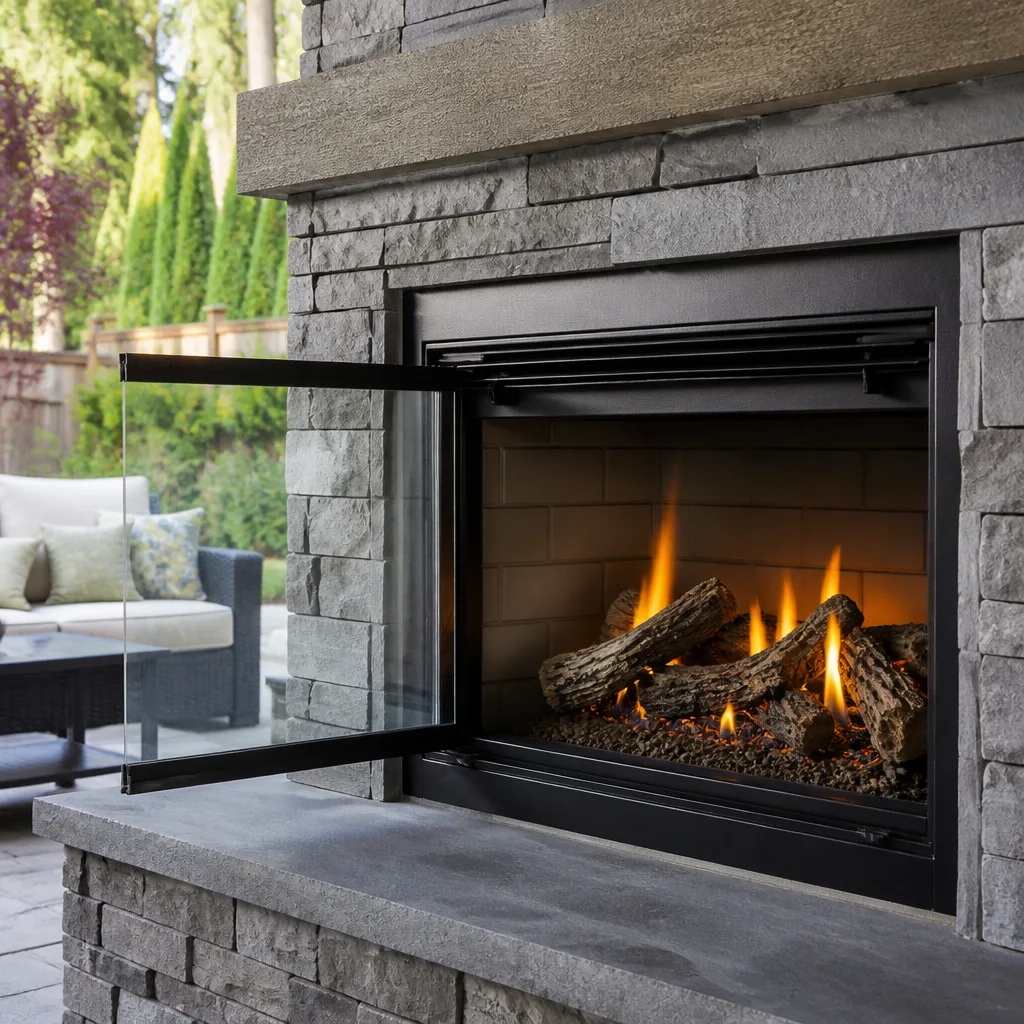 Gas fireplace service
Level 1 sweep and inspection to the NFPA 211 annual standard - flue, crown, cap, and flashing checked and photographed
Chimney sweep logs do not sweep chimneys. They loosen some creosote - which then falls where a brush and vacuum still have to collect it.
Chimney Cleaning Cost Breakdown: The Murray Homeowner’s Reference for 2026
The cheapest chimney sweep quote you get in Murray often leaves out the written inspection report. That matters more than the dollar figure on the invoice. If you pay for a cleaning and walk away with no documentation of your liner’s condition, you’ve spent money and gained nothing you can hand to an insurance adjuster or a buyer’s inspector down the road. Cost per sweep is the wrong number to compare. Cost per documented inspection, with written findings you can actually read and keep, is the one that protects you.
This guide breaks down what each service tier really includes, what add-on work typically runs in the Murray market in 2026, and how to tell a fair quote from one padded with upsells. We work on the whole system, not just the flue, and we’d rather you understand the pricing before you book than be surprised by it after.
Quick Answer
A standard chimney sweep in Murray typically costs $150 to $280 in 2026, and that range should include a Level 1 visual inspection with a written report. A more involved cleaning with a camera inspection usually runs $250 to $450. Structural work like crown coating, mortar repointing, or a stainless steel liner is priced separately and can range from a few hundred dollars to several thousand depending on scope. The written estimate always sets the final price.
Styles & brands we work with
- Sweep & inspection
- Caps & crowns
- Flue relining
- Masonry repair
- Gas fireplace service
Table of Contents
- What a Standard Sweep Covers and What Costs Extra
- Why Cost Per Sweep Is the Wrong Metric
- Repair Cost Benchmarks: Crown, Mortar, Damper, and Liner
- What Drives Your Total Annual Chimney Cost
- How Murray’s Climate and Housing Shape Chimney Costs
- Red Flags in a Chimney Quote
- How to Evaluate a Quote Step by Step
- When to Call a Professional
What a Standard Sweep Covers and What Costs Extra
Most homeowners assume “chimney sweep” means the same thing everywhere. It doesn’t. One company’s base price includes a visual inspection and a written report; another’s includes neither and charges separately for both. Before you compare numbers, compare scope.
Here’s the itemized breakdown of what you should expect to see on a quote in the Murray market for 2026:
- Standard sweep (flue cleaning): $150 to $280. Covers removal of creosote and soot from the flue with proper drop cloths and a HEPA vacuum to keep the house clean.
- Level 1 visual inspection: usually included in a reputable sweep, but ask. If it’s a separate line, expect $75 to $150.
- Written inspection report: should be included with the inspection. If a company charges for documentation, that’s a signal.
- Camera inspection (Level 2): $150 to $300 as an add-on. Necessary when you’re buying a home, after a chimney fire, or when the visual inspection turns up something suspicious.
- Smoke chamber cleaning: $100 to $200 add-on. The smoke chamber sits above the damper and collects creosote that a standard flue sweep won’t reach.
- Ash pit cleanout: $60 to $120. Only needed on chimneys that have an ash pit door.
A cleaning with the works – sweep, Level 1 inspection with written report, and a camera run – typically lands in the $250 to $450 range. That’s the number worth comparing between companies, because it’s the one where nobody’s hiding anything.
Why Cost Per Sweep Is the Wrong Metric
Here’s the trap. A $99 sweep with no report looks like a bargain next to a $250 sweep with a full inspection and written findings. It isn’t. You paid $99 for a cleaning you can’t document, and when your insurer asks for proof of maintenance after a claim, or a buyer’s inspector flags the flue during a sale, you have nothing to show.
Picture two homeowners in Murray. Both spend money on their chimneys every year. One has a folder of written reports showing the liner was sound and the sweep was performed each season. The other has a stack of receipts that say “chimney cleaned.” When the second homeowner sells, the buyer’s inspector recommends a Level 2 camera inspection. That inspection finds a cracked liner tile, and the sale stalls while the repair gets negotiated. The first homeowner had documentation that answered the question before it was asked.
So the number to compare isn’t cost per sweep. It’s cost per documented inspection with written findings. That figure tells you what you’re actually getting for your money. Anything that doesn’t produce paperwork you can keep is a service you can’t prove happened.
Repair Cost Benchmarks: Crown, Mortar, Damper, and Liner
Repair quotes are where Murray homeowners get the most sticker shock, and where the biggest price swings between companies show up. Here’s what the work actually involves in 2026, with material and labor separated so you can see where the money goes.
Crown Coat Application
The crown is the concrete cap on top of the chimney that sheds water away from the masonry. When it cracks, water gets in and freeze-thaw cycles in Murray’s winters make it worse. A crown coat is a resurfacing application, not a full rebuild.
- Material: $150 to $300 for a quality crown coating product
- Labor: $300 to $600
- Total: typically $450 to $900
Mortar Joint Repointing
Repointing means grinding out deteriorated mortar and packing in fresh material. It’s hand work and it’s slow, which is why labor dominates the cost.
- Material: $50 to $150 (mortar and sealant)
- Labor: $400 to $1,200 depending on how much joint area needs attention
- Total: typically $600 to $1,400 for a typical repointing job
Damper Replacement
A warped or rusted damper wastes heat and lets cold air down the flue. Replacement is usually straightforward.
- Material: $150 to $400 for a top-sealing or throat damper
- Labor: $150 to $300
- Total: typically $300 to $700
Stainless Steel Liner Installation
A liner is the biggest line item most homeowners face, and the one where material choice matters most. We use DuraFlex flexible liner systems, which handle offset and complex flue configurations that rigid systems can’t follow.
- Material: $800 to $2,000 for the liner and components
- Labor: $800 to $1,800 depending on flue length and complexity
- Total: typically $1,600 to $3,800
There’s a middle path worth knowing about. HeatShield liner resurfacing repairs a damaged clay liner from the inside without full replacement, and it’s a specialized process most sweep-only companies can’t perform. For some liners, resurfacing is the right call and saves real money over replacement. Only a camera inspection can tell you which one you need.
What Drives Your Total Annual Chimney Cost
Two Murray homes with identical chimneys can pay very different amounts each year. The difference comes down to how hard the appliance works and what it burns.
Frequency of Use
A fireplace used a few times a month through winter needs a sweep about once a year. A wood stove used as primary heat through a Utah winter builds creosote far faster and may need cleaning twice a season. Every extra cleaning adds $150 to $280 to the annual total.
Wood Type: Softwood vs. Hardwood
Softwoods like pine burn hot and fast but produce more creosote when they don’t combust fully. Hardwoods like oak and maple burn longer and cleaner when properly seasoned. The fuel choice affects how much creosote builds up and therefore how often you need to pay for a sweep. Seasoned wood, split and dried, cuts creosote more than any additive you can buy.
Appliance Type
A gas fireplace produces very little creosote, but it still needs an annual inspection for venting and debris. A wood-burning insert concentrates heat and produces more flue deposits than an open fireplace. An older masonry chimney with unlined flue tiles needs closer attention because the liner condition matters more.
How Often You Should Actually Sweep
Here’s a practical framework we give Murray homeowners:
- Occasional use (a few fires a month): sweep once a year, ideally before the heating season starts.
- Regular winter use (a few fires a week): sweep once a year and get a camera inspection every two to three years.
- Primary heat source (wood stove running most of winter): sweep twice a season and inspect annually.
- After any chimney fire: Level 2 camera inspection before using it again, regardless of how recently it was swept.
How Murray’s Climate and Housing Shape Chimney Costs
Murray sits in the Salt Lake Valley, and the local climate affects chimney work in ways that pricing guides from other parts of the country don’t capture.
Freeze-thaw cycles are the big one. Winters swing above and below freezing repeatedly, which is hard on masonry. Water gets into hairline cracks in the crown or mortar, freezes, expands, and widens the crack. Left alone over several seasons, that’s how a small crown repair turns into masonry rebuild territory. Crown coating is one of the cheapest preventive services we offer, and in Murray’s climate it pays for itself.
Winter inversions matter too. When the valley traps cold air and particulates, burning wood adds to the problem, and a lot of Murray homeowners shift to burning only on cleaner days. That pattern of intermittent use means creosote builds up differently than in a home that burns continuously. It also means the smoke chamber and damper get less attention than the flue itself, and that’s exactly where deposits hide.
Housing stock matters as well. Many homes in Murray have masonry fireplaces built decades ago with clay tile liners. Those liners are serviceable but they crack, and once water gets behind a tile, the damage spreads. We’ve seen plenty of Murray chimneys where the liner looked fine from the firebox and told a different story on camera. That’s why we put a camera in rather than guess.
The other thing worth knowing: Murray’s air quality rules affect what you can burn and when, so a gas appliance or a wood stove with a properly sized liner is often the practical choice. A correctly sized stainless liner matters for appliance performance too – an oversized flue draws poorly, and an undersized one chokes the fire. When we install a DuraFlex system, we’re matching the liner to the appliance, not just filling the hole.
Red Flags in a Chimney Quote
The chimney trade has its share of companies that rely on homeowners not knowing what a fair scope looks like. Here’s what to watch for.
Vague Line Items
If the quote says “chimney work: $600,” ask for a breakdown. A fair quote names the work: sweep, Level 1 inspection with written report, camera inspection, crown coat. If a company can’t or won’t itemize, that’s a sign they’re pricing a package rather than a scope.
No Written Scope
Get the scope in writing before any work begins. A verbal agreement and a handshake are not a scope. If the company won’t put it in writing, walk away.
“Inspection Included Only If You Book Repairs”
This is one of the most common tricks in the trade. The inspection is offered as a freebie, but only if you commit to the repair work the inspection “finds.” It turns the inspection into a sales tool rather than an honest assessment. An inspection should stand on its own, and the written report should be yours to keep whether or not you hire anyone for the repair.
Pressure to Decide Same-Day
No legitimate chimney repair is an emergency that requires a signature before the day is out, with one exception: an active chimney fire hazard. Even then, you should have time to read the report and think. If a technician is pushing you to sign today, that’s a sales tactic, not a safety concern.
“Your Liner Is Shot, You Need a Full Replacement”
Sometimes that’s true. But full liner replacement is the most expensive service in the trade, and it should never be recommended without camera evidence you can watch on screen. With HeatShield resurfacing available, a lot of liners that would once have been replaced can be repaired instead. A company that skips straight to replacement without offering the alternative isn’t doing you a favor.
No Brand Disclosure
Ask what materials they’ll use. Quality chimney work uses industry-branded materials – DuraFlex liners, HeatShield resurfacing compounds, Famco and Gelco caps and crown products, Copperfield components – not the cheapest hardware-store substitutes. If a company can’t name the brand going into your chimney, ask why not.
How to Evaluate a Quote Step by Step
Here’s the process we’d recommend to any Murray homeowner comparing estimates, including ours:
- Ask for the scope in writing. Every service should be itemized on paper before anyone starts work.
- Confirm what the sweep includes. Find out whether the Level 1 inspection and written report are included or charged separately.
- Ask whether the report is yours to keep. It should be. No strings.
- Ask about camera inspection as a separate line. It shouldn’t be bundled into the sweep price as an upsell; it should be available if the visual inspection suggests there’s a reason.
- Ask what brand of liner and materials they use. If they can’t tell you, ask again.
- Check whether the repair quote separates material from labor. A fair quote will. It also gives you a sense of what the margin looks like.
- Ask what happens if the inspection turns up nothing. A good company will tell you plainly that the chimney is fine and nothing further is needed.
- Confirm the estimate is free and the price is set per job in writing. If the number changes mid-job, it should be because the scope changed and you approved it.
The point of this process isn’t to make contractors uncomfortable. It’s to get the same information from every company so the numbers actually compare. Once you have itemized scopes side by side, the right choice usually becomes obvious.
Common Mistakes to Avoid
- Comparing bottom-line prices only. A $99 sweep and a $250 sweep aren’t the same service. Compare what’s included, not what’s missing.
- Accepting an inspection with no written report. If you can’t prove it happened, it didn’t happen. Ask for the report before you pay.
- Skipping the camera when the visual inspection turns up something. The camera is the cheapest way to see what’s actually going on in the flue, and it’s what separates a diagnosis from a guess.
- Choosing the lowest quote without checking the materials brand. A liner isn’t a liner. Ask what brand goes in the flue.
- Waiting until the crack in the crown gets worse. In Murray’s freeze-thaw cycle, a small crack is the cheapest version of the problem you’ll ever see.
- Burning unseasoned wood to save money. Wet wood produces more creosote, and more creosote means more cleanings. Seasoned wood is cheaper in the long run.
- Booking a sweep only when the fireplace stops drawing. A sweep is maintenance, not a repair. Waiting for symptoms usually means the cost has already increased.
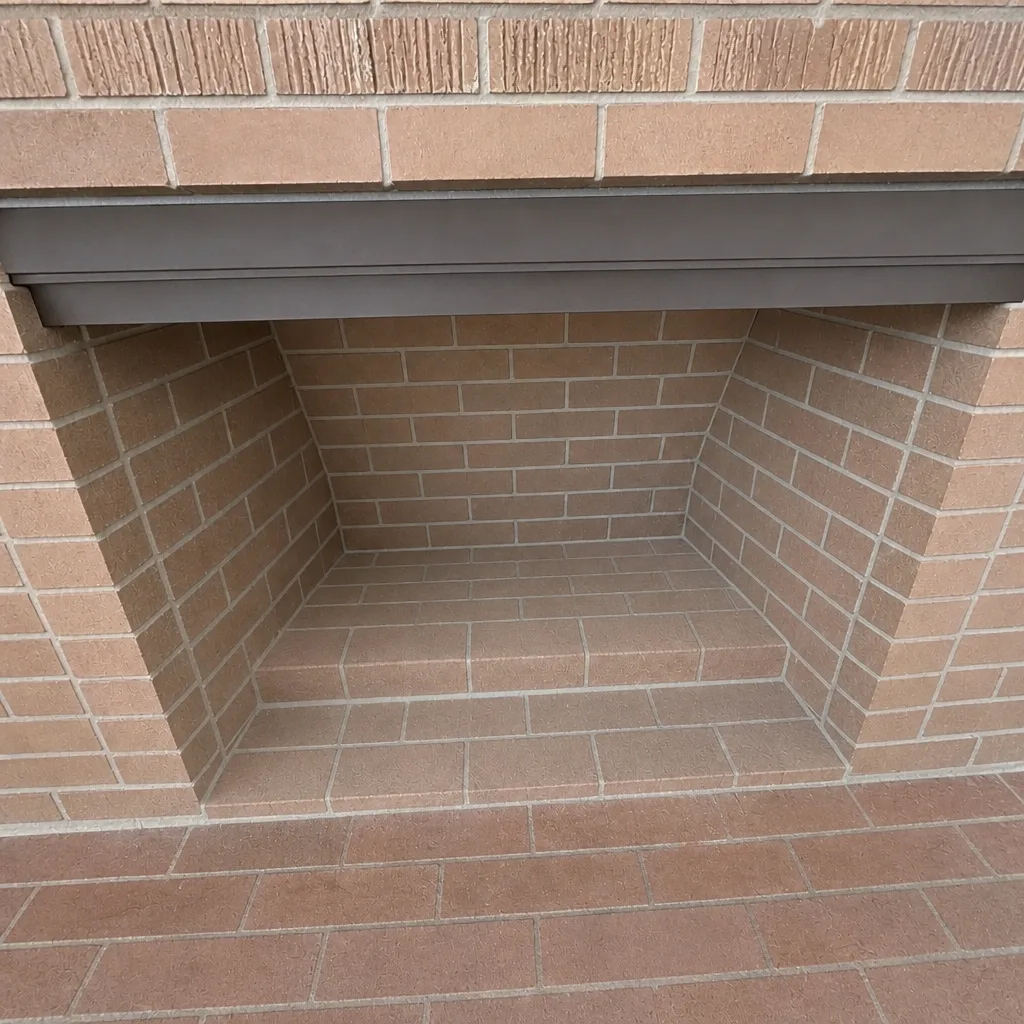
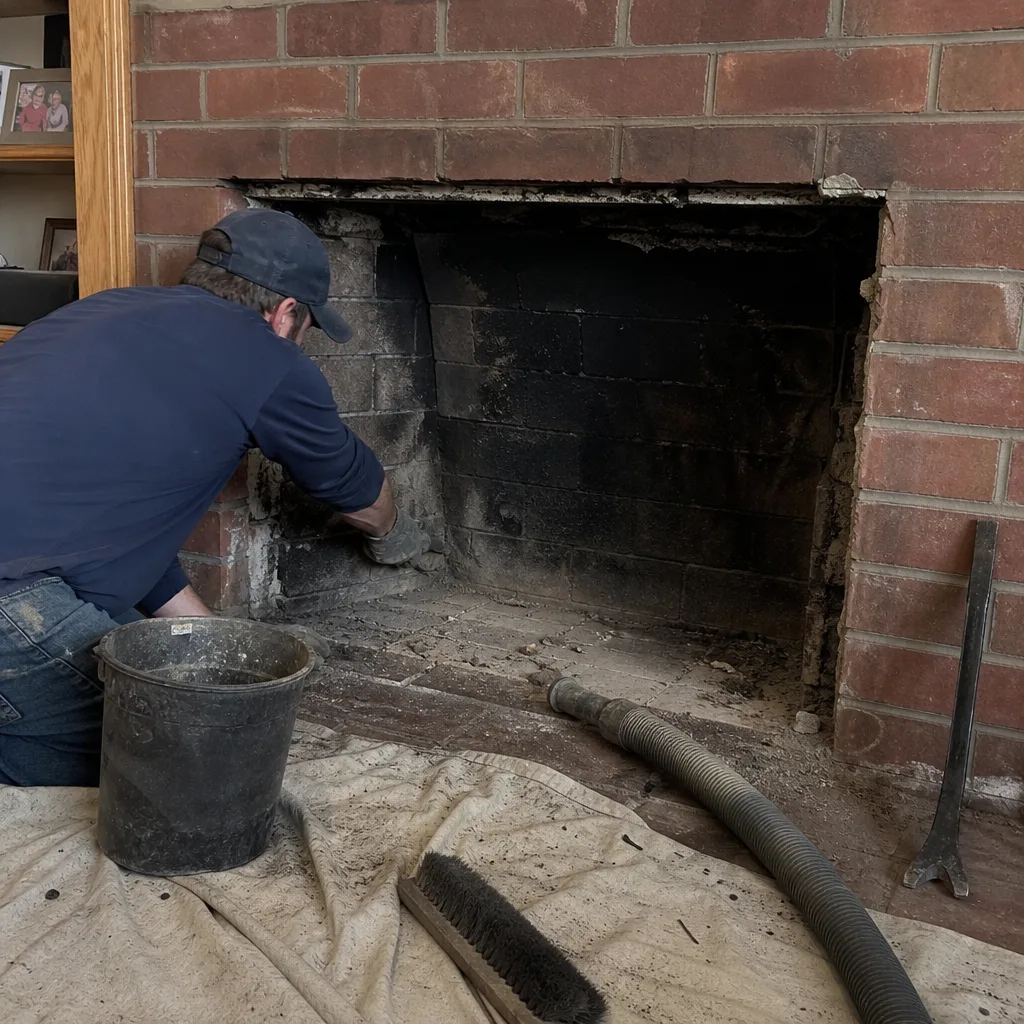
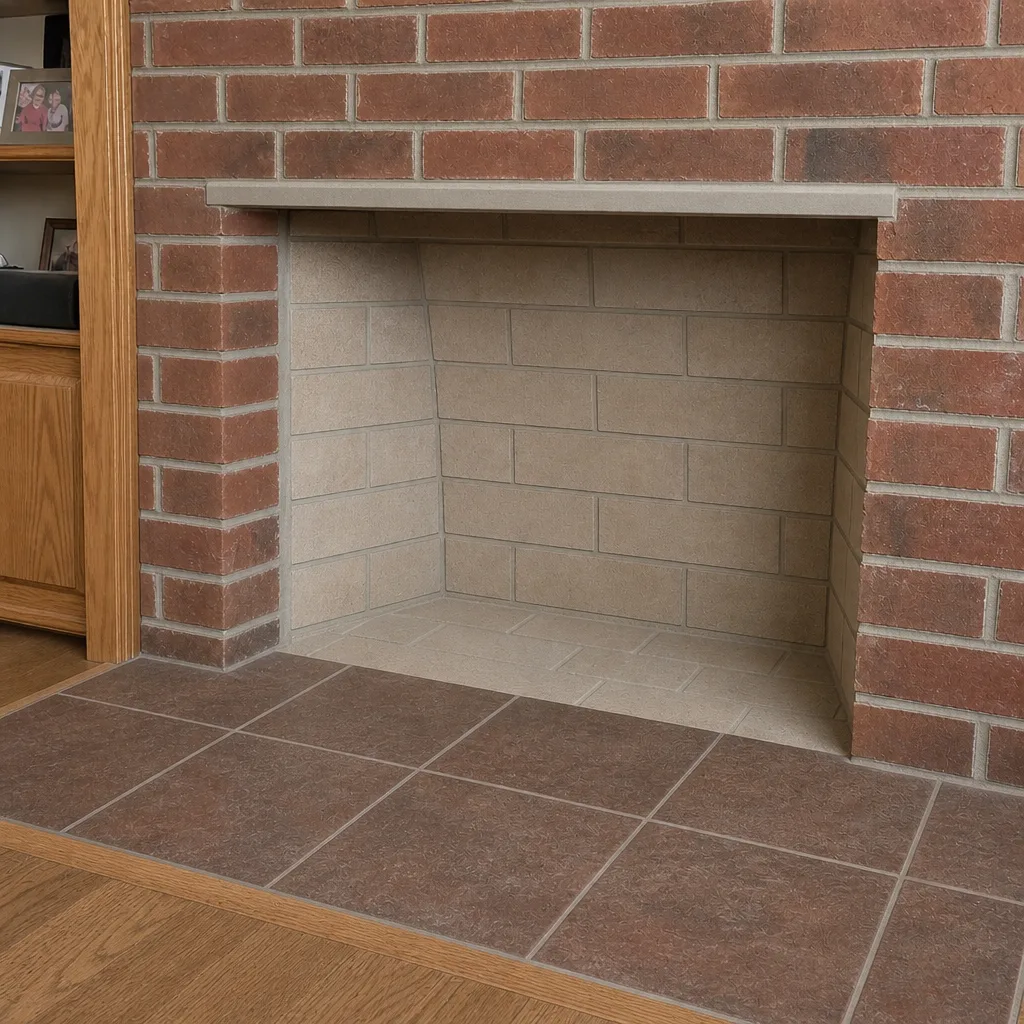
See the difference
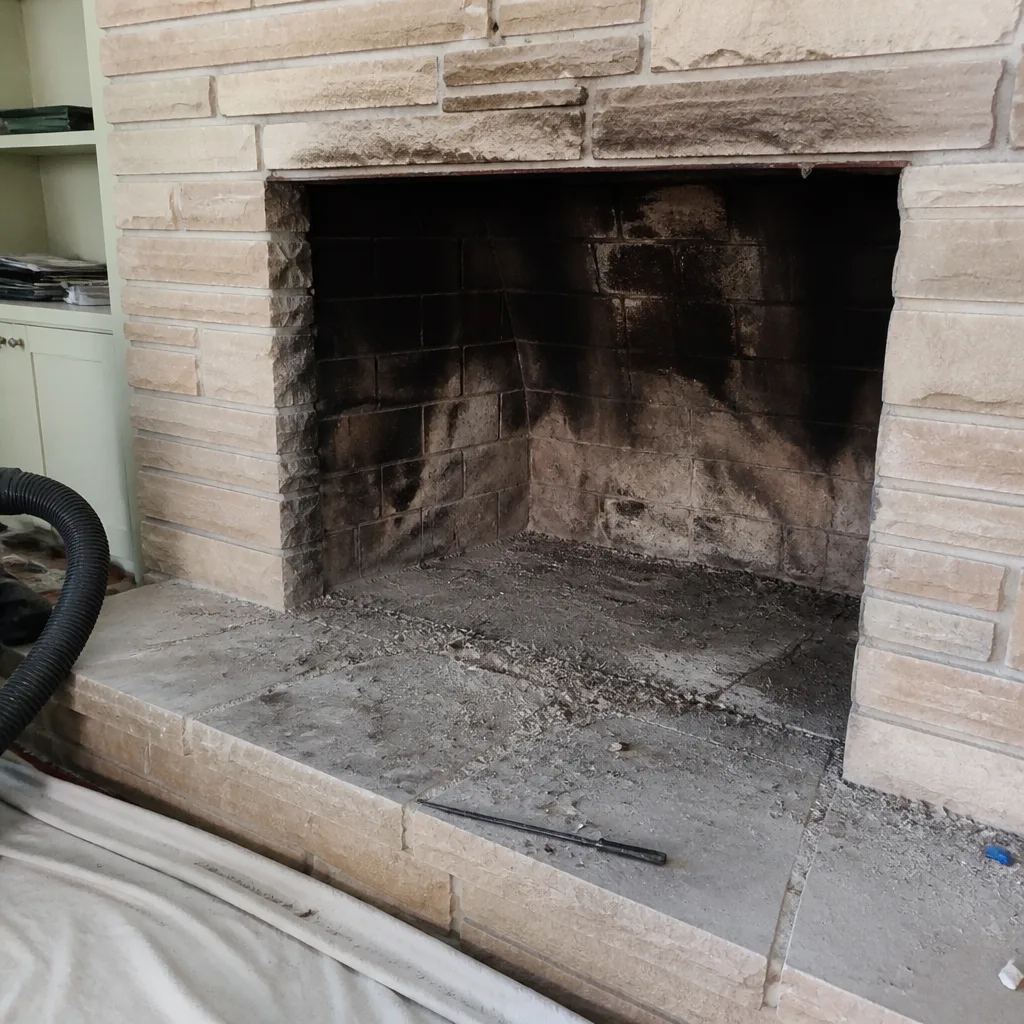 Before
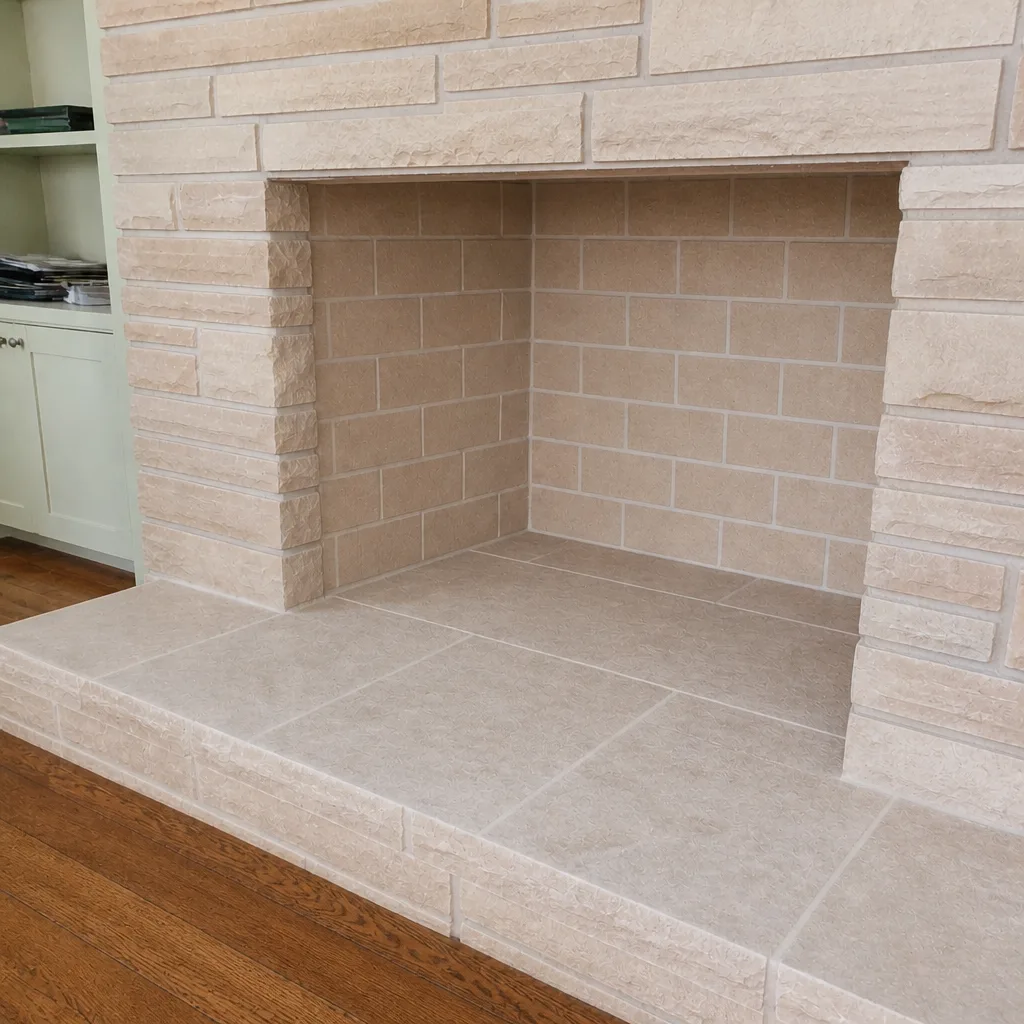 After
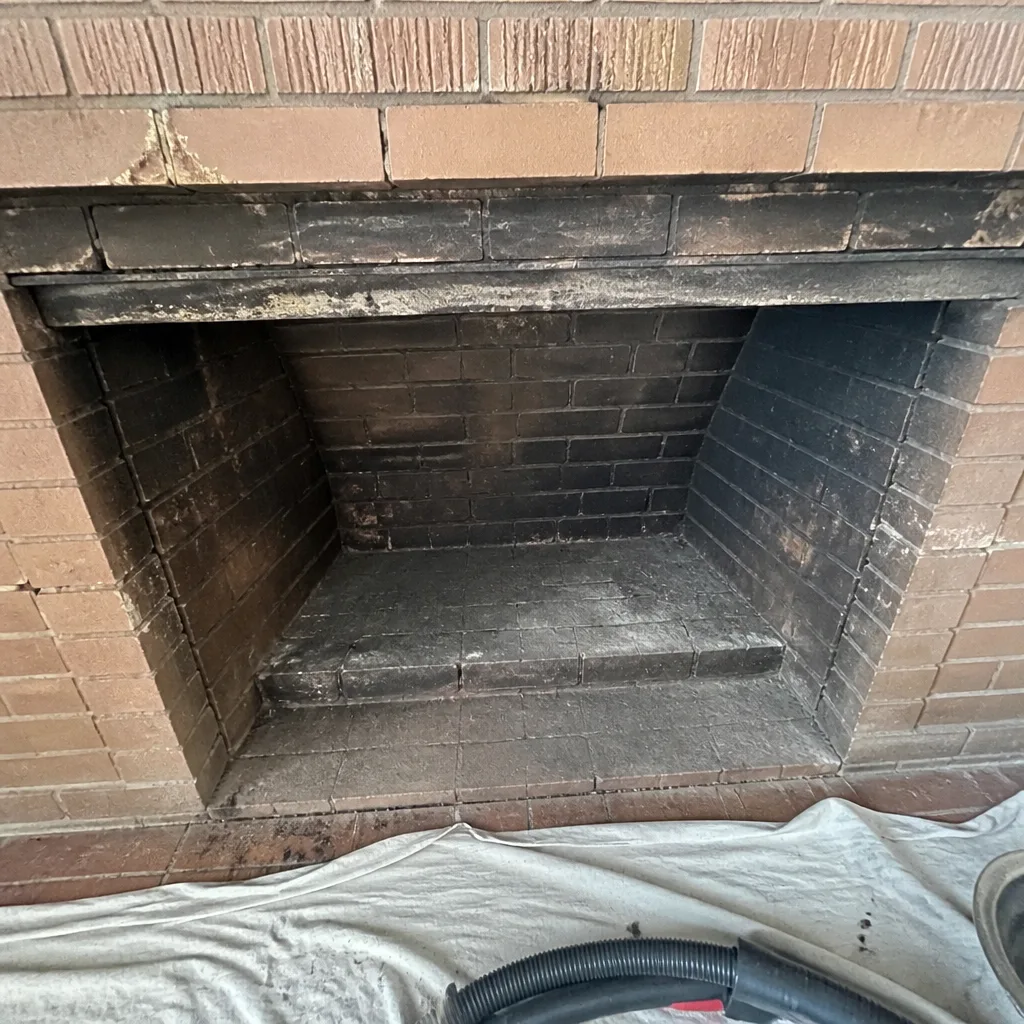 Before
 After
 Before
 After
What Actually Happens If You Skip It
We get this question a lot, and the honest answer has two parts. The safety part concerns chimney fires and carbon monoxide. Creosote is what makes chimney fires dangerous: it builds up on the flue walls, and when it ignites, the temperatures are high enough to crack tiles and start a house fire. A blocked or damaged liner lets combustion gases into the home instead of up and out, and that includes carbon monoxide. Those are real risks, and they’re why the trade exists.
The financial part is simpler. A chimney that gets swept and inspected every year stays predictable. A chimney that doesn’t gets surprises, and surprises in masonry get expensive fast. A cracked crown that gets coated early is a small repair. The same crack a few winters later is repointing, then rebuild. The math almost always favors the cheaper version.
We don’t say any of this to scare-sell. We say it because the honest answer is that skipping isn’t a dollar-for-dollar savings; it’s a deferral that usually comes due with interest.
When to Call a Professional
You should call for a sweep or inspection in these situations: the heating season is about to start and you haven’t had the chimney looked at; you’ve noticed a draft coming down the flue when the fireplace isn’t burning; you can see or smell creosote buildup, or a sour smoky odor lingers in the room; the firewood you’re burning is hissing or hard to light, which usually means it’s not seasoned; or you’ve used a wood stove as primary heat for a full season.
Call right away if you’ve had a chimney fire, even a small one, or if you’ve noticed cracks in the crown, loose mortar on the exterior, or stains on the ceiling or walls around the chimney breast. Those need eyes on them.
Chimney Sweep Murray offers free estimates in Murray. Call (855) 616-0935. We answer 24/7. Fast dispatch from 7am to 7pm, Sunday through Friday. If you’d like to start with a routine chimney sweep, that’s a good place to begin – or you can read what we do for fireplace repair or chimney repair if you already know something needs fixing.
Frequently Asked Questions
A standard chimney sweep in Murray typically runs $150 to $280 in 2026, and that should include a Level 1 visual inspection with a written report. A cleaning with camera inspection typically runs $250 to $450. Call (855) 616-0935 for an exact quote – estimates are free.
Maybe, maybe not. A liner needs replacing only when the camera shows damage that can’t be repaired otherwise – and often it can. HeatShield liner resurfacing can repair many damaged clay liners from the inside without pulling the whole flue apart, and it’s a service most sweep-only companies don’t offer. Ask for the camera report before you agree to anything. Call (855) 616-0935 for an exact quote – estimates are free.
Once a year for occasional use, twice a season for a wood stove running as primary heat, and always after a chimney fire. Sweeping before the heating season gets you through the winter with clean flue walls, rather than discovering a buildup after it’s already causing problems. Call (855) 616-0935 for an exact quote – estimates are free.
Two things. First, creosote builds up and becomes fuel for a chimney fire, which is a serious safety risk. Second, small maintenance problems – a crack in the crown, a damaged mortar joint, a failing damper – go unnoticed and get bigger. Both outcomes cost more than the sweep. Call (855) 616-0935 for an exact quote – estimates are free.
We’d rather you not. A homeowner-sized brush and a ladder can reach the flue, but it can’t inspect the liner, and it can’t tell you whether creosote deposits in the smoke chamber or around the damper are a problem. The cleaning is half the service; the inspection is the other half, and it’s the half that protects you. The parts that require a trained technician – climbing the roof, checking the cap and crown, running a camera – aren’t worth the savings. Call (855) 616-0935 for an exact quote – estimates are free.
Look for industry brands: DuraFlex for flexible stainless liners, HeatShield for liner resurfacing, Famco and Gelco for caps and crown materials, Copperfield for chimney components. These are the materials professionals across the trade rely on. If a quote doesn’t name a brand, ask. For more on how we work, start at Chimney Sweep Murray.
The Bottom Line
A fair chimney quote in Murray isn’t the lowest number – it’s the clearest one. A sweep should include a Level 1 inspection with a written report you keep, and any repair should come with camera evidence you can see and a written scope you can compare. The $150 to $280 range for a standard sweep is about right for 2026, and anything well below it is usually missing the documentation piece. Ask what brand of liner and cap materials go into your chimney, ask whether resurfacing is an option before replacement, and don’t be pushed into a same-day decision. A chimney that gets swept and inspected each season stays predictable. One that doesn’t tends to produce surprises, and those get expensive.
Call Chimney Sweep Murray at (855) 616-0935 for a free estimate. We answer 24/7. Fast dispatch from 7am to 7pm, Sunday through Friday. We work on the whole system – sweep, inspection, cap and crown, liner resurfacing, and repair – so one call handles the next several years of what your chimney needs.
Written by the team at Chimney Sweep Murray.