
Last updated November 24, 2026
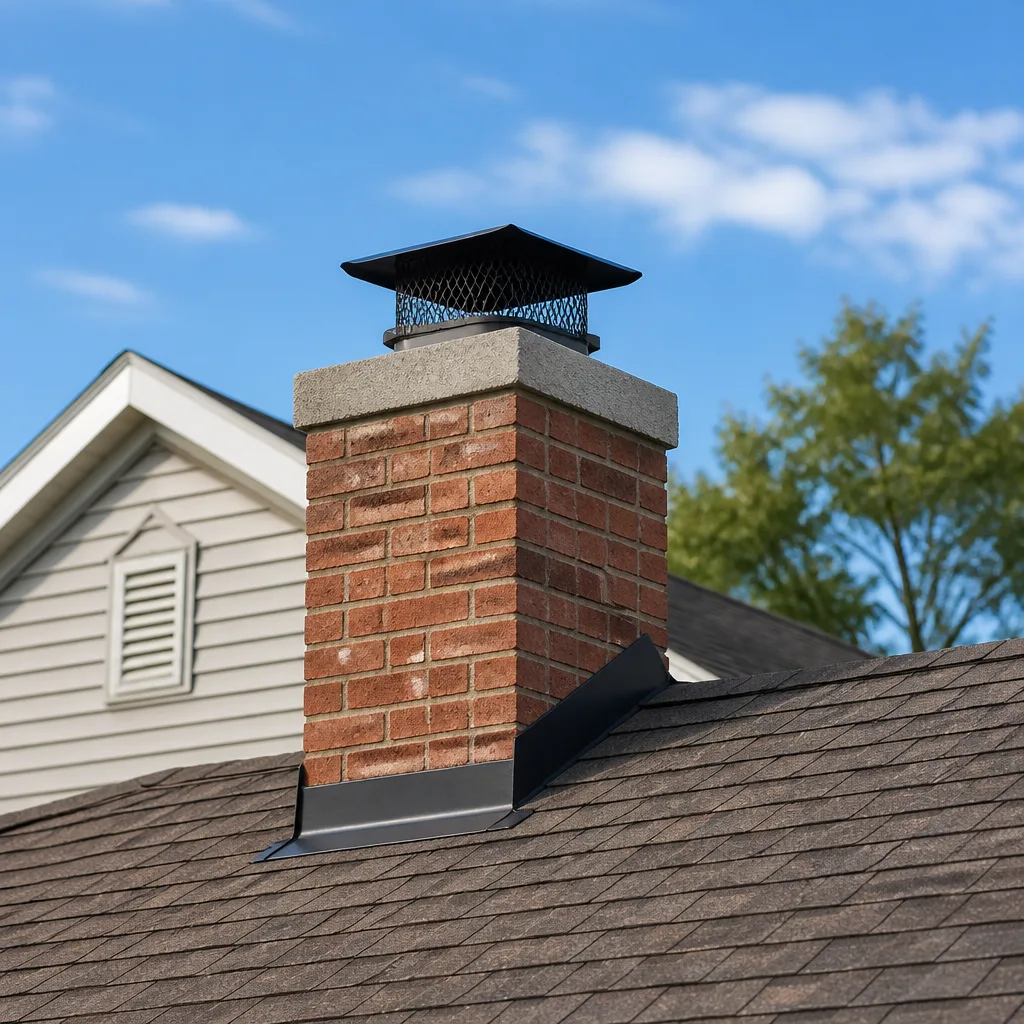 Sweep & inspection
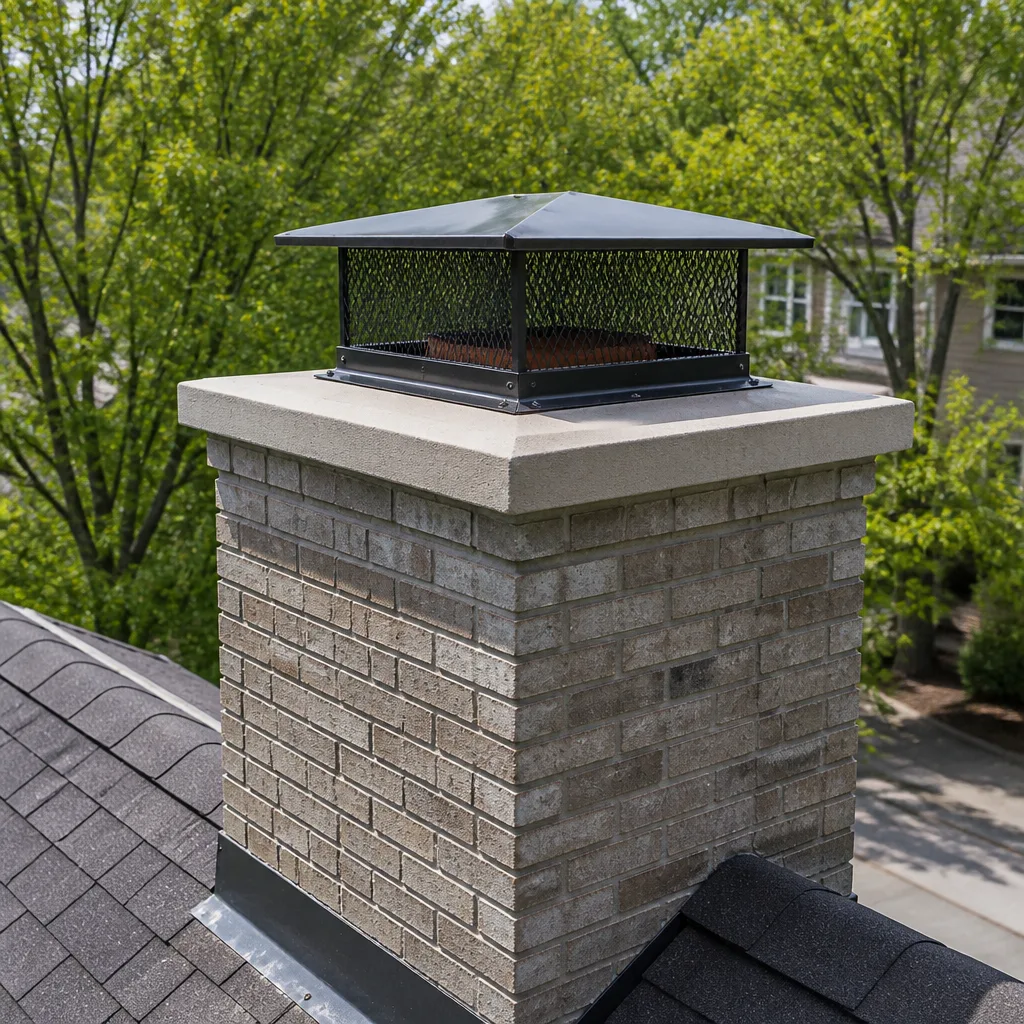 Caps & crowns
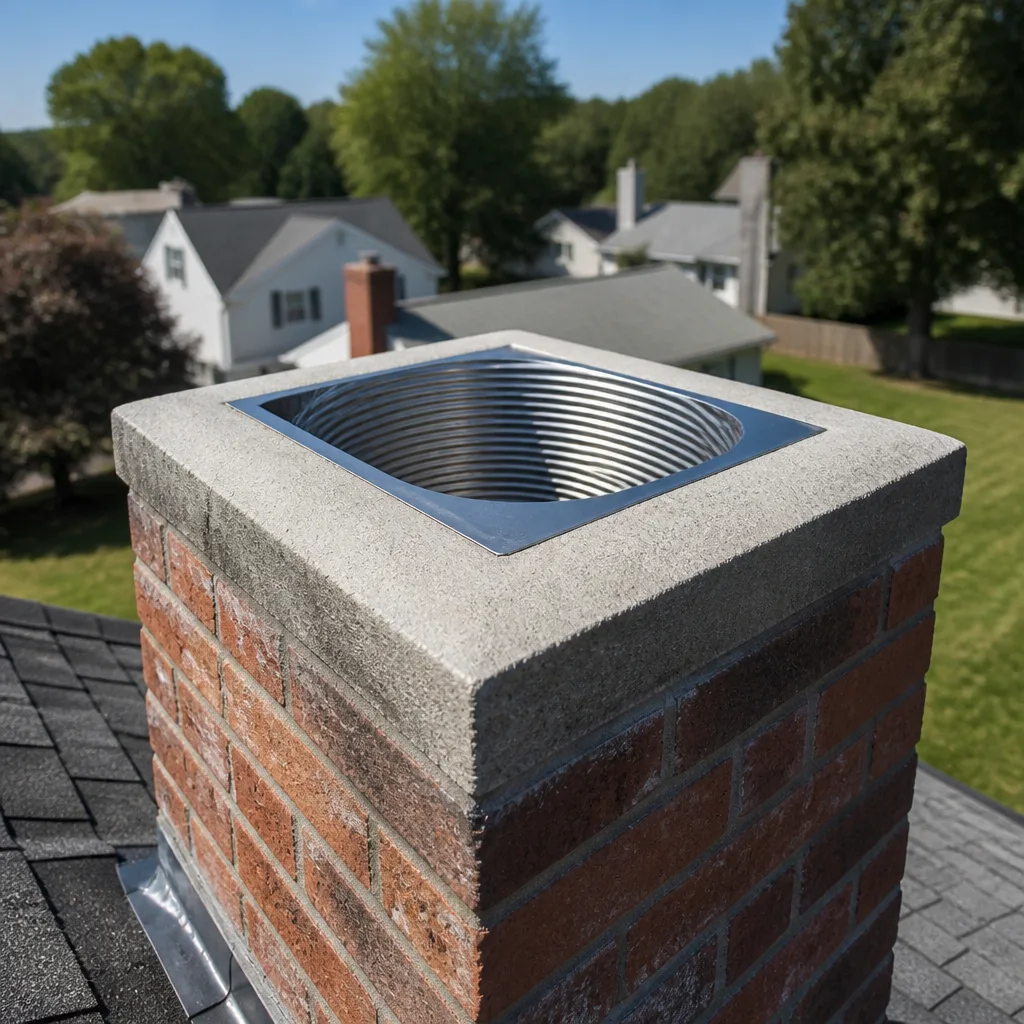 Flue relining
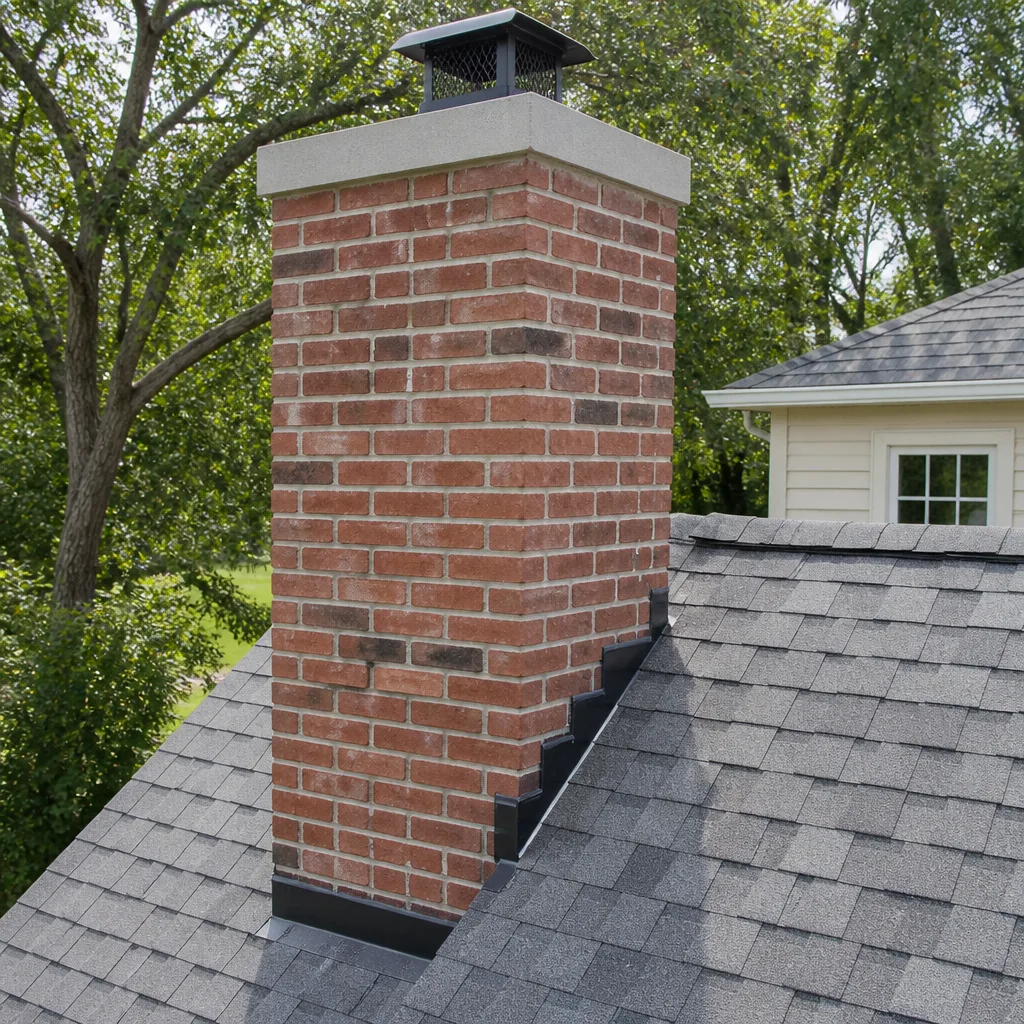 Masonry repair
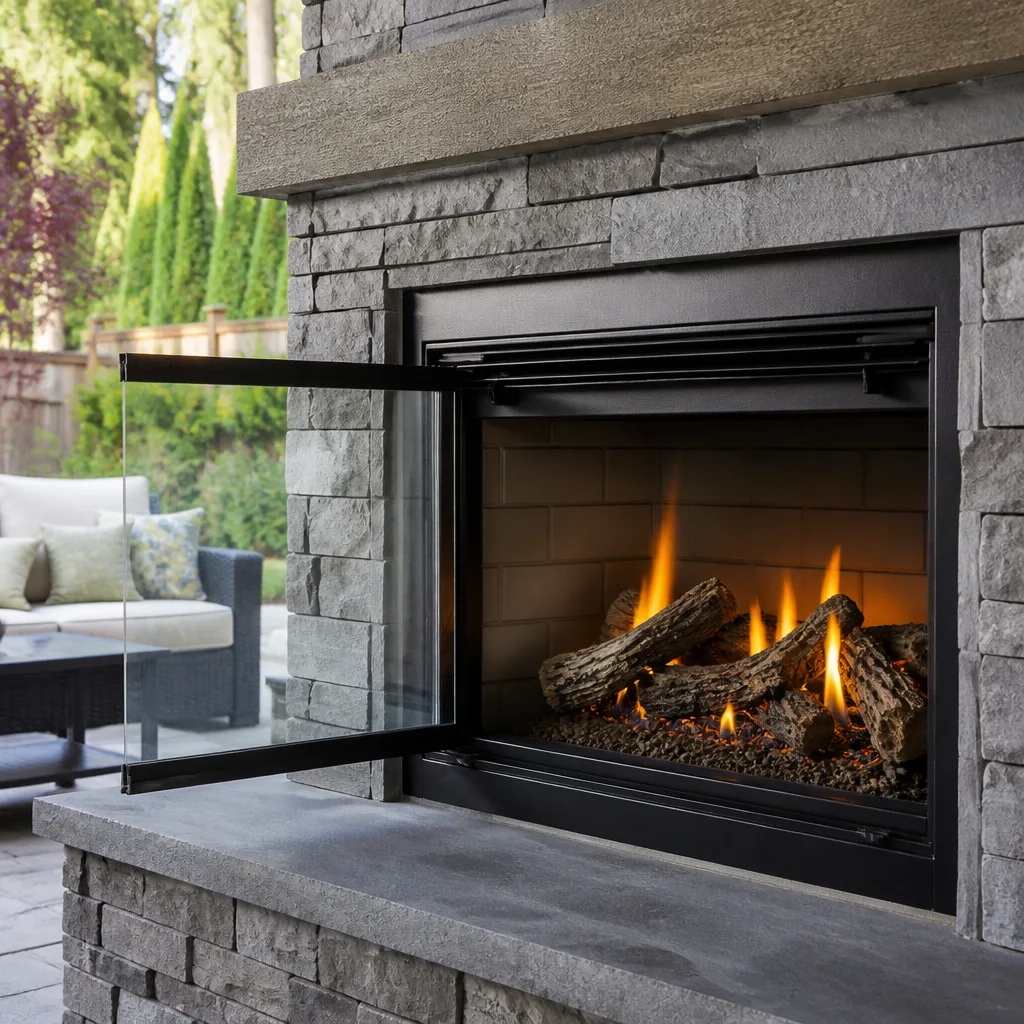 Gas fireplace service
Level 1 sweep and inspection to the NFPA 211 annual standard - flue, crown, cap, and flashing checked and photographed
Chimney sweep logs do not sweep chimneys. They loosen some creosote - which then falls where a brush and vacuum still have to collect it.
How to Hire a Chimney Cleaning Contractor in Murray: A Step-by-Step Guide
Most homeowners vet a plumber by checking a license and calling it done. A chimney contractor needs more scrutiny, not less. The trade has lower barriers to entry than plumbing or electrical work, and the inspection-scare playbook is common enough that consumer protection agencies have documented it for years: a “free inspection” that always finds a cracked liner and a four-figure repair quote, with no camera evidence shown before the number gets spoken. This guide walks through the specific questions, credentials, and red flags that separate a full-service chimney specialist from a pressure-selling generalist. You’ll learn what certifications actually require, how to read a quote, and what to ask before anyone steps onto your roof in Murray.
Quick Answer
To hire a chimney cleaning contractor in Murray, verify CSIA certification, confirm the company carries liability and workers’ comp insurance, ask whether they use an inspection camera and provide a written report, and check that they can diagnose and repair problems in-house rather than only cleaning. Get a written scope of work before any repair is authorized, and insist on seeing photos or video of anything they claim is wrong. A legitimate contractor will show you the evidence and tell you plainly when work can wait.
Styles & brands we work with
- Sweep & inspection
- Caps & crowns
- Flue relining
- Masonry repair
- Gas fireplace service
Table of Contents
- Why Chimney Contractors Need More Vetting Than Other Trades
- What CSIA and NFI Certifications Actually Require
- The Five Questions to Ask Before You Book
- How to Evaluate a Chimney Quote
- Why a Clean-Only Company Is a Liability
- How to Cross-Check Reviews for Repair Work
- What Murray Conditions Do to a Chimney
- Red Flags That Should End the Conversation
Why Chimney Contractors Need More Vetting Than Other Trades
Chimney work sits in an odd regulatory gap. Most states license electricians, plumbers, and general contractors with clear scope definitions and testing requirements. Chimney sweeping and repair often fall outside those frameworks entirely, which means a business license and a truck can be the whole barrier to entry in some markets. That’s not a knock on the trade. It’s a reason to do your own diligence rather than assuming a license means competence.
The bigger issue is that homeowners can’t see the work. A plumber’s leak either stops or it doesn’t. A chimney liner is inside a flue you’ll never look down. That invisibility is what makes inspection scares so effective, and it’s why the burden falls on you to demand evidence before money changes hands.
Here’s the practical reality: a chimney is a system, not a hole. The flue, liner, crown, cap, damper, firebox, and masonry all interact. A company that only sweeps can tell you the flue is dirty. A company that works on the whole system can tell you the crown is cracked, the cap is missing, and the liner has a gap at a joint, then fix all three without handing you to a second contractor who may or may not show up.
Murray adds its own wrinkle. Homes around the Cottonwood canyons and the older neighborhoods near downtown see real temperature swings between seasons, and a wood-burning fireplace gets heavy use through the cold months. That cycling stresses masonry and crowns. A sweep-only visit won’t catch it. We’ve seen enough of these to know the difference between a chimney that needs a cleaning and one that needs attention before winter.
What CSIA and NFI Certifications Actually Require
Two credentials matter in this trade: CSIA Certified Chimney Professional and NFI certification. Neither is a business license, and neither is a guarantee, but both require real work to earn and maintain.
The CSIA credential (Chimney Safety Institute of America) requires passing a proctored exam covering codes, venting, inspection standards, and combustion safety. It also requires continuing education to stay current and a code of ethics. A technician who holds it has demonstrated knowledge of how chimneys actually work, not just how to run a brush.
NFI (National Fireplace Institute) certification focuses on hearth appliances: wood stoves, gas fireplaces, and the venting systems attached to them. It matters if your home has a gas insert or a wood stove rather than a traditional open fireplace, because the venting requirements differ and the failure modes differ too.
Here’s the important distinction: a business license tells you someone filed paperwork. A CSIA or NFI credential tells you a technician passed a test on the specific systems in your home. Ask which technician will be at your house and what credentials they hold. A company that can’t answer that clearly is telling you something.
What to verify on credentials
- Whether the technician doing the work (not just the company owner) holds current CSIA certification.
- Whether certifications are active, since they lapse without continuing education.
- Whether the company does gas appliance work and holds the NFI credential for it.
You don’t need a wall of acronyms. You need to know the person on your roof knows what a proper flue looks like and can spot a hazard before it becomes a fire.
The Five Questions to Ask Before You Book
These five questions cut through most of the noise. Ask them on the phone, before anyone schedules a visit. The answers tell you more than any website copy will.
- What insurance do you carry, and at what limits? You want general liability and workers’ compensation. If a technician falls off your roof and the company has no workers’ comp, that liability can land on your homeowner’s policy. Ask for the certificate, not just a verbal “we’re insured.”
- Will you use an inspection camera, and will I see the footage? A visual inspection from the top with a flashlight misses things. A camera run down the flue catches gaps, cracks, and creosote glazing. A contractor who won’t show you the footage is asking you to take their word for a problem you can’t see.
- What does the written report look like? Ask for a sample. A real report documents what was found, where, and with photos. A one-line “chimney needs cleaning” note isn’t an inspection.
- What brand of materials do you use for repairs? Liner systems and crown materials vary in quality. Professionals work with established industry brands like DuraFlex flexible liner systems, HeatShield resurfacing products, and Famco caps. A company that can’t name what it installs is probably buying whatever’s cheapest that week.
- Can you give me references from Murray-area customers who had repair work done? Not cleaning references. Repair references. That’s where quality shows, and a company confident in its work will have them.
Ask all five. A contractor who answers them without hesitation, and follows up with documentation, is a contractor worth booking.
How to Evaluate a Chimney Quote
A legitimate chimney quote has a clear scope of work: what will be done, with what materials, in what order, and for what total. A vague quote is a setup for a final bill that doesn’t match what you agreed to.
Here’s what a proper scope of work looks like for a liner replacement, one of the most common repair jobs:
- The specific liner product and material (for example, a DuraFlex flexible liner sized to the flue).
- The length and diameter required, and why that size was chosen.
- Whether insulation is included, since an uninsulated liner in an exterior chimney performs poorly.
- What happens to the existing liner or flue, and how it’s removed or prepped.
- Whether a new cap or crown is part of the job, and what material.
- The total price, with no line items marked “TBD” or “plus materials.”
What a bad quote looks like: “Chimney repair, $2,800.” No product, no dimensions, no scope. When work starts, the number moves. The homeowner is already committed and the flue is already open.
Compare two or three quotes when the job is significant. But compare them on scope, not just price. A quote that’s $800 lower because it uses an unlisted liner and skips insulation isn’t cheaper. It’s a different, worse job.
For chimney repair work beyond a sweep, ask whether the company handles it in-house or subcontracts. Single-company accountability means one call if something goes wrong. It also means the person who diagnosed the problem is the person who fixes it, which cuts down on miscommunication. Ask us about chimney repair and we can walk through what a full scope looks like for your situation.
Why a Clean-Only Company Is a Liability
A company that cleans and leaves is only solving half the problem. Cleaning removes creosote. It doesn’t tell you whether the crown is cracked, the cap is missing, or the liner has a gap that lets heat reach framing. Those are the things that start fires and cause structural damage.
The failure mode is predictable. The sweep comes, cleans the flue, hands you a receipt, and leaves. Six months later the crown that was already cracked has let water in, the masonry is spalling, and now you’re looking at a rebuild. Nobody did anything wrong in the cleaning. They just didn’t look.
Full-service capability means the company can do the sweep, run the inspection, identify the problems, and fix them: chimney sweep and inspection, cap and crown installation, liner resurfacing or replacement, and fireplace repair when the firebox or damper needs attention. One company, one diagnosis, one accountable party from start to finish.
How do you identify full-service capability upfront? Ask three questions before booking:
- What services do you handle in-house, and which do you refer out?
- Can you install a cap or crown if the inspection finds one is needed, or do I need to call someone else?
- Do you do liner resurfacing, or only full liner replacement?
That third one is a useful filter. HeatShield resurfacing is a specialized repair method most sweep-only companies can’t perform. It addresses a damaged liner by casting a new surface inside the existing flue, which is often less invasive than a full replacement. A company that offers it is signaling real repair depth. A company that doesn’t know what you’re asking about is signaling something else.
How to Cross-Check Reviews for Repair Work
Reviews for routine cleanings are nearly useless as a quality signal. Cleaning is low-risk and hard to get wrong. The reviews that matter are the ones about repair work: liner replacements, crown installs, fireplace fixes, and how the company handled problems that came up mid-job.
Here’s how to read reviews with that filter in mind:
- Search for repair keywords. Look for reviews mentioning liner, crown, cap, masonry, or resurfacing. Read those closely.
- Look for how problems were handled. The best signal is a review where something went wrong and the company made it right. Anyone can be good when the job is easy.
- Cross-check across platforms. A company with reviews on one site only is worth a second look. Look at Google, Yelp, Angi, and the Better Business Bureau together.
- Watch for review patterns. A cluster of five-star reviews that all praise “the free inspection” and “the great price” tells you about marketing, not workmanship.
- Ask for repair-specific references from Murray-area customers directly, as covered above. A real reference list is harder to fake than a review.
One more approach: ask the company how they handle a job where the inspection finds more than the sweep revealed. The answer tells you whether they call to explain and re-quote, or hand you a surprise bill at the end. In our experience, the companies worth hiring are the ones who treat a mid-job discovery as a conversation, not an upsell.
What Murray Conditions Do to a Chimney
Murray sits at the base of the Wasatch, and that geography shapes what happens to chimneys here. Cold winters mean heavy wood-burning season. Seasonal temperature swings stress masonry and crowns. Homes in the older neighborhoods near downtown Murray and along State Street have chimneys that have seen decades of freeze-thaw cycling, which opens cracks, loosens mortar joints, and lets water in.
What does that mean for hiring? It means the inspection matters as much as the cleaning. A chimney that looks fine from the ground can have a crown that’s cracked across the top, channeling water into the masonry every time it rains or snows melts. It means a missing cap, a common and cheap fix, lets rain and birds into a flue that then rusts or blocks. And it means a liner that was fine when installed can develop gaps at joints after years of heating and cooling.
Wood smoke is the other factor. Creosote builds up faster with certain burning habits, and in a cold climate the fire burns hot and long. A sweep that only brushes the flue without checking the liner and crown is doing half a job in a place where the other half matters most.
This is the case for a contractor who works the whole system. A Chimney Sweep Murray visit that includes inspection can flag a crown issue before it becomes a masonry rebuild. Call early in the season, before the first cold snap, and you’ll have time to address anything found without rushing a repair.
Red Flags That Should End the Conversation
Some warning signs are specific enough to act on immediately. If any of these come up, stop and get a second opinion.
- The “free inspection” that always finds a problem. If every inspection results in a four-figure quote, and they won’t show you the camera footage, walk away. Legitimate contractors show evidence.
- No camera, no photos. A contractor who claims a cracked liner without visual proof is asking you to trust them on the one thing you can’t verify. Insist on footage.
- A quote with no scope. “Liner replacement, $3,000” with no product, length, or insulation detail is a number, not a quote.
- Pressure to decide on the spot. A real contractor will explain what’s urgent, what can wait, and let you think about it. A pushy one needs a signature today because the offer won’t last. It will.
- No insurance documentation. “We’re fully insured” without a certificate is a claim, not proof. Ask for the paperwork.
- Can’t name their materials. If they don’t know what liner or crown product they install, they’re buying on price, and so are you.
- No repair references. A company that cleans but can’t produce a repair reference from a real customer is telling you where their experience ends.
Common Mistakes to Avoid
- Hiring on price alone. The lowest quote often reflects the cheapest materials, not the best value. A liner is a decades-long investment, and the difference between a quality install and a cheap one shows up years later.
- Skipping the written report. If you don’t have documentation of what was found, you have no baseline for next year. Ask for photos and a written summary every time.
- Assuming a business license equals competence. In a trade with low licensing barriers, a license is a starting point, not a credential. Ask about CSIA certification specifically.
- Letting a sweep-only company diagnose structural work. If they can’t fix it, they can’t fully assess it. The diagnosis and the repair should come from the same place.
- Ignoring the crown and cap. These are cheap to fix and expensive to ignore. A cracked crown lets water in; water destroys masonry. In Murray’s freeze-thaw climate, that timeline is short.
- Booking a repair before seeing the evidence. Never authorize liner work on a verbal claim alone. Ask for camera footage or photos first.
- Assuming the chimney is fine because the fireplace works. A fireplace can draw well and still have a cracked crown or a gapped liner. Function doesn’t equal safety.
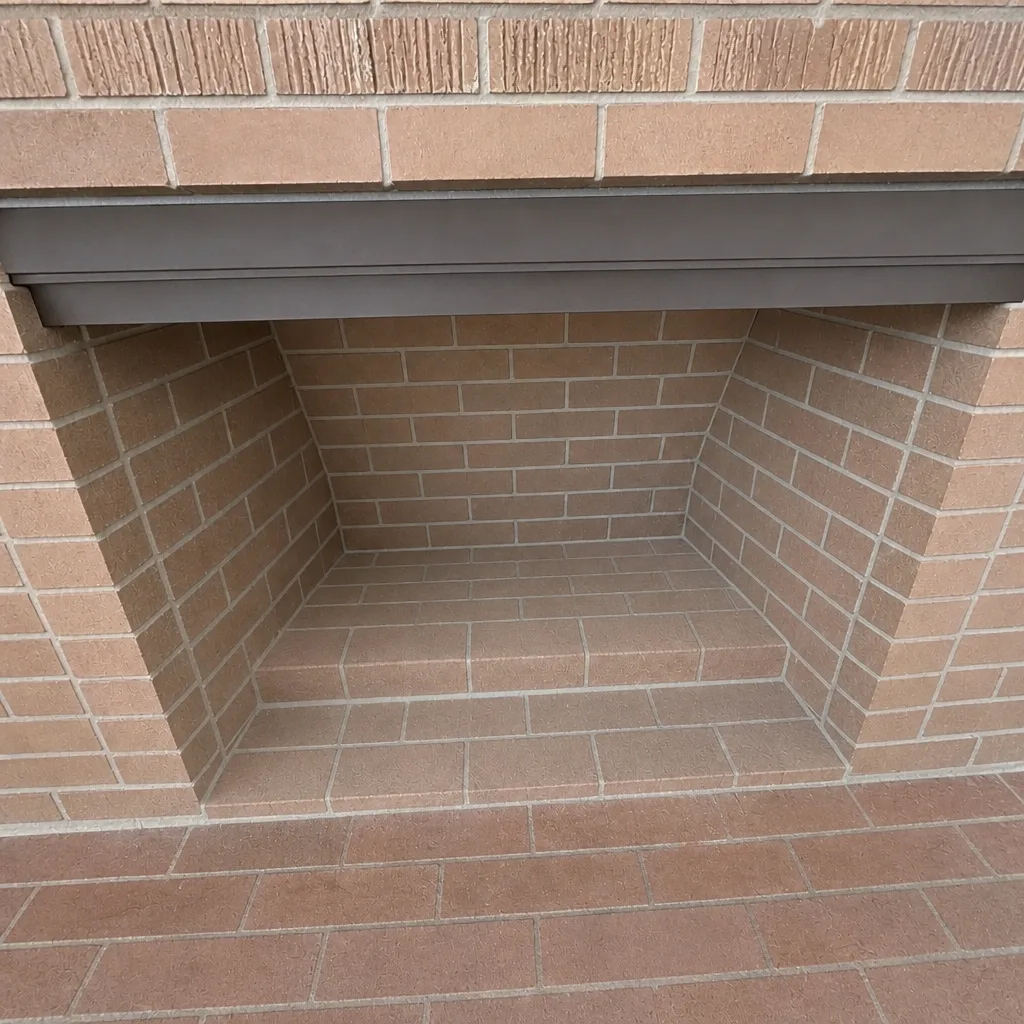
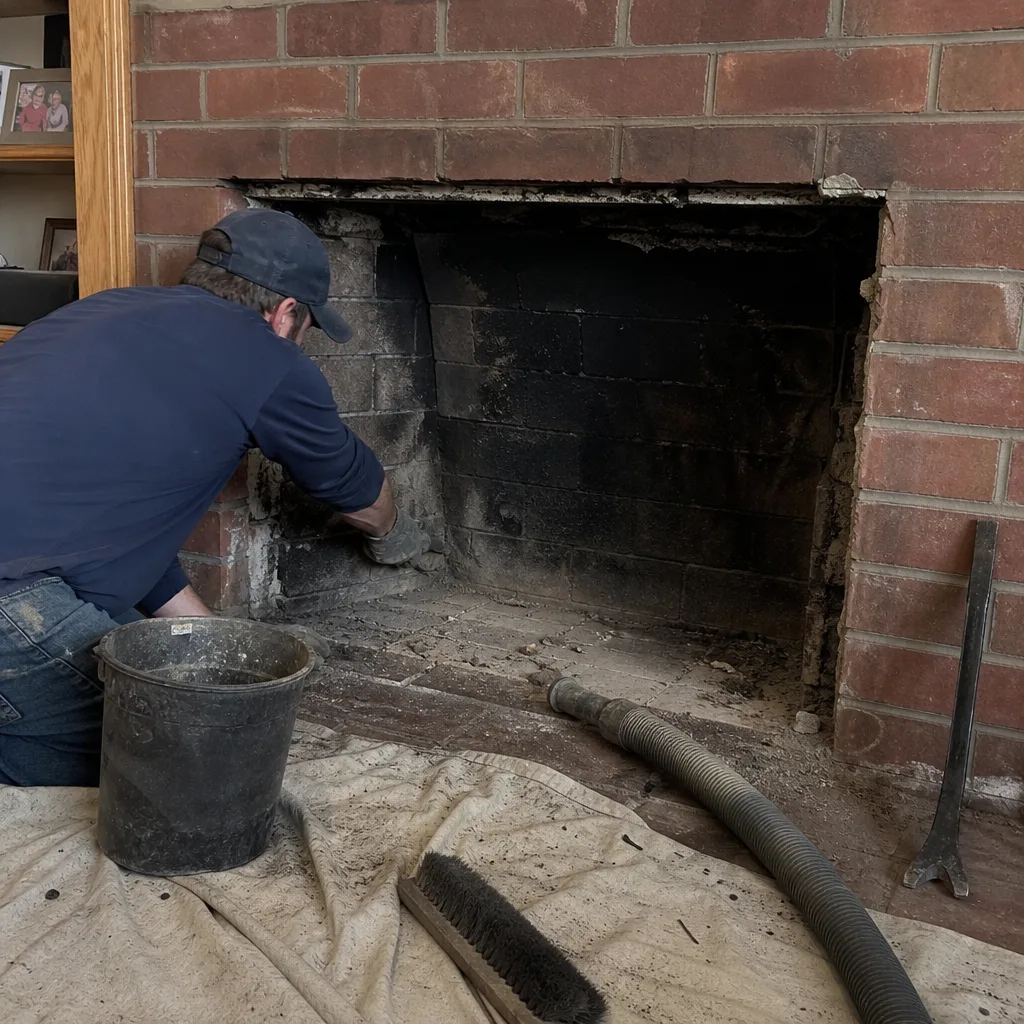
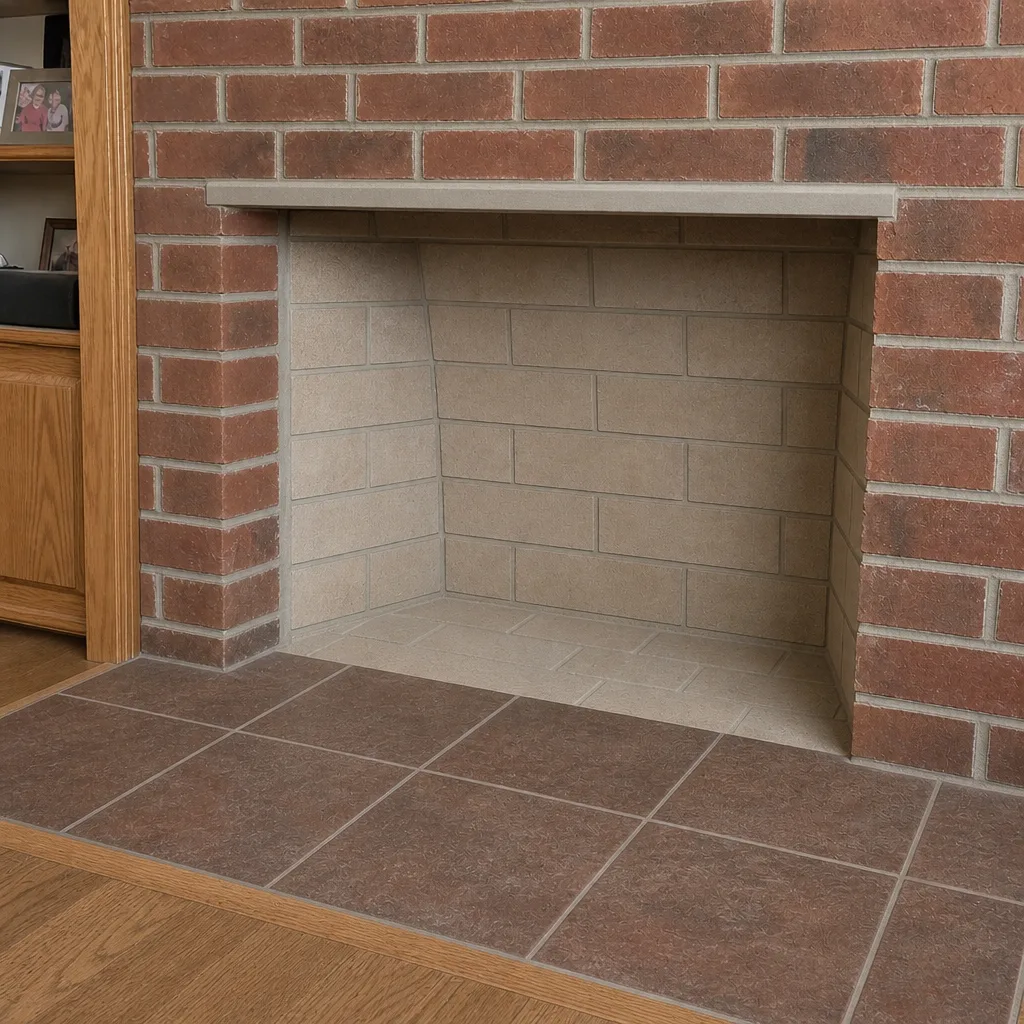
See the difference
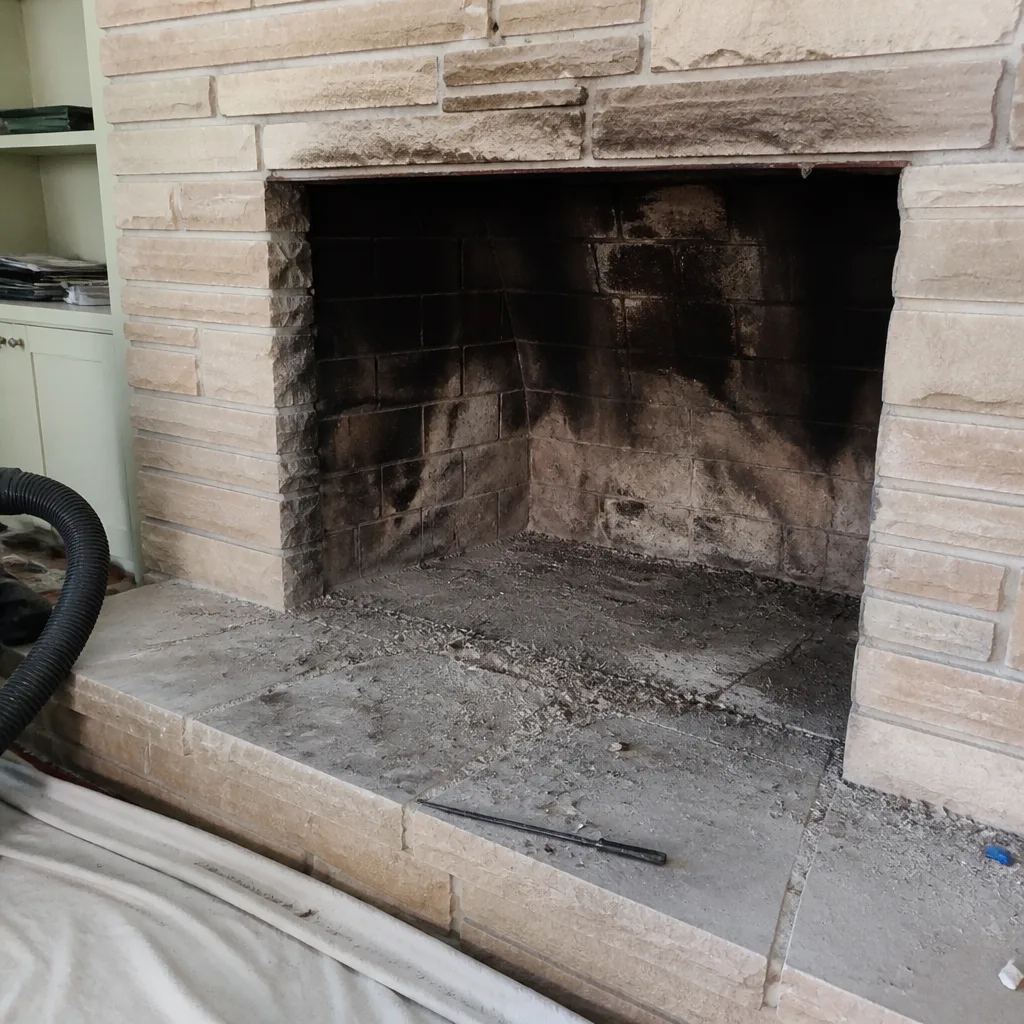 Before
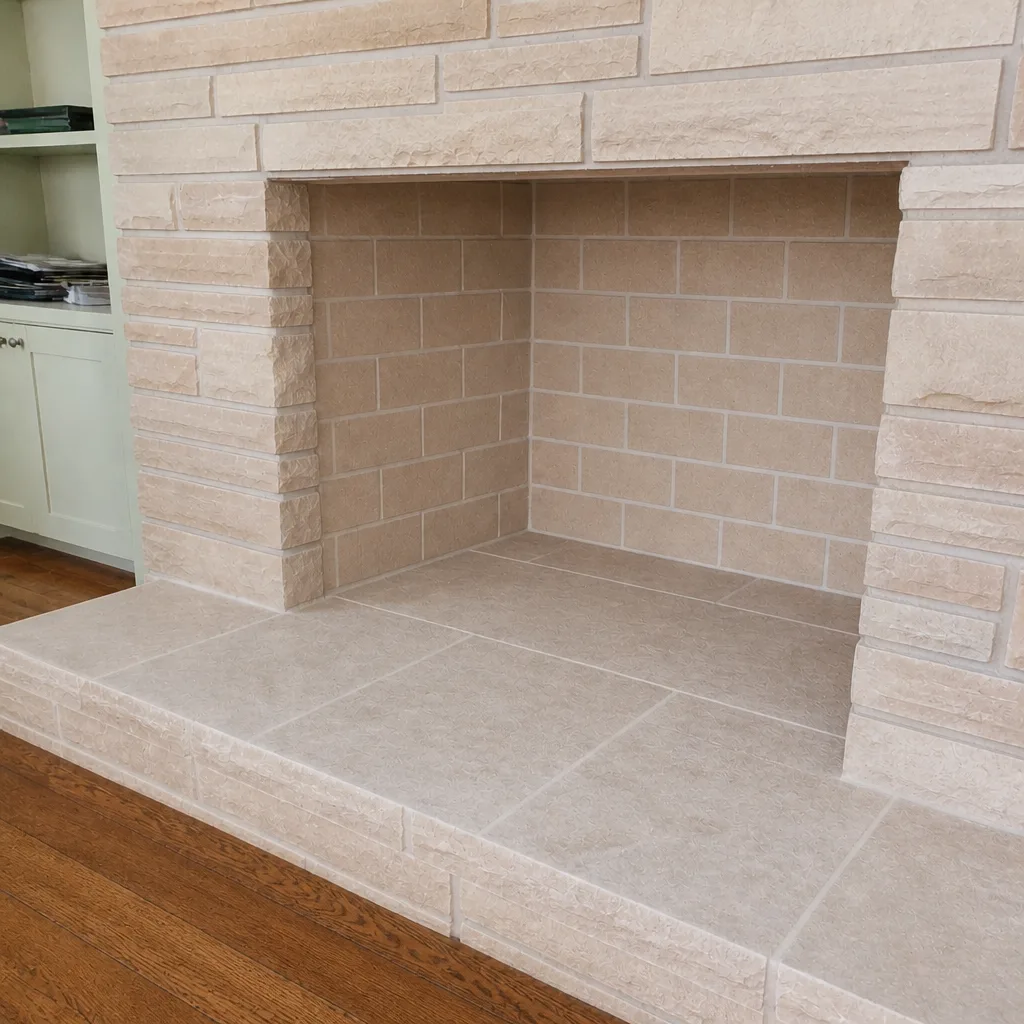 After
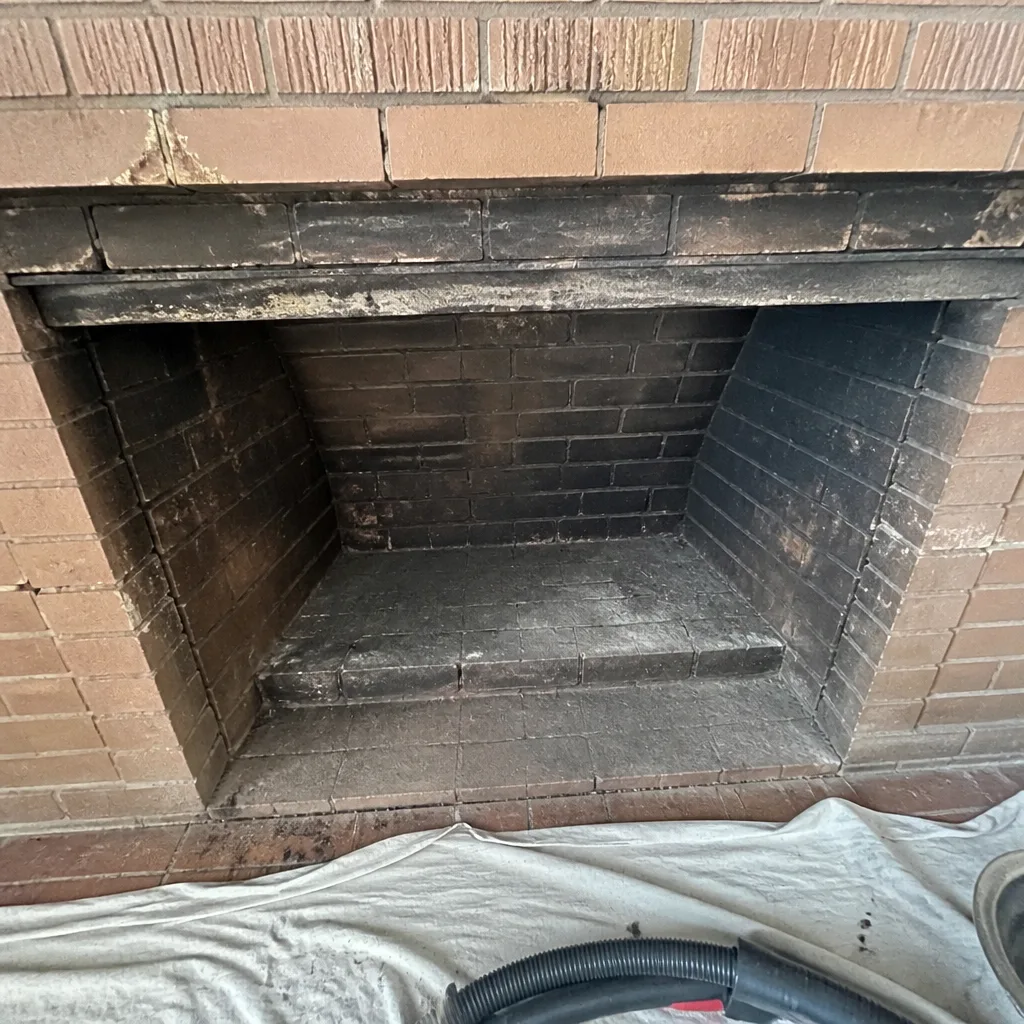 Before
 After
 Before
 After
When to Call a Professional
Some situations clearly call for a trained technician. If you smell a strong odor from the fireplace even when it’s not in use, that’s a sign of creosote buildup or a draft problem. If smoke backs into the room when you light a fire, the flue may be blocked or the draft compromised. If you see cracked or missing mortar on the chimney exterior, water is likely getting in. If the firebox or damper is damaged, or if it’s been more than a year since the last sweep, book an inspection.
Gas fireplaces need attention too. A gas appliance that’s venting poorly can produce carbon monoxide, and that’s not a hazard you can detect by smell. Any gas fireplace should be inspected on a regular schedule, and any sign of soot, condensation, or a lazy flame is a reason to call.
Chimney Sweep Murray offers free estimates in Murray. Call (855) 616-0935. We answer 24/7. Fast dispatch from 7am to 7pm, Sunday through Friday.
Frequently Asked Questions
A standard chimney sweep in Murray typically runs $150 to $300, depending on the flue configuration and whether an inspection is included. Liner resurfacing or replacement runs higher, usually $1,500 to $4,000 or more depending on the system and materials. The written estimate sets the final price, and estimates are free. Call (855) 616-0935 for an exact quote.
You need a new liner only if the existing one is damaged, improperly sized, or missing, and a camera inspection should show you the evidence before anyone recommends replacement. Many chimneys that get quoted for a full liner can be repaired with HeatShield resurfacing instead, which is less invasive and often less expensive. Ask to see the footage, and ask whether resurfacing is an option. Call (855) 616-0935 to book an inspection.
A wood-burning chimney should be swept once a year, or more often if you burn heavily. Gas appliances should be inspected annually as well, even though they produce less creosote, because venting problems are the main risk. The best time to book in Murray is before the burning season starts, so any repair found has time to be completed. Call (855) 616-0935 to schedule.
Skipping a sweep lets creosote build up, and creosote is what fuels chimney fires. It also means a cracked crown or gapped liner goes unnoticed, which lets water and heat reach places they shouldn’t. The risk compounds quietly. A yearly inspection is cheap compared to the repair it prevents. Call (855) 616-0935 for a free estimate.
You can hire a clean-only company, but you’ll need a second contractor the moment the inspection finds a problem, and that handoff is where quality gets lost. A full-service company diagnoses and repairs in-house, so the person who finds the issue is the person who fixes it. That single-company accountability matters most on structural work.
Ask for CSIA certification on the technician doing the work, and NFI certification if you have a gas appliance or wood stove. Also confirm general liability and workers’ compensation insurance. A business license alone tells you very little in this trade.
The Bottom Line
Hiring a chimney contractor in Murray comes down to evidence and accountability. Verify CSIA certification, confirm insurance, and insist on camera footage before authorizing any repair. Ask whether the company can diagnose and fix problems in-house, and read reviews for repair work, not just cleanings. A contractor who shows you the problem and tells you when work can wait is the one to trust; one who quotes a four-figure repair on a verbal claim is the one to walk away from. The written estimate sets the price, and estimates are free. Call (855) 616-0935. We answer 24/7. Fast dispatch from 7am to 7pm, Sunday through Friday.
Written by the team at Chimney Sweep Murray.