
Last updated November 24, 2026
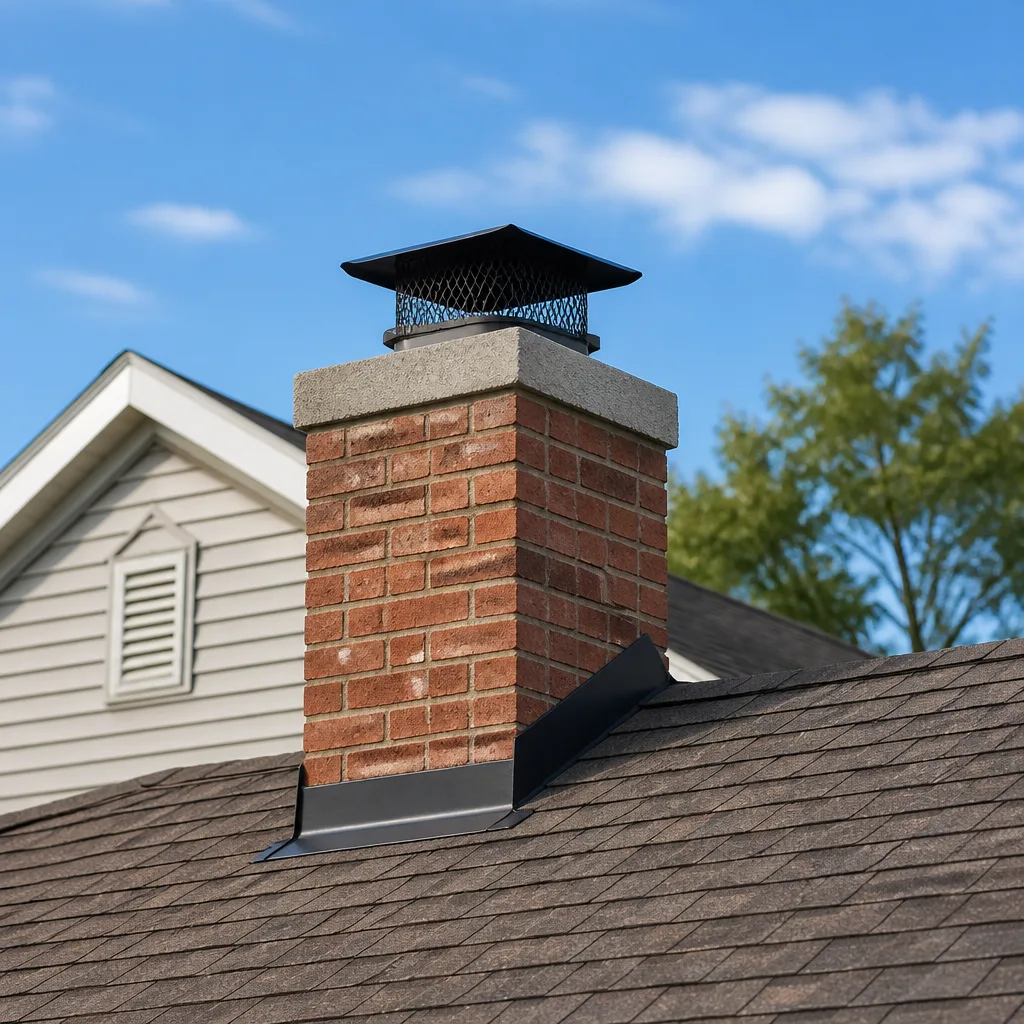 Sweep & inspection
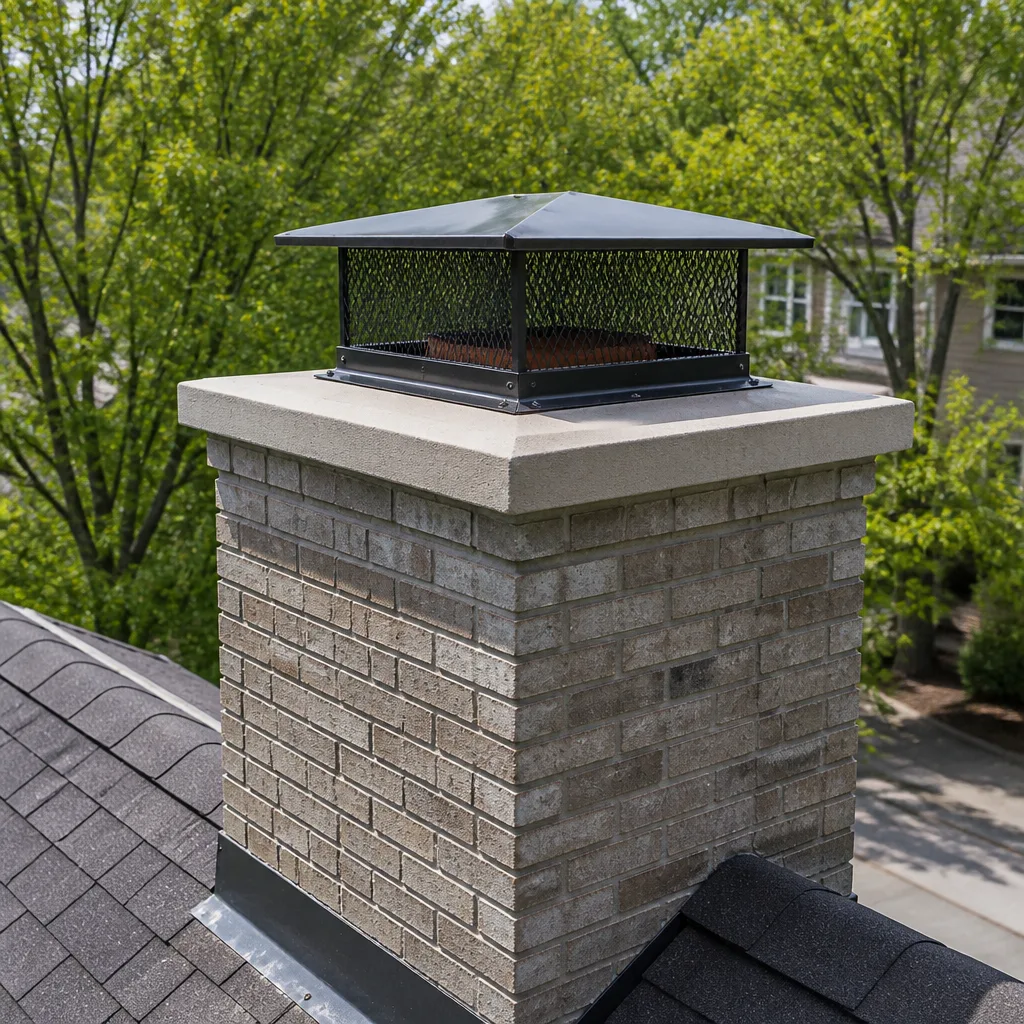 Caps & crowns
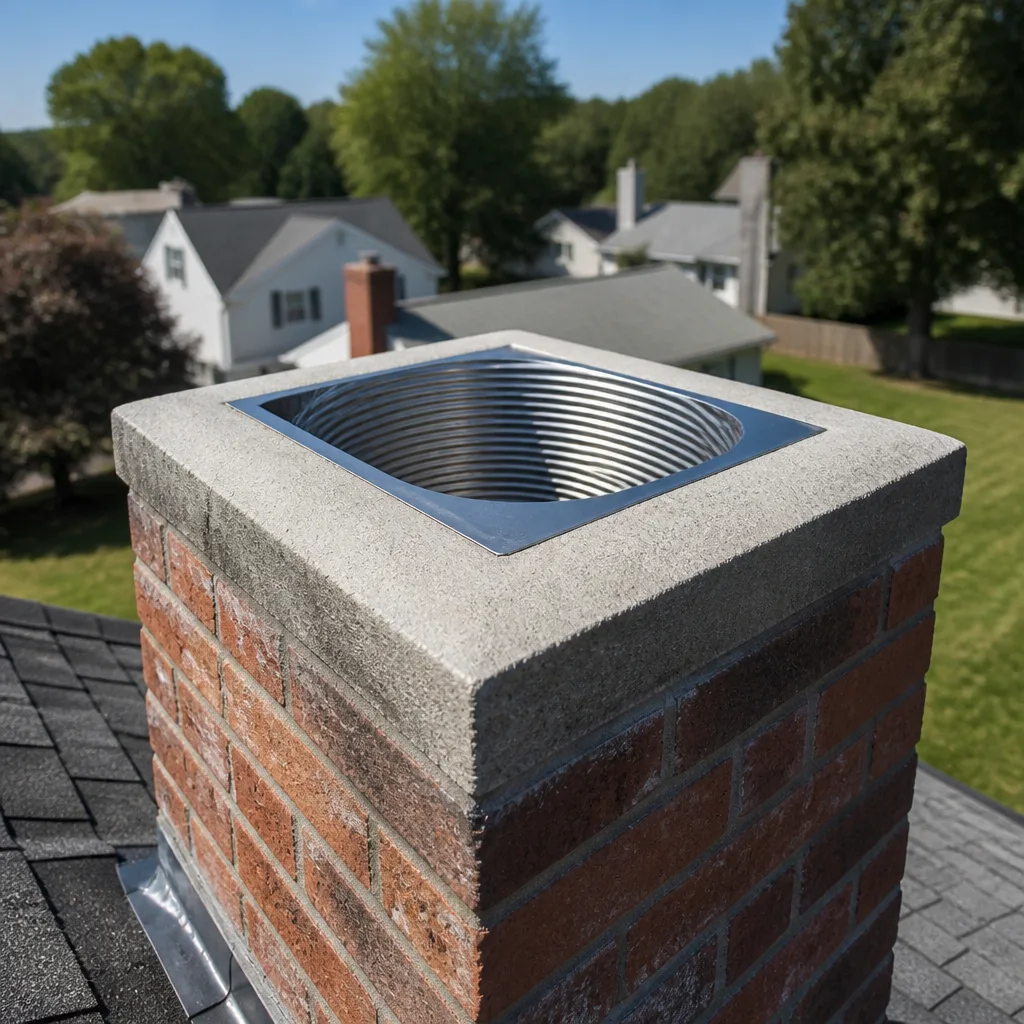 Flue relining
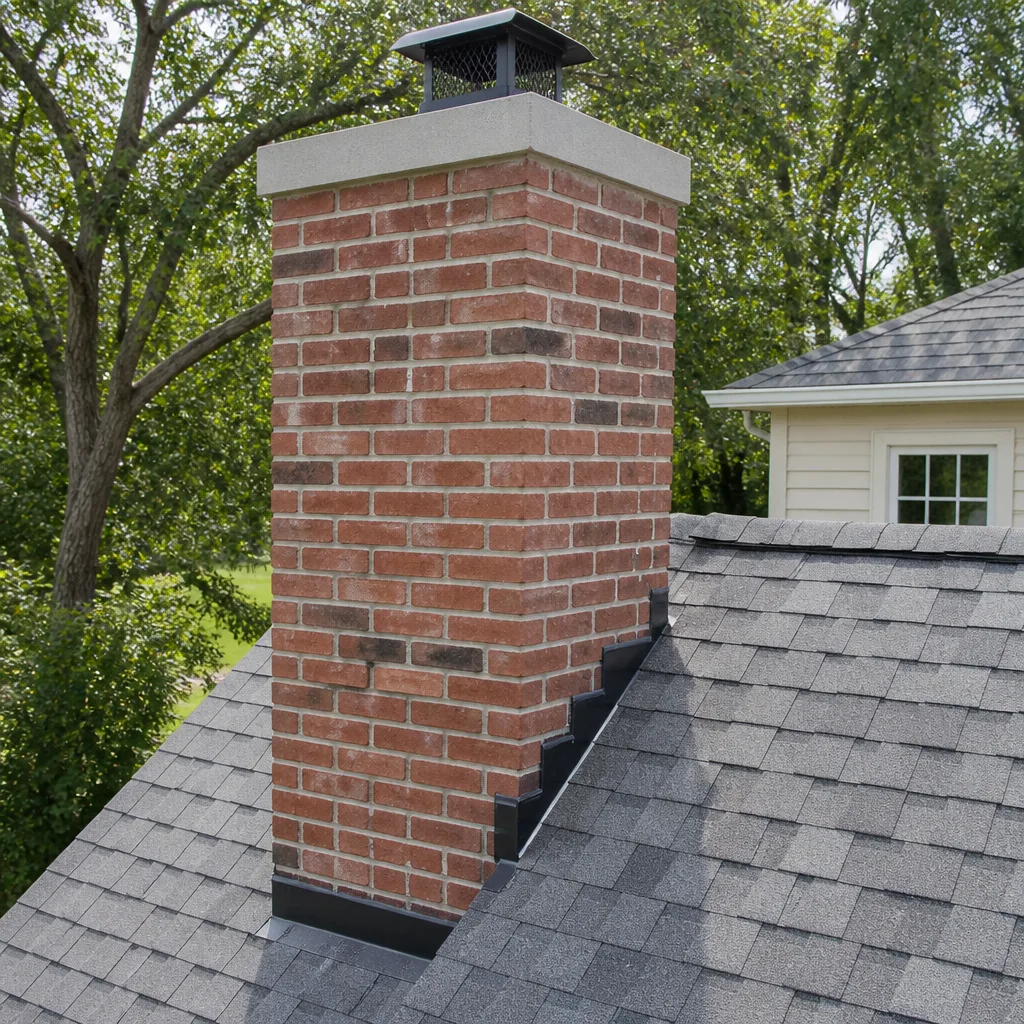 Masonry repair
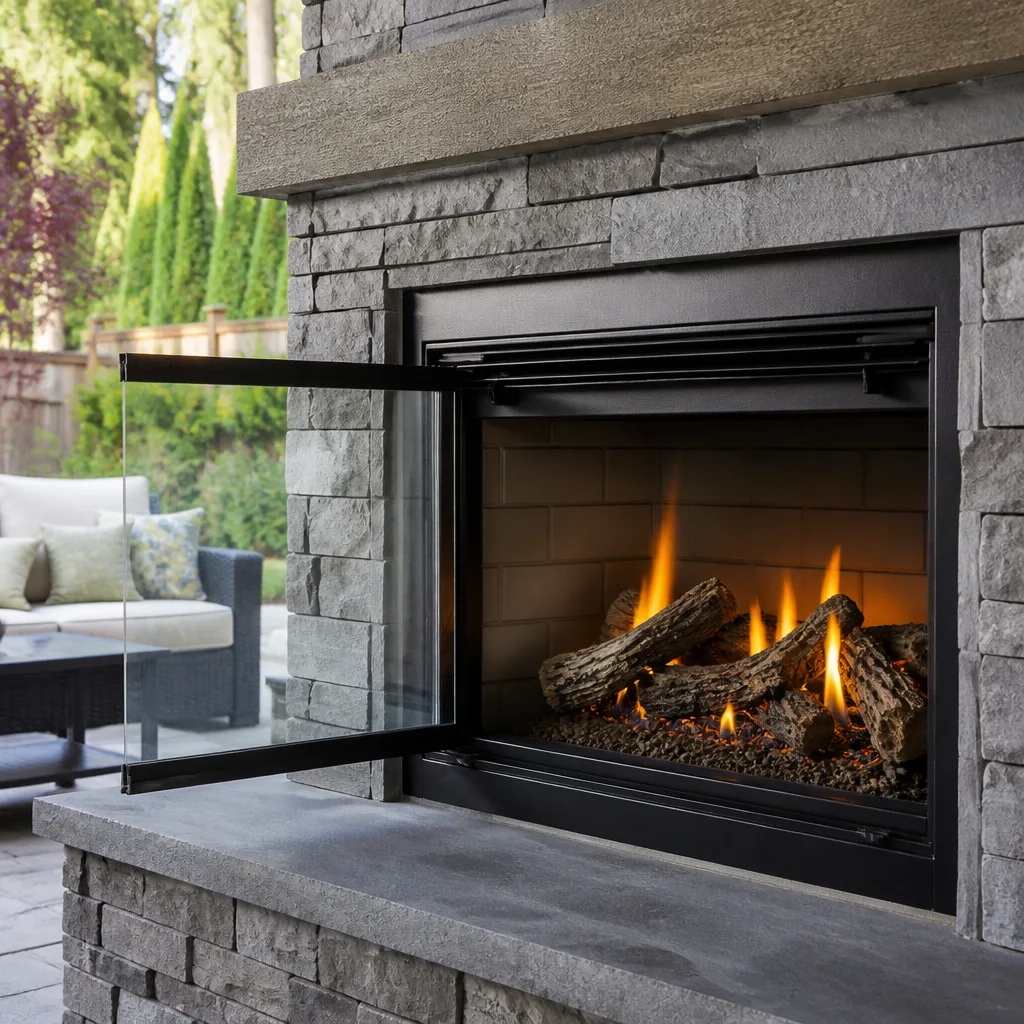 Gas fireplace service
Level 1 sweep and inspection to the NFPA 211 annual standard - flue, crown, cap, and flashing checked and photographed
Chimney sweep logs do not sweep chimneys. They loosen some creosote - which then falls where a brush and vacuum still have to collect it.
Chimney Cleaning Permits, Codes & Inspections in Murray, UT: What You Need to Know
Here’s the part most Murray homeowners never hear: a chimney sweep usually needs no permit at all, but the moment a contractor replaces your liner, changes the appliance, or rebuilds masonry, that work falls under Salt Lake County’s residential code and Utah’s adoption of the International Residential Code. A liner installed without a permit is officially unpermitted work, and that can complicate an insurance claim after a chimney fire and create a disclosure problem when you sell. This guide draws the line between routine maintenance and regulated work, explains what a Level 2 inspection is legally required for, and shows you how to check permit history on your own property before you hire anyone in Murray.
Quick Answer
In Murray, a routine chimney cleaning and minor repairs like a cap or a crown generally don’t require a permit, but liner installation, relining, appliance changes, and structural masonry work do require a permit through Salt Lake County. Utah has adopted the International Residential Code, including its chimney chapter, alongside NFPA 211, and the local amendments layered on top set the inspection standard. When in doubt, call the county building department and ask before work starts.
Styles & brands we work with
- Sweep & inspection
- Caps & crowns
- Flue relining
- Masonry repair
- Gas fireplace service
Table of Contents
- Where Murray Draws the Line: What Needs a Permit and What Doesn’t
- How Utah’s Adoption of the IRC and NFPA 211 Work Together
- What a Level 2 Inspection Is Legally Required For
- How to Check Permit History on Your Murray Property
- What “Code Compliant” Really Means for Older Murray Homes
- The Three Levels of Chimney Inspection, Explained
- Questions to Ask Before You Hire Anyone in Murray
- Why Murray’s Climate Makes Chimney Condition Matter
Where Murray Draws the Line: What Needs a Permit and What Doesn’t
The cleanest way to think about it: permits follow the chimney’s structure and its connection to the appliance, not the soot inside it. A sweep removes creosote and doesn’t change the chimney system. A liner installation does change it, and that’s where the county gets involved.
Work that typically does not require a permit in Murray:
- Routine chimney sweep and creosote removal
- Level 1, 2, or 3 inspections
- Chimney cap installation
- Minor crown repair or crack sealing on an existing crown
- Replacing a damper of the same type
- Minor fireplace repair that doesn’t alter the firebox or flue
Work that typically does require a permit through Salt Lake County:
- Liner installation or relining, including flexible liner systems and cast-in-place resurfacing
- Changing the appliance, such as converting from wood to gas or swapping a stove
- Structural masonry repair or rebuild of the chimney itself
- Altering the height, footprint, or termination of the chimney
- Adding a new chimney or flue where none existed
This is where things get murky for Murray homeowners, because the boundary between “minor repair” and “structural” isn’t always obvious from the outside. Rebuilding the top few courses of a chimney crown is one thing. Rebuilding the chimney from the roofline up after water damage is another. In our experience, the safest move is a phone call to the county before work begins, especially if the job involves the liner or the masonry. The permit itself is usually the cheap part. The consequences of skipping it are what cost you.
One more piece worth knowing: work that’s done without a permit doesn’t become permitted just because it looks fine afterward. It stays unpermitted, and that label travels with the property.
How Utah’s Adoption of the IRC and NFPA 211 Work Together
Utah has adopted the International Residential Code, and Chapter 10 of that code covers chimneys and fireplaces. Running alongside it is NFPA 211, the national standard for chimneys, fireplaces, vents, and solid fuel appliances. If you’ve ever wondered why two sets of rules seem to apply, this is why.
Think of the IRC as the building code and NFPA 211 as the technical standard the code defers to. The IRC tells you a chimney must be constructed and installed per the manufacturer’s listing and the referenced standard. NFPA 211 is that referenced standard. In practice, a Murray inspector or contractor evaluating your chimney is usually working from both at once.
Salt Lake County then layers on local amendments, which is where specific inspection thresholds, clearance requirements, and permit procedures get settled. Those amendments are what make the process Murray-specific rather than generic. The county is the authority having jurisdiction, meaning it’s the entity that decides whether work meets code and issues the permit.
For homeowners, here’s the practical translation:
- Installation standard: set by the IRC and the manufacturer’s listing
- Inspection and maintenance standard: set by NFPA 211
- Permit process and enforcement: set by Salt Lake County
When a contractor tells you “it’s up to code,” the fair follow-up question is: up to code under which standard, and was it inspected? A proper installation should meet the IRC and the manufacturer’s listing. A proper inspection should follow NFPA 211. And if the job touches the liner or structure, the county should have signed off on it.
We work to all three every time we touch a chimney. When we install a DuraFlex flexible liner in a flue with an awkward offset, that’s an IRC-compliant installation per the manufacturer’s listing, and the paperwork trails behind it. That’s the expectation worth holding any contractor to in Murray.
What a Level 2 Inspection Is Legally Required For
A Level 2 inspection is the standard inspection that includes a visual exam of accessible areas, the attic, and the roof, plus a video scan of the interior of the flue. Under NFPA 211, a Level 2 inspection is required in specific situations, not just whenever someone feels like selling you one.
A Level 2 inspection is required when:
- The appliance changes, such as converting from wood to gas or replacing a stove
- The property changes hands, meaning a home sale or transfer
- An operating malfunction has occurred, such as a chimney fire or a sudden draft problem
- The chimney has been subjected to an external event, like an earthquake or a lightning strike near the structure
- A Level 1 inspection turned up evidence that a closer look is needed
The home-sale trigger is the one Murray homeowners get caught by most often. If you’re buying or selling a home with a wood-burning fireplace, a Level 2 inspection is the appropriate standard, and a seller who can’t produce one is handing the buyer a reason to ask for credits or repairs.
The appliance-change trigger matters for another reason. Swapping to a gas insert without resizing the flue or confirming the liner’s condition is exactly the kind of work that needs a permit and a Level 2 inspection together. The permit protects you legally. The inspection protects you mechanically. They’re not the same thing, and you can’t substitute one for the other.
A Level 2 inspection also discovers problems a camera-less look would miss: gaps in clay tile joints, cracked flue liners, offset flues that were never properly sealed, and the telltale third-degree damage that a past chimney fire left behind. In our experience, the video scan is what changes the conversation. It’s hard to argue with a photo of a cracked tile joint in your own flue.
When a chimney sweep in Murray tells you a Level 2 inspection is required, that’s accurate in these circumstances. When someone tells you it’s required as part of every cleaning, that’s a sales pitch, and a good inspector will tell you the difference.
How to Check Permit History on Your Murray Property
You can check permit history on your own property through Salt Lake County’s online permit portal without any special access. This is worth doing before you buy a Murray home, and after any contractor finishes work that should have been permitted.
Here’s the process:
- Find your parcel number. Your property tax notice or the county assessor’s site will list it.
- Search the county permit portal. Use the parcel number or your property address. The portal typically lets you search by address or parcel.
- Look specifically for chimney, flue, or fireplace permits. A liner installation around ten or fifteen years ago should have a record. If it doesn’t, that’s a flag.
- Check the final inspection status. A permit that was pulled but never finalized is a common problem, and it’s worth asking the contractor why.
- Request documentation from the contractor. If work was done recently, ask for the permit number and the final inspection date. A legitimate contractor will have both.
If you find unpermitted chimney work on your own property, you have two general paths. One is to disclose it to a buyer and let them price it in. The other is to have it permitted retroactively, which usually means a contractor pulling a permit and the work getting inspected. Some work can be retroactively permitted. Some work can’t be, and the liner has to come out and be redone.
This is the reason we ask for permit history before we quote anything structural. A liner that was never inspected is an unknown quantity, and pricing a repair around an unknown gets everyone into trouble. When you’re ready to sort out what’s on your property, call (855) 616-0935 and we’ll walk through the history with you.
What “Code Compliant” Really Means for Older Murray Homes
Most Murray homes built before the 1990s have original clay-tile liners in their masonry chimneys, and “code compliant” means something specific for that construction. It doesn’t mean the liner was installed wrong at the time. It means the liner has to be intact, properly sized for the appliance, and free of gaps or cracks to be compliant today.
Clay tile has real limits. It’s brittle, it doesn’t flex, and it can crack under a chimney fire or a sudden temperature swing. When tiles crack, they create gaps that flue gases and creosote can work behind, and the chimney loses its containment. A cracked clay tile liner is one of the most common findings we see in older Murray homes.
For pre-1990s masonry chimneys, code compliance generally involves these checks:
- Liner integrity: every tile joint sound, no cracks, no gaps. This is where a video scan earns its place.
- Sizing: the flue matched to the appliance. A flue that’s too large for the appliance drafts poorly. A flue that’s too small is a problem too.
- Clearances: the required clearance between the chimney and combustible framing, usually checked in the attic.
- Crown and cap: the crown shedding water off the chimney, and a cap keeping rain and animals out.
- Crown-to-flue seal: the bond between the top of the flue and the crown itself, which is where water gets in first.
When the liner needs repair, there are generally two paths. A full reline, which we often do with a DuraFlex flexible liner for complex flue configurations that rigid liners can’t navigate. Or liner resurfacing, which we do with HeatShield, a cast-in-place method that restores the existing flue’s surface rather than replacing the whole liner. Resurfacing is a specialized repair most sweep-only companies don’t offer, and it can be the right answer when the tile is sound enough to hold the coating.
What “code compliant” does not mean is that the chimney has to be rebuilt. A lot of older Murray chimneys need repair, not replacement. The job is to find out which one you’re facing before anyone quotes you a rebuild.
The Three Levels of Chimney Inspection, Explained
NFPA 211 defines three inspection levels, and knowing which you need matters as much as knowing which code applies. The level isn’t up to whoever shows up. It’s set by what’s happening with the chimney.
Level 1 inspection: the basic inspection done as part of a routine annual sweep. It covers accessible portions of the chimney, the firebox, and the readily visible parts of the flue. If nothing has changed and the chimney has been in service normally, a Level 1 is appropriate.
Level 2 inspection: the inspection for a change in condition. It includes everything in a Level 1 plus accessible attic and roof areas, and a video scan of the flue. Required after an appliance change, a home sale, a fire, or an external event.
Level 3 inspection: the inspection of last resort. It’s used when a Level 1 or 2 turns up a specific concern that can only be answered by opening up a wall or removing part of the chimney. A Level 3 is targeted, not general, and it’s not something a routine sweep should ever escalate to without a documented reason.
Where this gets practical in Murray: the level of inspection you need is tied to what changed, not to how much time has passed. If you’ve been in your home for a while, kept up with sweeps, and nothing has changed, a Level 1 is usually enough. If you’re converting, buying, selling, or had a chimney fire, you need a Level 2.
We recommend matching the inspection level to the situation and nothing more. Up-selling a Level 2 on a home that just needs a sweep is a bad sign, and homeowners should feel free to ask why a higher level is being recommended.
Questions to Ask Before You Hire Anyone in Murray
The right questions in the first phone call will save you a lot of trouble later. Here’s what’s worth asking, and what a good answer sounds like.
Will this work require a permit? A straight answer here tells you a lot. If the work involves the liner, the appliance, or the masonry, the answer should be yes. A contractor who says “we don’t usually bother with that” is telling you something.
Will you show me the video scan of my flue? A proper Level 2 inspection includes a video scan, and the scan should be yours to see. A contractor who won’t show it is asking you to trust a conclusion you can’t verify.
What’s the exact scope of the repair, and can it wait? A good contractor will tell you plainly when work can safely wait and when it can’t. Not everything needs to be done this week.
What brands and materials will you use? We work with DuraFlex, HeatShield, Gelco, Olympia Chimney, and Famco, all professional-grade brands sourced from the same suppliers the industry relies on. Generic hardware-store components aren’t a fair comparison to proper chimney materials.
Is the price the price? You should get a written estimate before work begins, and that estimate should hold. We call it a flat-price scope agreed before booking, and it’s the only way to quote a chimney job honestly.
Will you handle the permit and the final inspection? If the job needs a permit, the contractor should know the process. That includes the final inspection.
We can handle the full scope, from sweep and inspection through chimney repair and cap and crown installation, so there’s no handoff to a second contractor. That’s not a sales angle so much as a practical one: when one company diagnoses the chimney and does the structural work, there’s no finger-pointing when something goes wrong.
Why Murray’s Climate Makes Chimney Condition Matter
Murray sits in the Salt Lake Valley at the foot of the Wasatch, and the valley’s winters are cold enough to make the fireplace a real working appliance. That matters because a chimney in a cold climate cycles through repeated freeze-thaw cycles every season. Water gets into a crack, freezes, expands, and opens the crack a little wider. Repeat that over years and the crown, the mortar joints, and the tile liner all take damage on a schedule the chimney’s original builder never had to plan for.
There’s a second factor specific to the valley. Winter inversions trap cold air and combustion byproducts close to the ground for days at a time, and during those stretches the chimney is working against an unusual draft environment. A chimney with a cracked liner or a compromised crown is not the one to rely on during an inversion. It’s during those stretches that the condition of the flue matters most.
Sweeping before the burning season starts is the simple preventive step. Getting an inspection done in the same visit is the step a lot of Murray homeowners skip. The two are not the same job. Sweeping removes what’s in the flue. Inspection tells you what the flue is actually made of and whether it’s still holding together. A chimney can pass a sweep and fail an inspection, and that’s the one that catches people.
If your fireplace hasn’t been looked at in a while, a single visit that covers both is the efficient answer. Call (855) 616-0935 to book a sweep and an inspection together, and we’ll tell you what we find with the photos to back it up.
Common Mistakes to Avoid
- Accepting a liner replacement without asking about the permit. A replacement liner in Salt Lake County is permitted work. If a contractor doesn’t pull one, that work stays unpermitted and can complicate insurance and resale.
- Skipping a Level 2 inspection when buying or selling a Murray home. A Level 2 is standard for a property transfer and is the buyer’s chance to see what the flue actually looks like. Skipping it puts the cost on the buyer.
- Trusting a “code compliant” claim without seeing the video scan. A claim is not evidence. The scan is. Ask to see it, and if the contractor won’t show it, ask why.
- Assuming a sweep and an inspection are the same thing. A sweep cleans the flue. An inspection evaluates it. A chimney can pass one and fail the other, and the difference matters before you burn.
- Hiring a general handyman for liner work. Liner installation involves code compliance, proper sizing, and material listing, and a generalist isn’t equipped to meet those standard practices.
- Retrofitting a gas appliance without resizing the flue. Swapping to gas without checking sizing and drafting is a common misstep, and it usually surfaces as a problem in the first cold stretch of the year.
- Waiting until the first snow to book anything. Murray’s burning season starts before the snow falls, and the calendar fills as the weather turns. A sweep and inspection done before the season starts is the comfortable option.
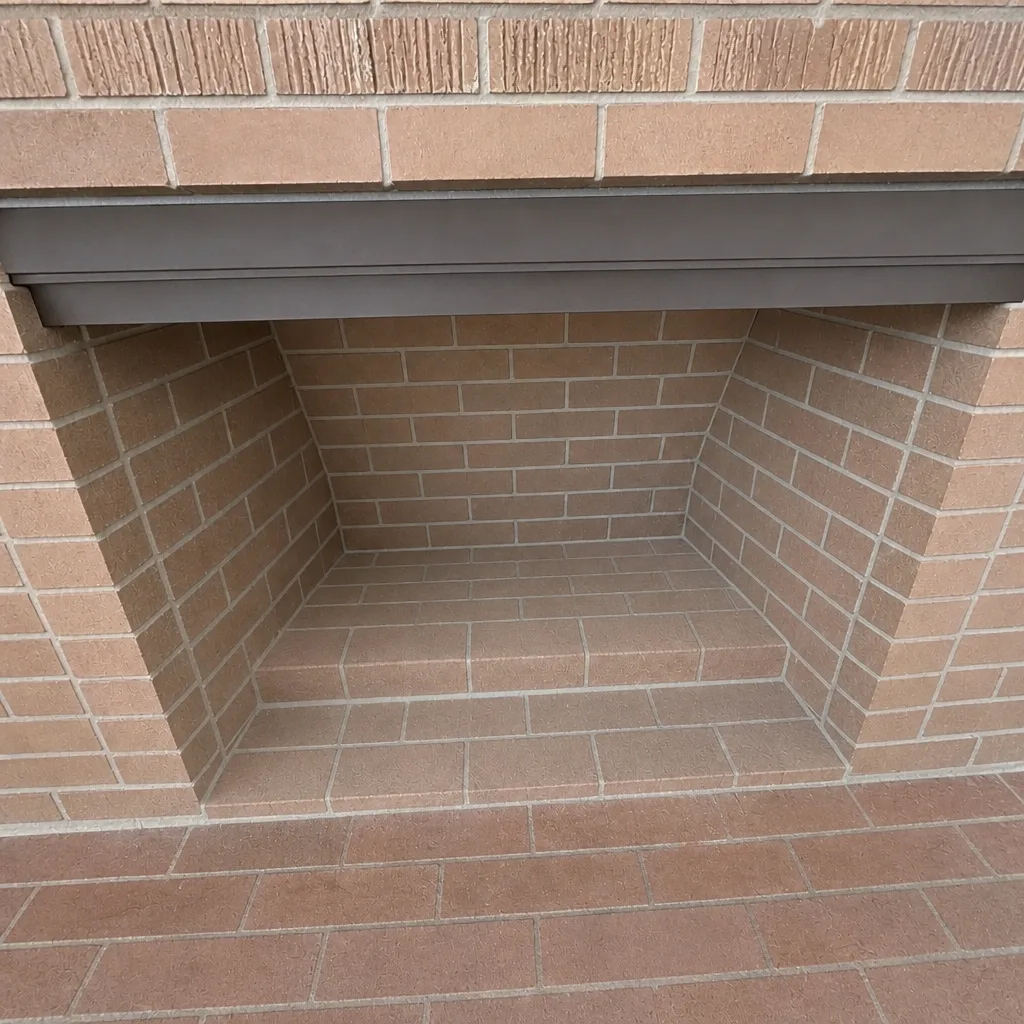
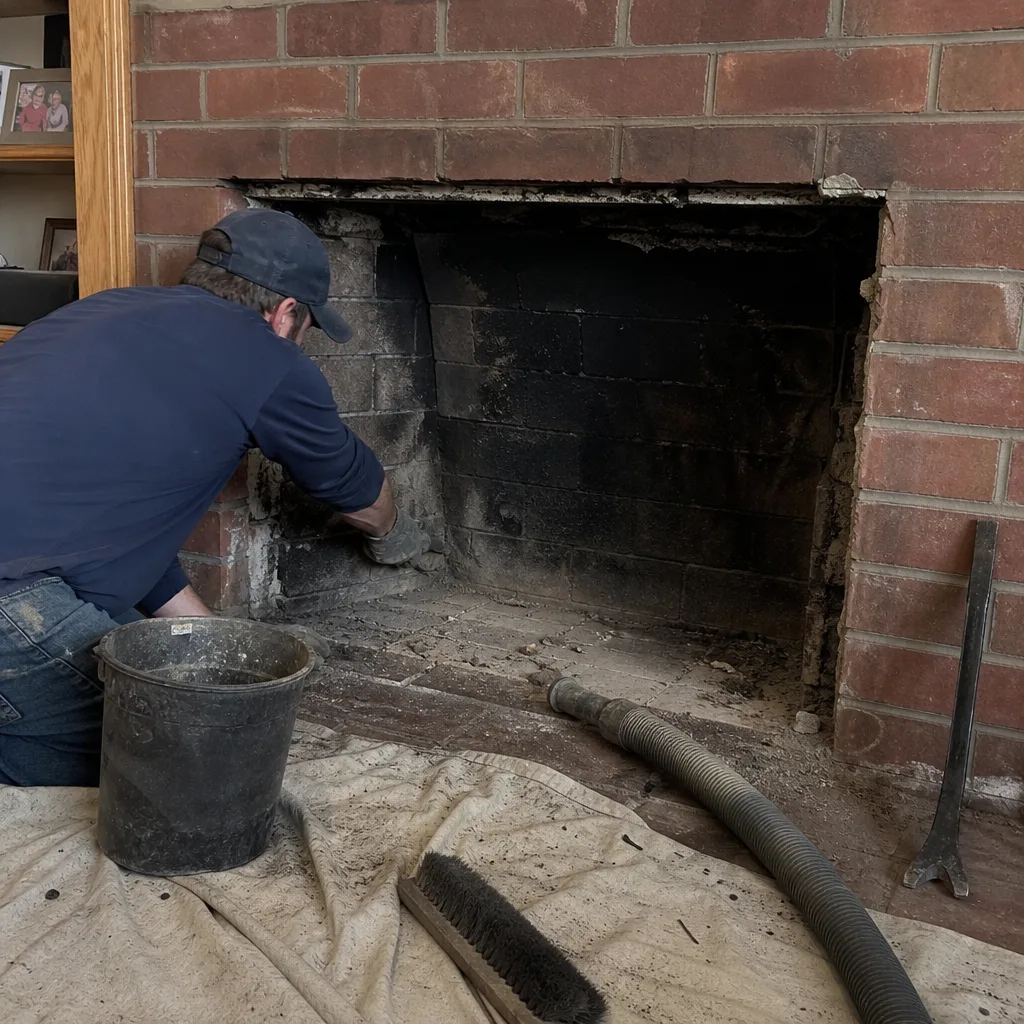
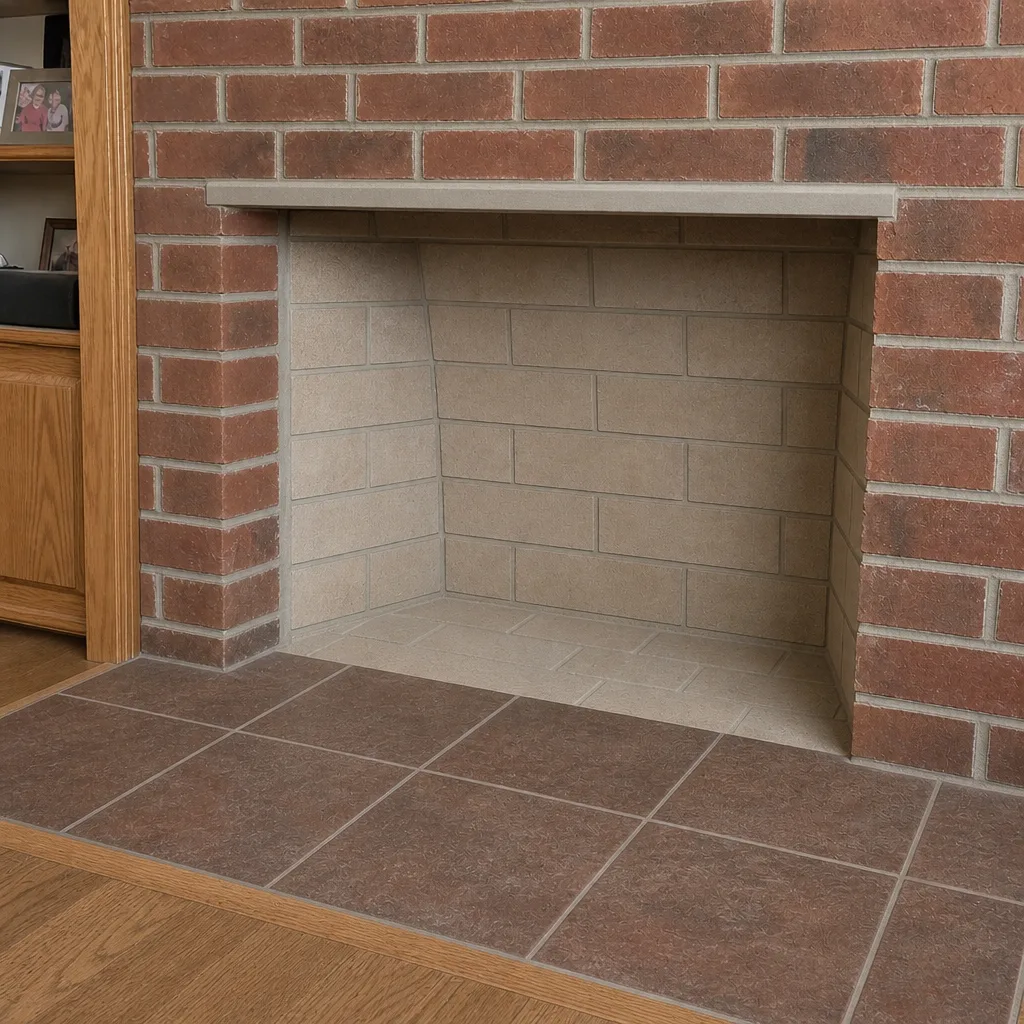
See the difference
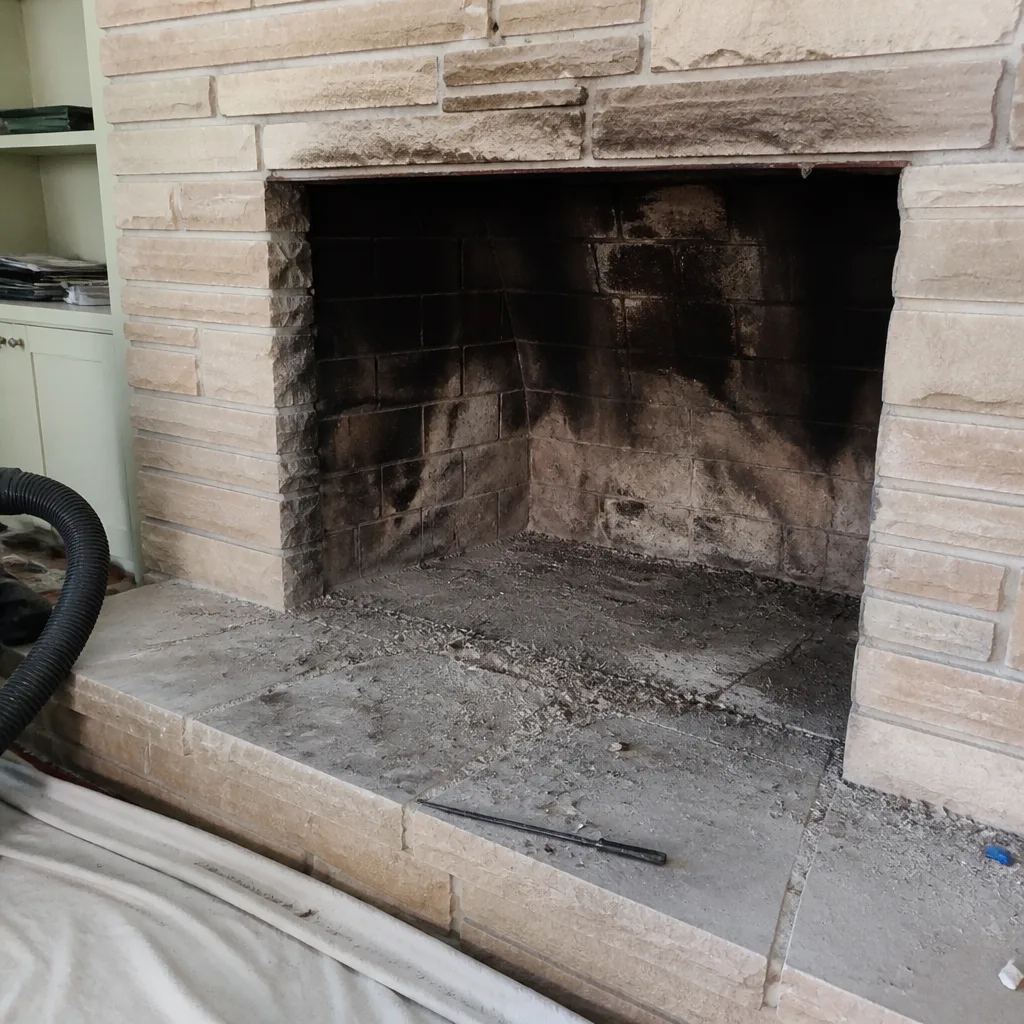 Before
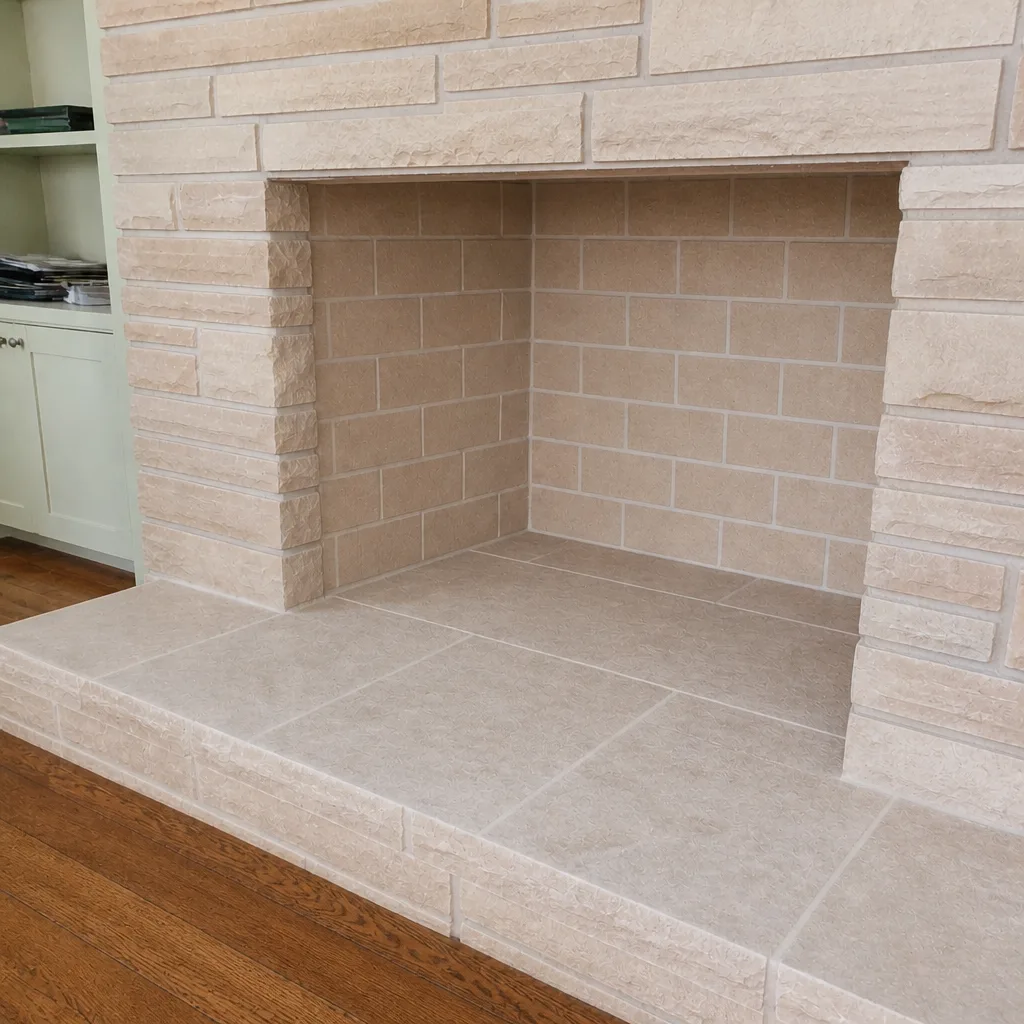 After
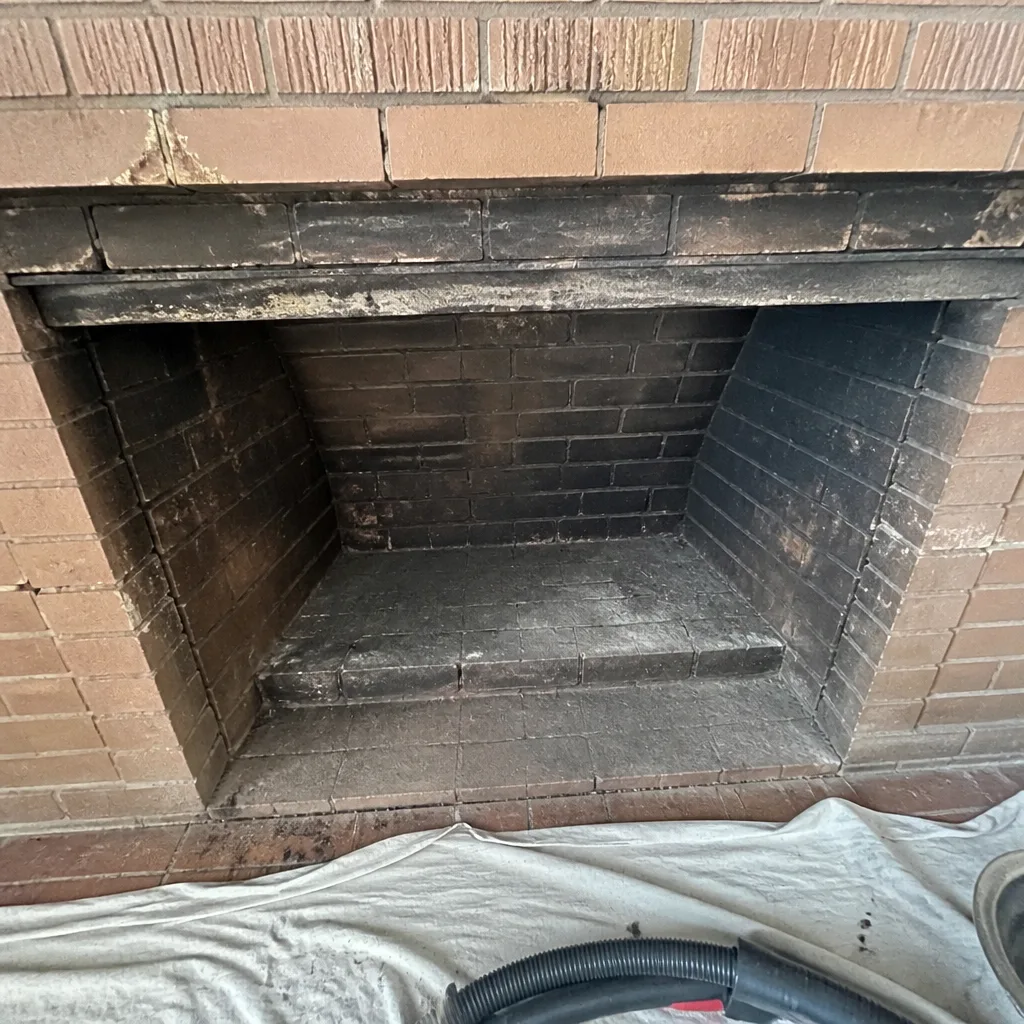 Before
 After
 Before
 After
When to Call a Professional
Call a professional when the work touches the flue, the liner, the firebox, or the masonry. That means a cracked tile liner you can see, a chimney fire you know happened, a draft that’s gotten noticeably worse, water staining on the fireplace or the ceiling near the chimney, or a planned appliance change. Call too if you’re buying or selling a Murray home with a wood-burning fireplace, since a Level 2 inspection is standard for a property transfer and a seller without one is handing the buyer a bargaining chip.
If you’re not sure whether your situation crosses that line, that’s exactly the call to make. We can work with your insurer on documentation, we include a video scan and photos with a Level 2 inspection so you can see what we see, and we won’t recommend work that can safely wait. Chimney Sweep Murray offers free estimates in Murray. Call (855) 616-0935. We answer 24/7. Fast dispatch from 7am to 7pm, Sunday through Friday.
Frequently Asked Questions
No, a routine chimney cleaning in Murray doesn’t require a permit. Sweeping removes creosote and doesn’t change the chimney system, so the county isn’t involved. If the visit turns into a liner replacement or a structural repair, that’s when a permit comes into play.
Yes, a liner replacement is permitted work in Salt Lake County, along with appliance changes and structural masonry repair. A contractor who installs a liner without pulling a permit leaves you with unpermitted work on the property, which can complicate insurance and resale. Call (855) 616-0935 if you need help sorting out what was permitted on your Murray home.
A Level 2 inspection is required when the appliance changes, when the property transfers to a new owner, after a chimney fire or operating malfunction, and after an external event like an earthquake. It’s also the right call when a Level 1 inspection turns up something that needs a closer look. The standard comes from NFPA 211, not from a contractor’s preference.
Search Salt Lake County’s online permit portal by your address or parcel number and look for chimney, flue, or fireplace permits. Check the final inspection status, since a pulled-but-unfinished permit is a common finding. You can also ask the contractor who did the work for the permit number and the final inspection date.
For an older masonry chimney, code compliant means the original clay-tile liner is intact and properly sized, clearances to combustibles are correct, and the crown and cap are shedding water properly. It doesn’t mean the chimney has to be rebuilt. A lot of older chimneys in Murray need repair, not replacement, and a video scan tells you which one you’re looking at.
Sometimes, yes. HeatShield resurfacing restores the liner’s interior surface when the tile is sound enough to hold the coating, and it’s a specialized method most sweep-only companies can’t offer. When the tile is too far gone, a full reline with a flexible liner system is the durable answer. The scan decides which path makes sense.
The Bottom Line
The line in Murray is between maintenance and regulated work. Sweeping, inspections, caps, and minor repairs generally don’t need a permit. Liner installation, appliance changes, and structural masonry do, and that’s where the International Residential Code, NFPA 211, and Salt Lake County’s amendments all come together. A Level 2 inspection is legally required after an appliance change, a home sale, a chimney fire, or an external event, and it’s the inspection that gives you a video record of what’s actually in your flue. If you’re checking on the history of your own chimney, or you want to know whether the work you’re being quoted crosses that line, we’ll tell you plainly. Call (855) 616-0935 for a free estimate.
Written by the team at Chimney Sweep Murray.