
Last updated November 24, 2026
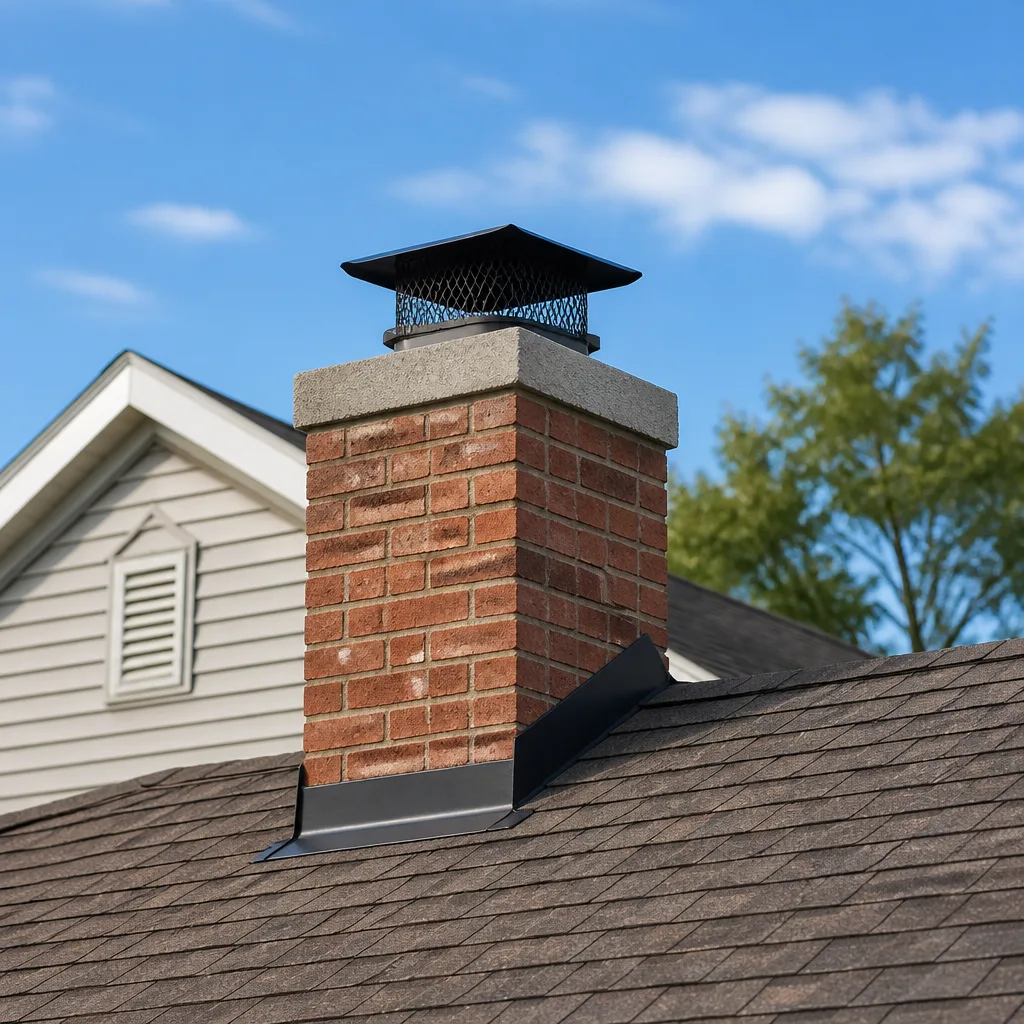 Sweep & inspection
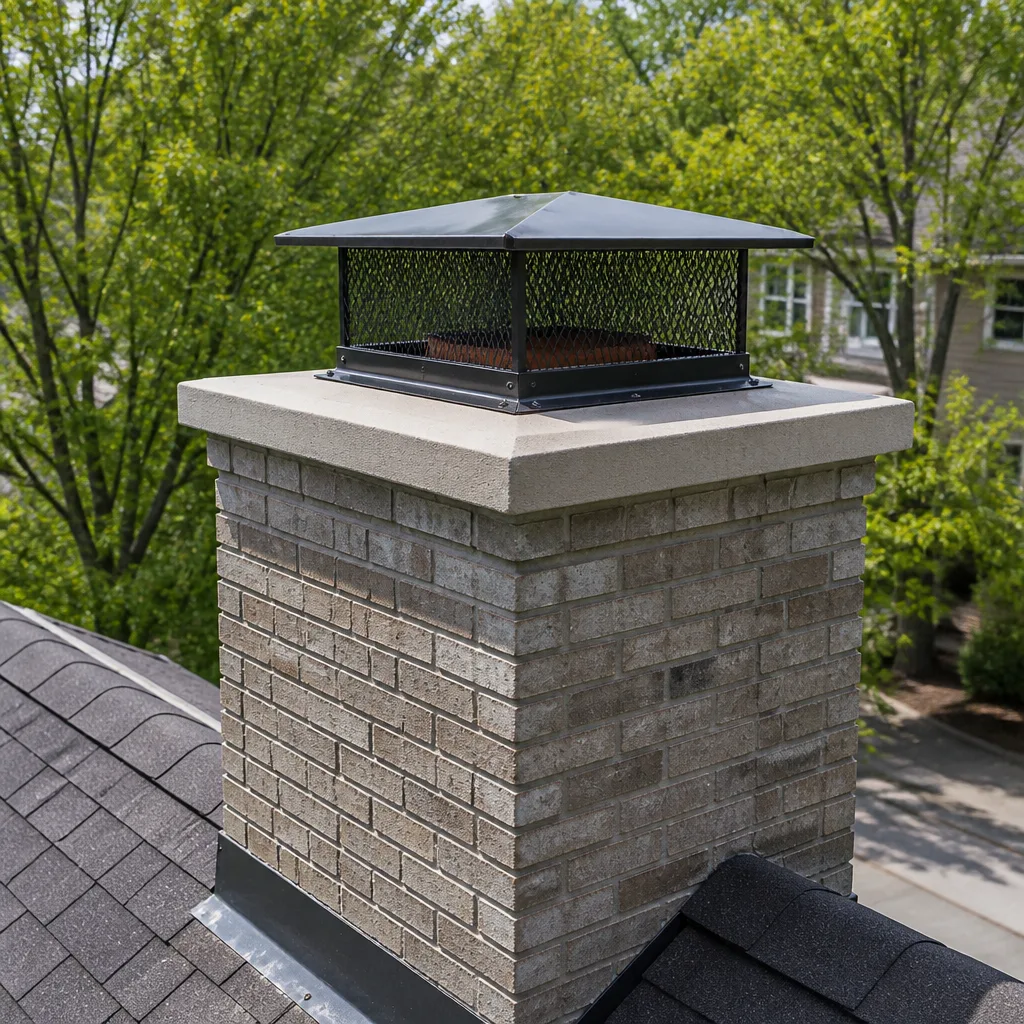 Caps & crowns
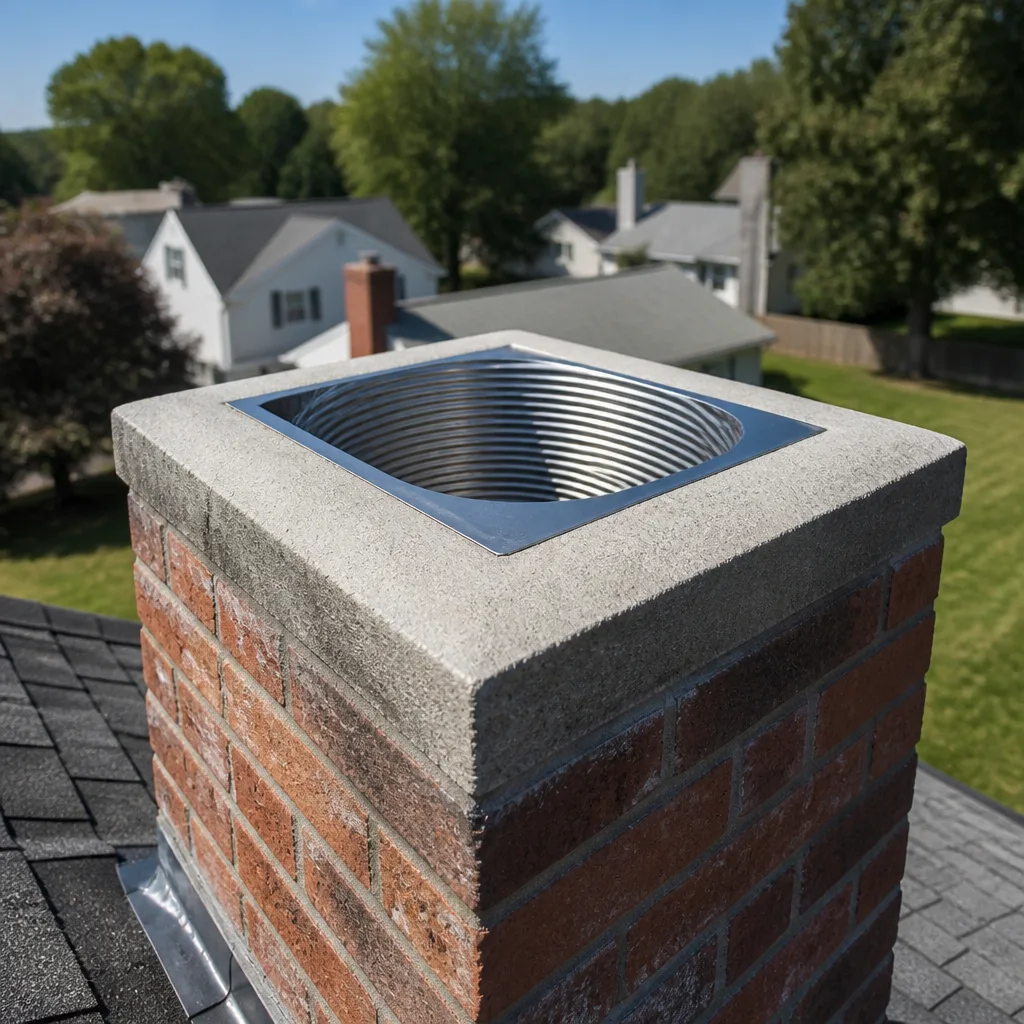 Flue relining
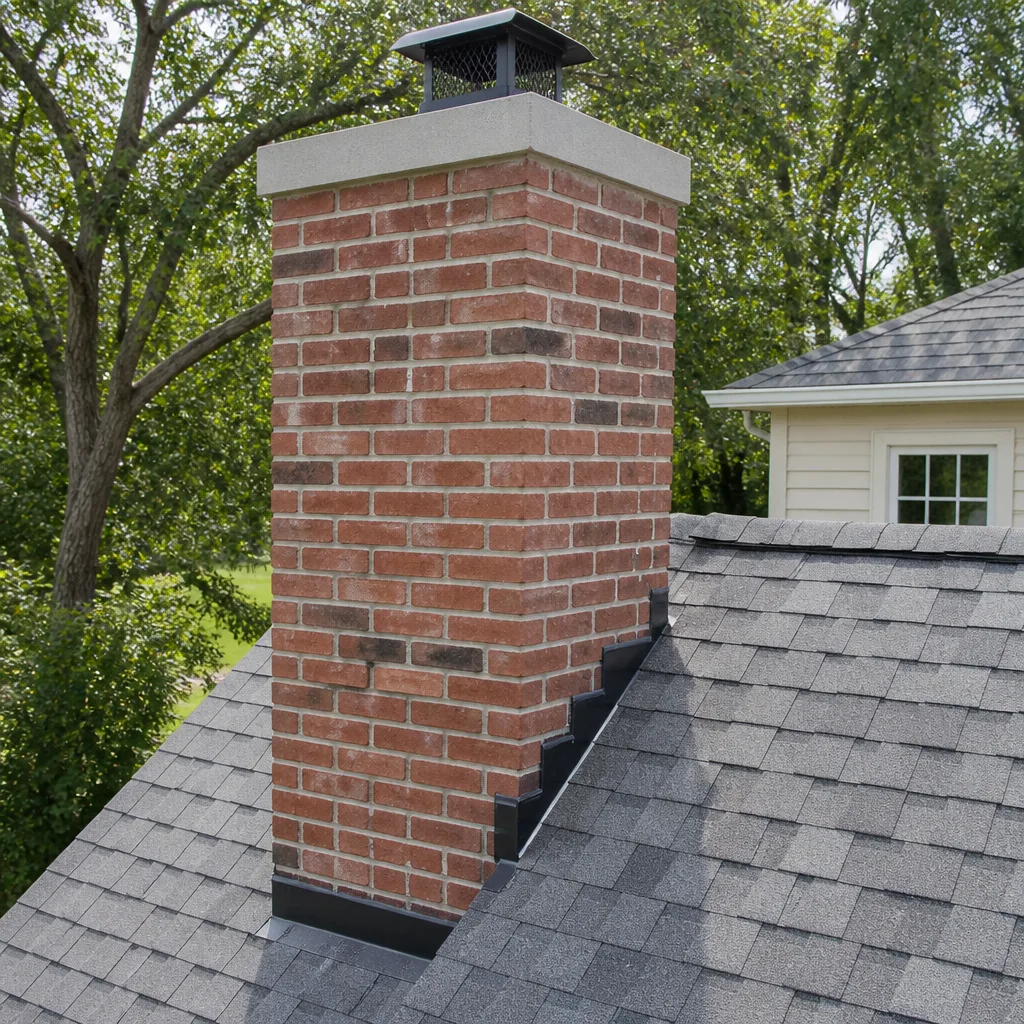 Masonry repair
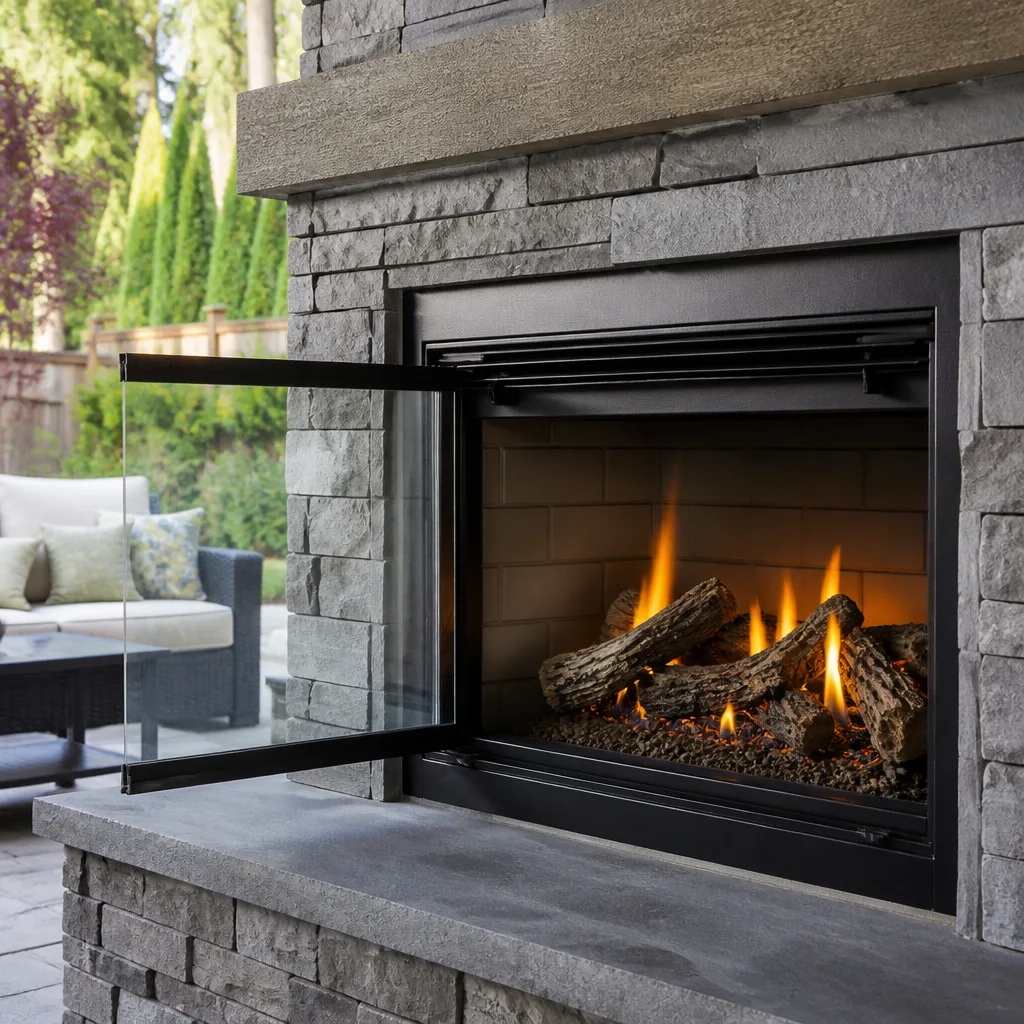 Gas fireplace service
Level 1 sweep and inspection to the NFPA 211 annual standard - flue, crown, cap, and flashing checked and photographed
Chimney sweep logs do not sweep chimneys. They loosen some creosote - which then falls where a brush and vacuum still have to collect it.
Seasonal Chimney Cleaning Care for Murray: Year-Round Homeowner’s Guide
Most Murray homeowners think about the chimney in November, when the first cold snap hits and the fireplace becomes the warmest room in the house. The trouble is that the damage happens in April. Spring is when Murray chimneys take their worst hits, because snowmelt and March rain land on crowns and flashing that spent the whole winter cycling through freeze and thaw, and those wet surfaces sit unprotected for months. Winter is when you use the chimney. Spring is when it quietly degrades. This guide builds a twelve-month care calendar around Murray’s actual weather and usage patterns, so you act in the right window instead of waiting for an annual sweep to catch problems after they’ve already done their work.
Quick Answer
Chimney care in Murray follows a four-season rhythm: inspect in spring after the burning season ends, handle crown coatings and masonry repairs in summer so they cure before fall, sweep in September before the first fire rather than November, and monitor draft, smoke, and odor during winter use. Each season protects against a different failure, and the work done in the off-season is what keeps the system sound when you need it most.
Styles & brands we work with
- Sweep & inspection
- Caps & crowns
- Flue relining
- Masonry repair
- Gas fireplace service
Table of Contents
- Why Spring Is Murray’s Real Chimney Damage Season
- What Freeze-Thaw Cycles Do to Mortar Joints
- Spotting Spalling Before It Becomes Structural
- Summer: The Right Window for Caps, Crowns, and Repairs
- Why You Should Book Your Sweep in September, Not November
- Inversion Season and How Creosote Actually Builds
- What to Watch During Active Burning Season
- Your Murray Chimney Care Calendar at a Glance
Why Spring Is Murray’s Real Chimney Damage Season
The counterintuitive truth is that spring, not winter, is when Murray chimneys suffer the most moisture damage. By the time the snow melts, the crown, the flashing, and every mortar joint on the chimney have already been stressed by a full season of freeze-thaw cycles. Now they’re left wet and unprotected as the rain keeps coming through March and April. Water finds every hairline crack and every failed seal, and it soaks into masonry that spent months expanding and contracting.
That’s why a post-season inspection matters more than most homeowners assume. A pre-season sweep in fall gets all the attention, but the spring inspection is the one that catches the damage while it’s fresh and inexpensive to fix. When we look at a Murray chimney in April or May, we’re looking for the specific injuries winter leaves behind.
- Cracked crowns: the vulnerable top surface that takes the most weather and shows the first split.
- Failed flashing: where the chimney meets the roof, the seal can lift or separate from months of expansion.
- Loose mortar joints: the joints soften and open up through repeated wetting and freezing.
- Shifting caps: a loose cap lets water straight into the flue and lets animals in for the summer.
Getting eyes on these in spring means a small repair now instead of a rebuilding job later. That single seasonal habit does more to protect a Murray chimney than anything you do during the winter itself. This is the same principle behind our full chimney sweep and inspection visits.
What Freeze-Thaw Cycles Do to Mortar Joints
Murray sits at an elevation and latitude where winter regularly crosses the freezing line in both directions, sometimes several times in a single week. That oscillation is harder on masonry than a steady deep freeze. Water gets into a mortar joint or a fine crack during a mild afternoon, then freezes and expands when the temperature drops overnight, then thaws and drains, then freezes again. Each cycle widens the gap a little more.
Over one Murray winter, a single joint can go through dozens of these transitions on the sunny south face of a chimney. The joints that face the weather and catch the afternoon sun move the most, since they warm and cool first. That’s why chimney damage is often lopsided: one side pitted and open, the other still sound.
Because we work on the whole system, not just the flue, we look at the masonry shell during every inspection, not only the inside of the flue. Our technicians have up to 9 years of experience reading what a joint pattern tells you about how a particular chimney is weathering. The good news is that mortar work is straightforward when it’s addressed early, and we can carry it out alongside the cleaning.
What you can do between service calls is simple observation. In spring after the last fire, walk around the chimney and look at the joints. You’re not expected to diagnose anything; a joint that’s visibly different than it was last year is worth pointing out to a professional. The chimney repair work that follows a neglected joint is usually far more involved.
Spotting Spalling Before It Becomes Structural
Spalling is masonry flaking, peeling, or chipping off in layers, and in a Murray chimney it’s the clearest visible sign that freeze-thaw and moisture have gone too far. It starts as a rough, powdery patch on the brick or a few flakes on the sidewalk below. Left alone, it progresses to deep pitting and lost chunks of face, and eventually the structural integrity of the chimney itself comes into question.
Homeowners can spot early spalling with two simple checks.
- Look down: small piles of brick grit or flakes at the base of the chimney, on the roof, or on the ground below it are a real signal.
- Look at the surface: brick that used to be smooth now feels rough or sandy, and the face is peeling away in thin sheets.
Spalling is not cosmetic. Once brick starts flaking, water gets deeper into the masonry each season, and the problem accelerates. A crown coating or masonry repair done in early summer can halt it; rebuilt sections cost far more and are needed once the damage spreads. If you notice spalling in Murray, get it looked at before the next winter’s freeze-thaw gets another season in. Repairing it is part of the same chimney repair service we handle as part of the full system.
Summer: The Right Window for Caps, Crowns, and Repairs
Summer is when a Murray homeowner should be booking the repairs that protect the chimney all year, not just the warm months. The reason is practical: coatings and masonry work need warm, dry conditions to cure properly, and late spring through summer gives them exactly that. A crown coating applied in June has the whole summer to set before fall rain and the first frost test it. Applied too late in the season, the same work can be compromised by cold and moisture before it’s fully cured.
Caps and crowns are the two most important protective pieces of the chimney and the two most often deferred. The crown is the concrete top surface that sheds water away from the masonry; the cap is the cover that keeps rain, animals, and debris out of the flue. When either fails, the whole chimney starts taking water. We install caps and crowns sourced from Famco and Copperfield materials rather than hardware-store substitutes, because these pieces have to hold up to another Murray winter.
We also offer liner resurfacing with HeatShield, a specialized process that repairs a damaged flue from the inside rather than replacing it. It’s an option most sweep-only companies simply can’t provide, and summer is when it works best.
- Crown inspection and coating: seal the top surface before it cracks further.
- Cap installation or repair: keep water, birds, and debris out of the flue.
- Masonry repair and tuckpointing: rebuild the joints and sections spalling has damaged.
- Liner resurfacing or replacement: HeatShield resurfacing or a DuraFlex flexible liner for complex flue configurations.
One inspection can tell us whether you need a liner repair, a new crown, or just a sweep, and we can handle all three without handing the work to a second contractor.
Why You Should Book Your Sweep in September, Not November
The single best scheduling decision a Murray homeowner can make is booking the pre-season sweep for September rather than waiting until the first cold stretch in November. Two things go wrong with the late booking: schedules fill up, and inspections get rushed. When everyone calls at the same time, the whole city is competing for the same appointment slots right when you need them most.
The correct timing is to sweep before the first fire, not the day you want to light it. Creosote, soot, and any summer visitor debris should come out while the chimney is still idle. A September sweep also gives you time to act on anything the inspection turns up, so a small repair doesn’t become an emergency when the snow flies.
Here’s the right sequence.
- Spring post-season inspection: catch winter moisture damage while it’s fresh.
- Summer repair window: handle the crown, cap, masonry, and liner work so it cures.
- September pre-season sweep: clean the flue and give it a final once-over before the fire.
- Winter monitoring: watch for draft, smoke, and odor signals during use.
Booking the sweep in September also lets the inspection cover the whole system while there’s time to fix what it finds. That’s the logic behind our chimney inspection service: a single visit early enough to be useful. If you want a cleaner start to the season, this is the time to set it up.
Inversion Season and How Creosote Actually Builds
Murray’s cold months aren’t one long continuous burn. Inversion conditions concentrate fireplace use into short, intense cold stretches, those periods when the valley traps cold air and the temperature holds low for days. Homeowners respond by burning hard through the stretch, then letting the fire go idle once the air clears and it warms up.
That pattern has a real effect on creosote. Creosote accumulates most aggressively during those concentrated cold stretches, when the fireplace runs continuously and the fire may burn cooler at times than a hot, steady fire would. Short, hot, frequent burns produce less buildup than a long cold smoldering stretch. When an inversion locks in and the fire runs for days, the flue has less time to dry out between burns, and that moisture is part of how creosote forms.
What this means for a Murray homeowner is that creosote buildup isn’t spread evenly across the winter. It spikes during those cold snaps, which is why the annual sweep still matters even if your total number of fires feels low. A chimney can look lightly used and still hold a significant deposit from a few long inversion stretches.
It’s also why the timing of the sweep is worth protecting. If you burn hard through a cold stretch, you’re adding to what the sweep removed in September. The seasonal rhythm is the honest answer: clean before the season, watch during it, clean again before the next one. We work on the whole system so the smoke you see and the creosote you don’t are both accounted for.
What to Watch During Active Burning Season
During burning season, homeowners are the eyes on the chimney between service calls. A few signals are worth paying attention to, and the one to treat most seriously is carbon monoxide. Make sure working CO alarms are on every level of the home and near sleeping areas; this is a safety requirement, not a seasonal nicety. If an alarm sounds, get everyone out and call the fire department, then have the chimney checked after the emergency clears.
Beyond that, three changes signal developing problems.
- Draft behavior: a fire that used to draw well but now struggles to light, smokes into the room, or feels weak is telling you the flue has changed. Inversions in Murray can create their own draft challenges, but a persistent new struggle is worth an inspection.
- Smoke rollout: any smoke rolling out of the firebox into the room instead of up the flue means something in the system is off, whether draft, blockage, or a cap issue.
- Odor changes: a new strong smoky or chemical smell, especially when the fireplace is not in use, can point to creosote or a flue problem.
None of these call for panic, but each is a reason to have the chimney looked at rather than pushed through the rest of the season. A developing issue caught early is a simple repair; one left to worsen through a winter isn’t.
Your Murray Chimney Care Calendar at a Glance
Here’s the full year in one place, built around Murray’s weather and usage pattern.
- Spring (March to May): post-season inspection. Check the crown, flashing, mortar joints, and cap. Look for spalling and address anything the winter exposed. This is the highest-value visit of the year.
- Summer (June to August): crown coating, cap installation, masonry and joint repair, and liner resurfacing with HeatShield. Warm, dry weather lets everything cure before fall.
- Early fall (September): pre-season sweep and final inspection. Get the creosote and debris out and confirm the system is ready before the first fire.
- Late fall into winter: active burning season. Monitor draft, smoke, and odor. Keep CO alarms working. Book another sweep before the next season if you burn heavily.
That calendar is the whole thesis of this guide in a few lines. Each season protects against a different failure, and the work you do in the off-season is what lets you relax during the burn.
Common Mistakes to Avoid
- Skipping the spring inspection. Most Murray homeowners only think about the chimney in fall, which means winter moisture damage sits unaddressed for six months. The post-season look is the one that matters most.
- Booking the sweep for November. Late bookings collide with everyone else’s and push the inspection to a rushed slot. September gives you room and time to act on findings.
- Ignoring spalling as cosmetic. Flaking brick on a Murray chimney is a moisture signal, not a surface blemish. Treated early it’s a repair; ignored it becomes structural.
- Putting off crown and cap work to the last warm weekend. Coatings need time to cure. Summer repairs done early protect the chimney; the same repairs done late can be compromised by cold.
- Lighting the first fire before the pre-season sweep. A chimney that hasn’t been cleaned since last season is the wrong place to find out what’s inside the flue.
- Burning long, cool, smoldering fires through an inversion. Those stretches build creosote faster than hot, steady burns, and they’re exactly when the fireplace runs for days.
- Assuming a gas fireplace needs no chimney care. The flue still vents combustion, and the masonry and cap still take the same Murray weather. Gas fireplaces need inspection too.
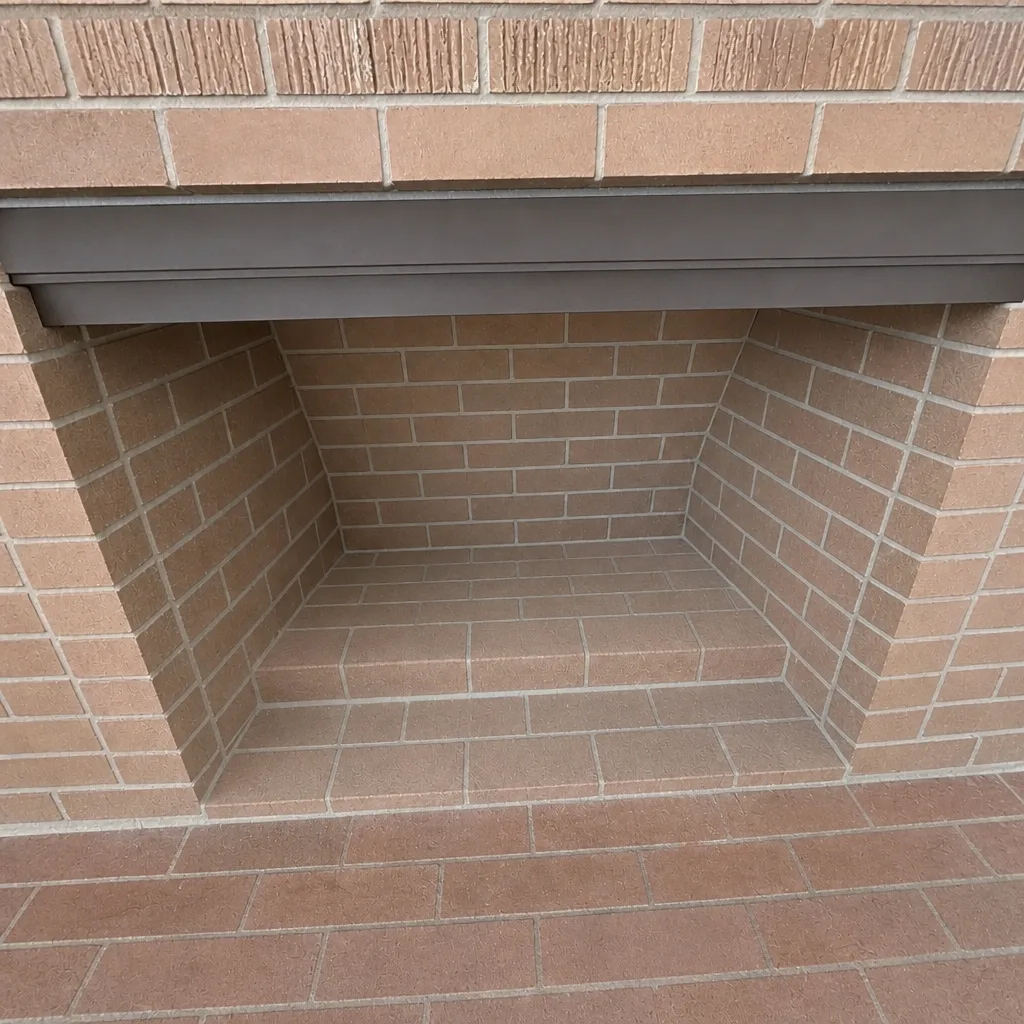
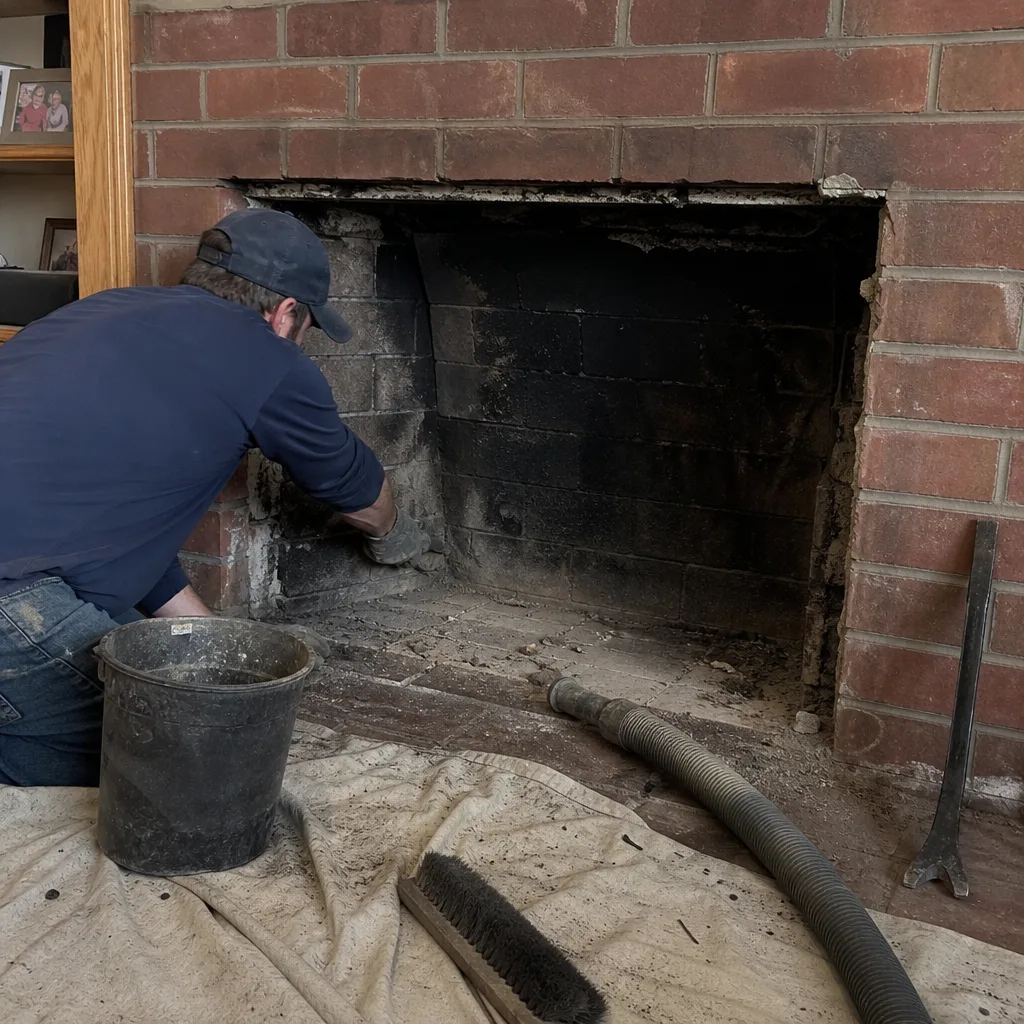
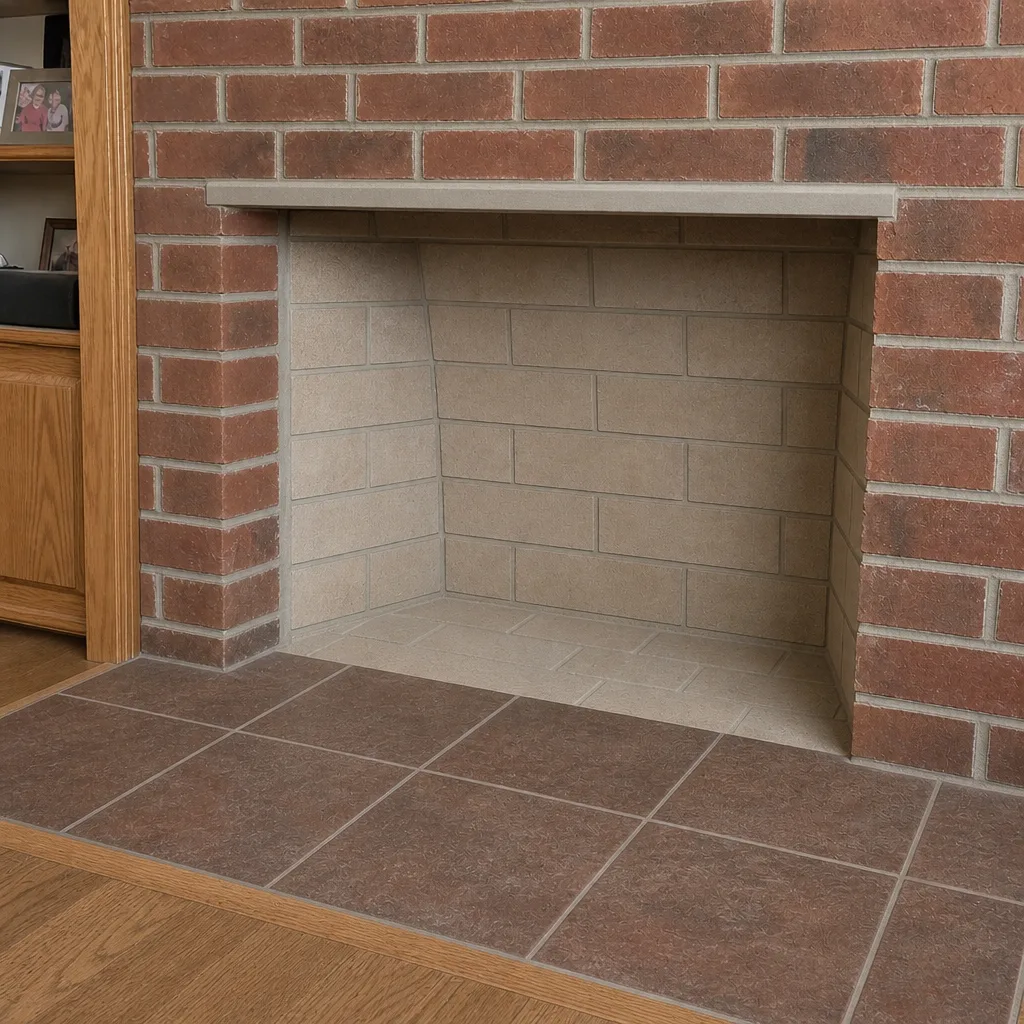
See the difference
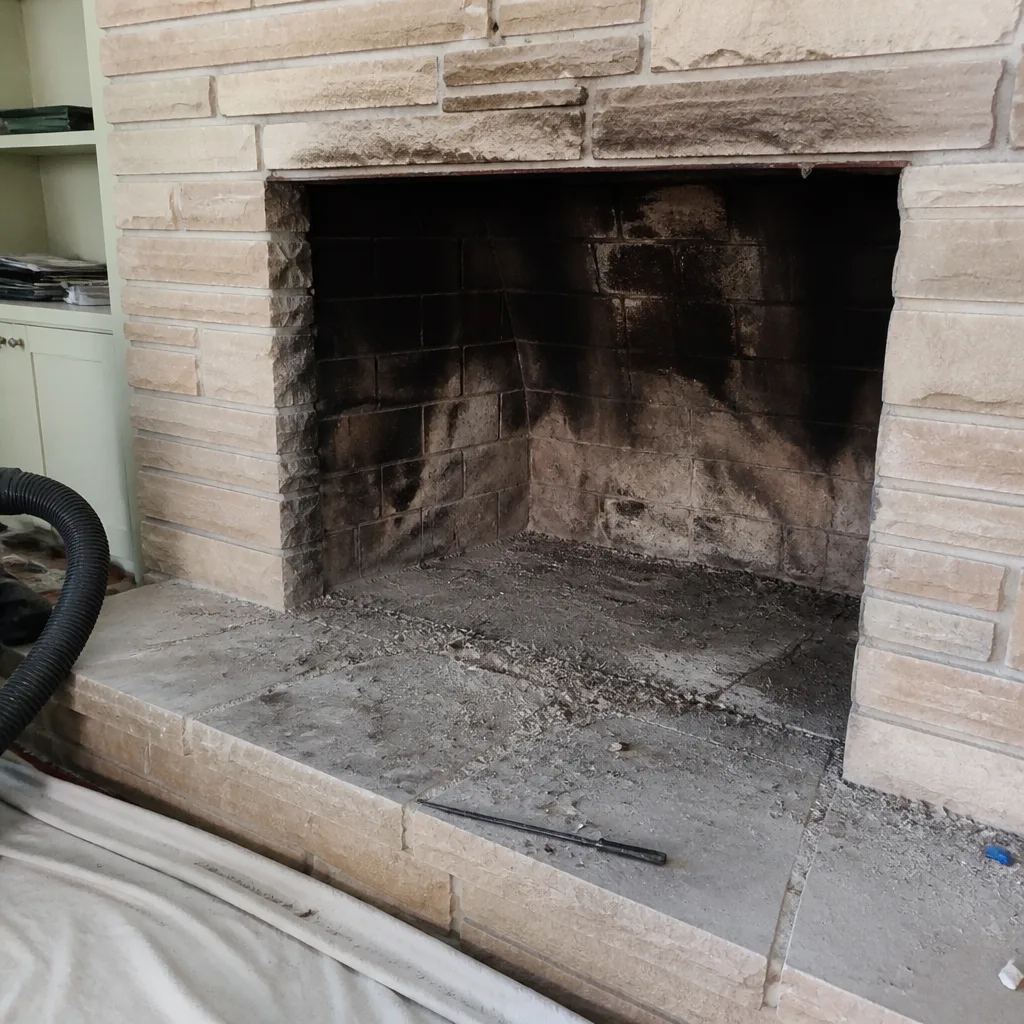 Before
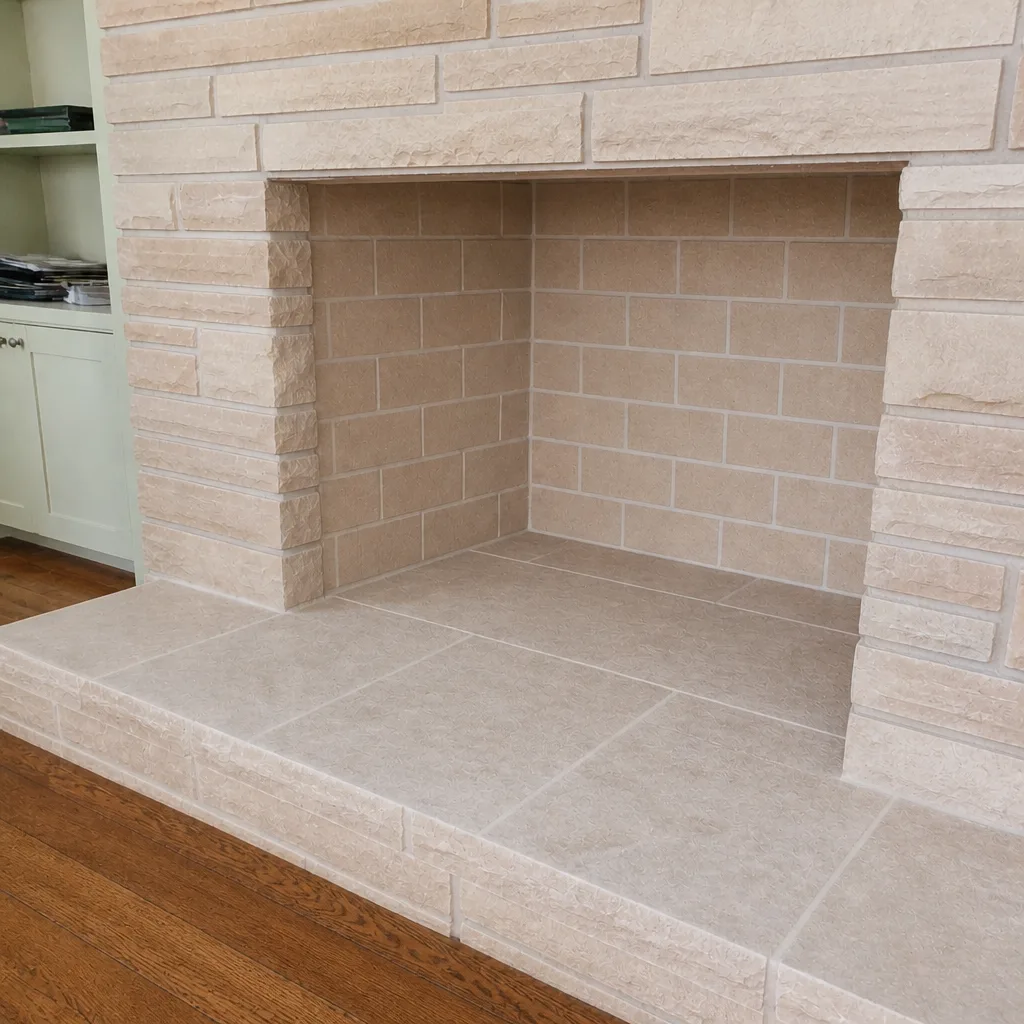 After
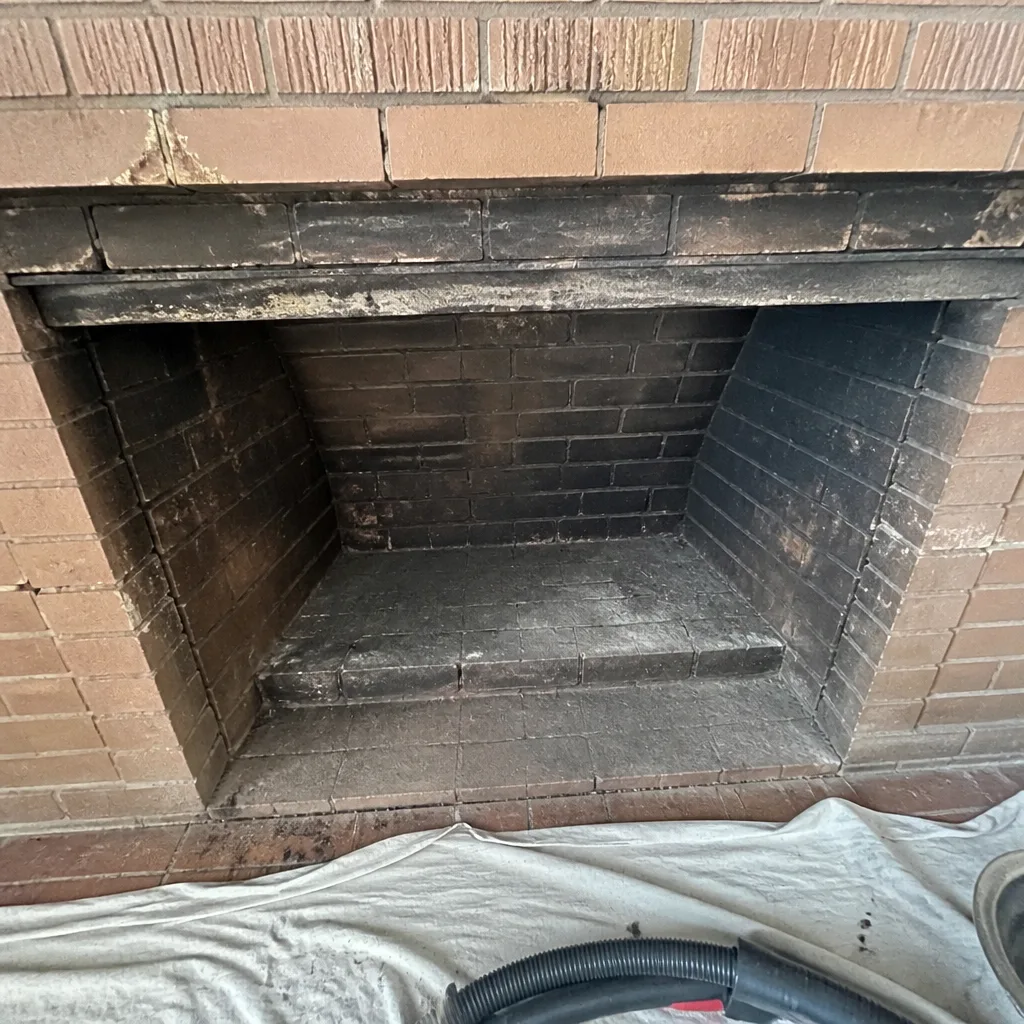 Before
 After
 Before
 After
When to Call a Professional
Some things a Murray homeowner can monitor; others belong with a trained professional. Call us when you see spalling, cracked masonry, or a crown that’s separating. Call when smoke rolls into the room or the draft changes. Call when your CO alarm has gone off, or before the season if it’s been a while since the last sweep. And call when you want the whole system looked at at once, inside and out, so a single inspection can tell you whether you need a sweep, a liner repair, or a new crown. High-tension work, electrical components, and gas connections are never DIY territory; those need trained hands. Chimney Sweep Murray offers free estimates in Murray; call (855) 616-0935. We answer 24/7. Fast dispatch from 7am to 7pm, Sunday through Friday.
Frequently Asked Questions
Most Murray chimneys should be swept once a year, ideally in September before the burning season begins. If you burn heavily through inversion stretches, or burn wood that’s less than fully seasoned, a mid-season check is worth adding. The best rule is to match the sweep to your actual burn pattern rather than a fixed date.
Because that’s when snowmelt and March rain hit crowns and flashing already weakened by a full winter of freeze-thaw cycles. Winter is when you use the chimney; spring is when the moisture damage happens. A post-season inspection in April or May catches the damage while it’s fresh and inexpensive to repair.
No, and summer is the better window. A cracked crown lets water into the masonry all spring and summer, and coatings need warm, dry weather to cure. Getting the crown repaired in early summer protects the chimney through the wet season and gives the coating time to set before frost.
It depends on the condition of the flue. HeatShield liner resurfacing can repair a damaged flue from the inside in many cases, which is a specialized option most sweep-only companies don’t offer. Where the flue configuration is complex, a DuraFlex flexible liner may be the better path. We inspect first and tell you which applies.
Smoke rolling into the room, a draft that’s suddenly weak, or a new strong odor when the fireplace isn’t burning are all reasons to call. Any CO alarm going off is a call-the-fire-department moment first, then a chimney inspection. Don’t push a change through the rest of the season.
Yes. A gas fireplace still vents combustion through the flue, and the chimney shell, cap, and crown take the same Murray weather as a wood-burning chimney. The inspection still matters, even though the creosote picture is different.
The Bottom Line
The core idea is simple: don’t wait for the annual sweep to catch everything, because by then the season’s damage is already done. Inspect in spring when winter moisture damage is fresh. Repair crowns, caps, and masonry in summer so coatings cure. Sweep in September so you’re ready before the first fire. Monitor draft, smoke, and odor through winter use. Each season protects against a different failure, and acting in the right window is what keeps a Murray chimney sound year after year. We work on the whole system, not just the flue, and one inspection can tell us whether you need a sweep, a liner repair, or a new crown, and we can handle all three. Call (855) 616-0935 for a free estimate. We answer 24/7. Fast dispatch from 7am to 7pm, Sunday through Friday.
For more on our core services, see Chimney Sweep Murray and our fireplace repair page.
Written by the team at Chimney Sweep Murray.