
Last updated November 24, 2026
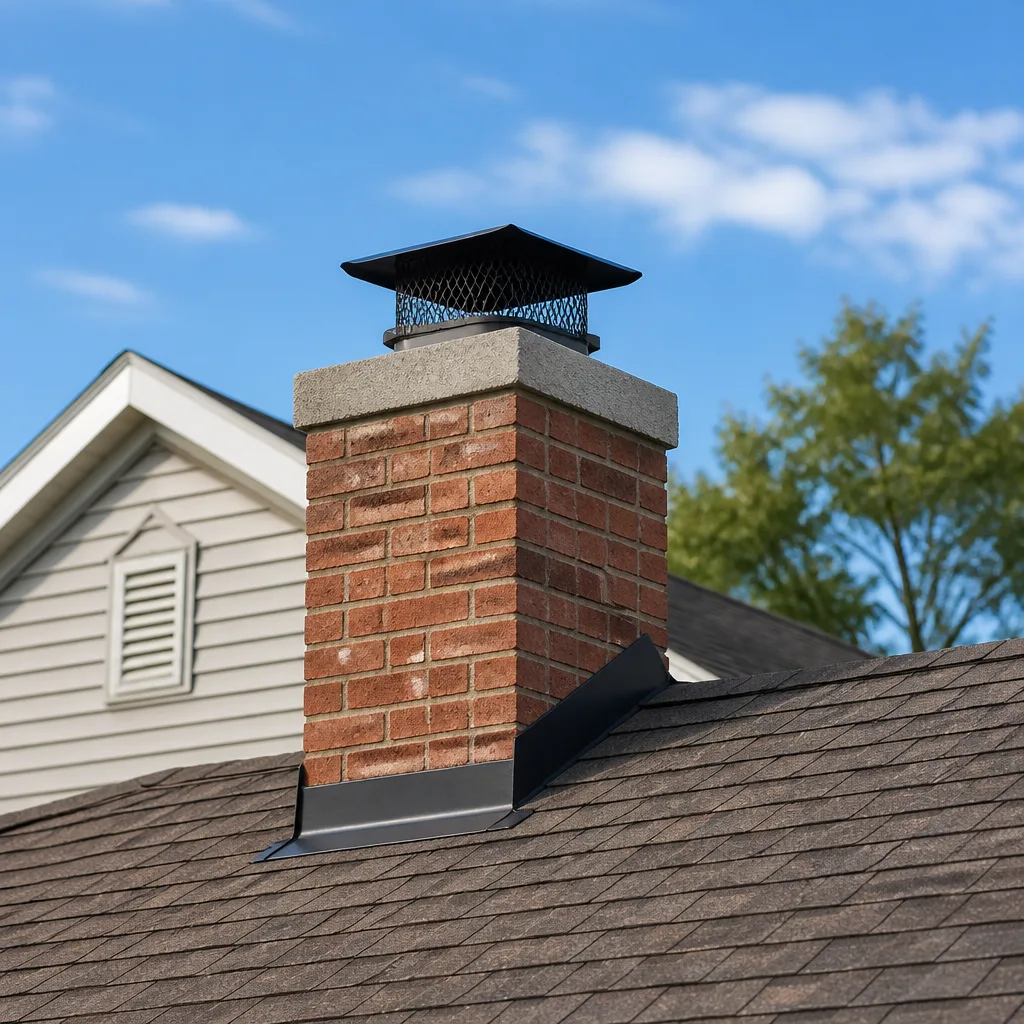 Sweep & inspection
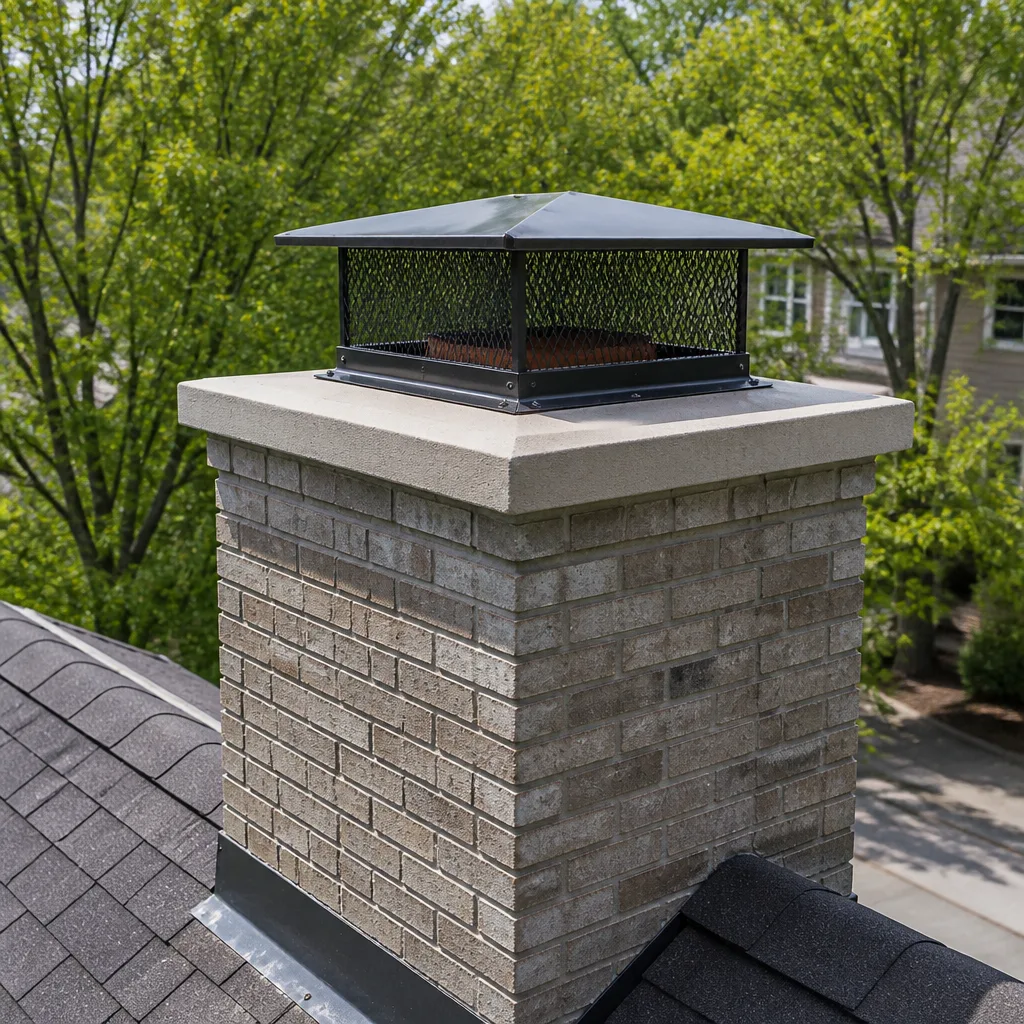 Caps & crowns
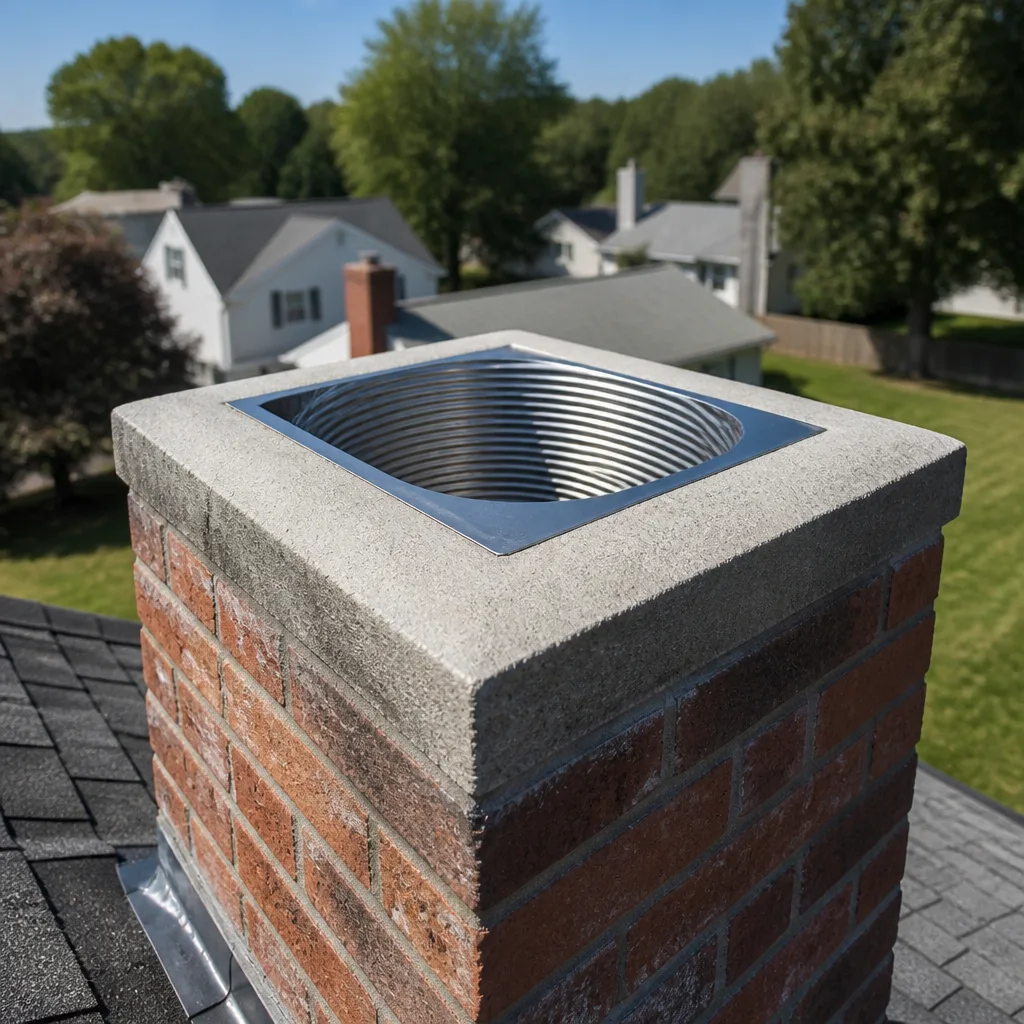 Flue relining
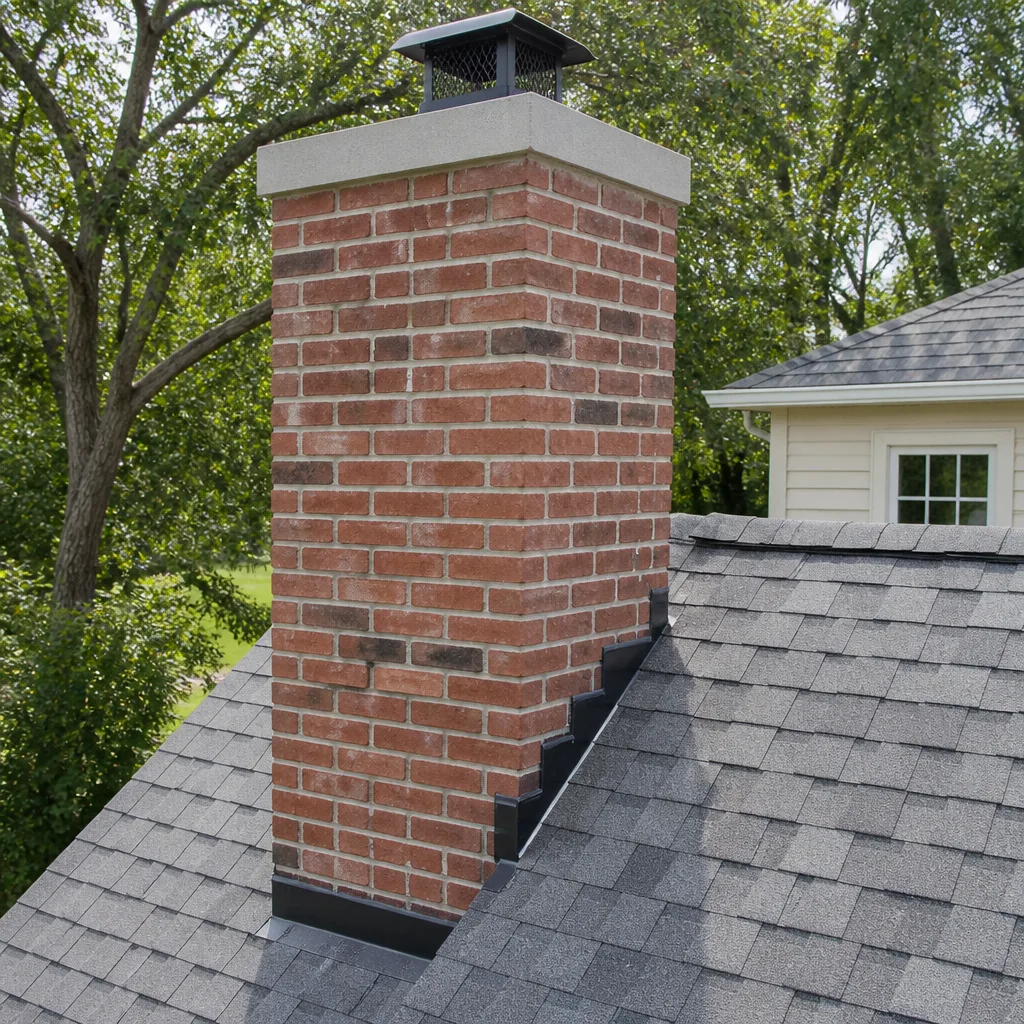 Masonry repair
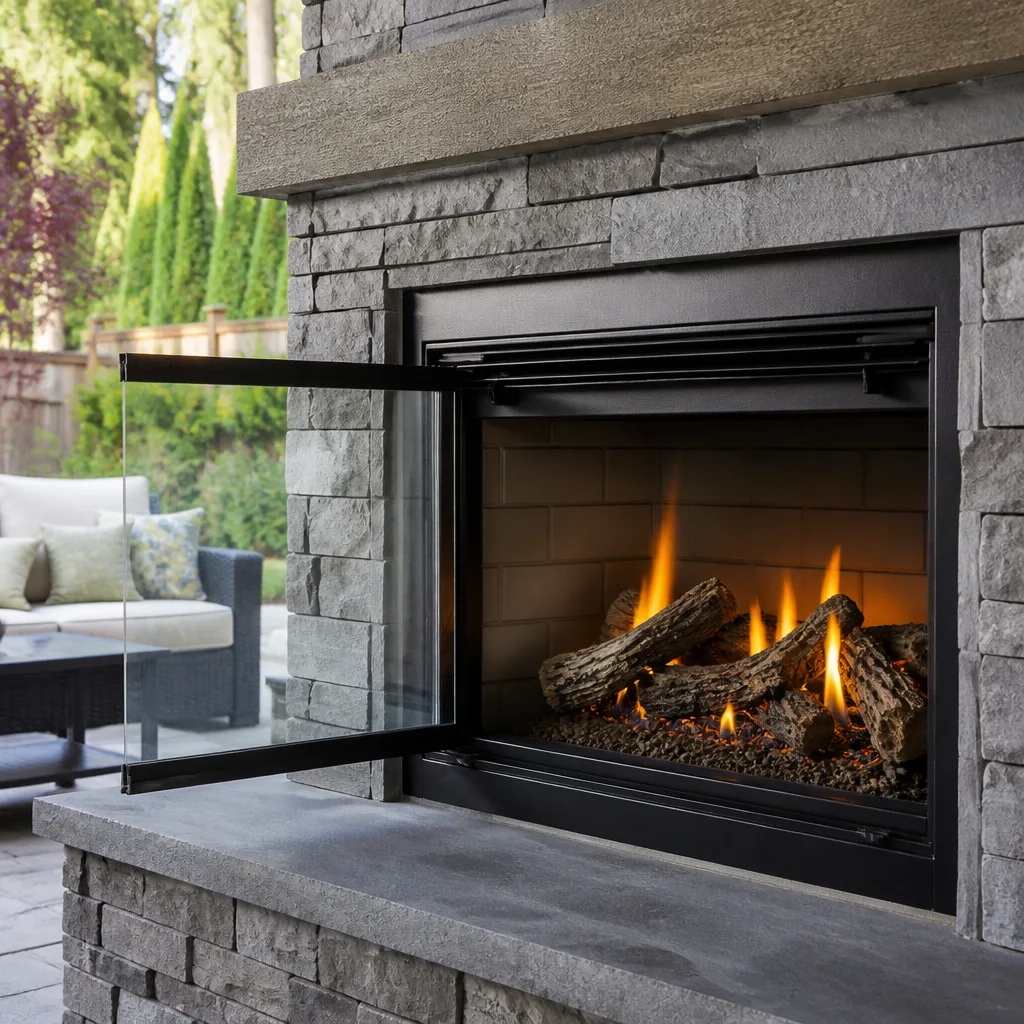 Gas fireplace service
Level 1 sweep and inspection to the NFPA 211 annual standard - flue, crown, cap, and flashing checked and photographed
Chimney sweep logs do not sweep chimneys. They loosen some creosote - which then falls where a brush and vacuum still have to collect it.
Chimney Cleaning Warning Signs: A Murray Homeowner’s Reference Guide
Most chimney problems don’t announce themselves with flames in the flue. They show up as a smell you’ve gotten used to, a puff of smoke that used to be worse, a soft staining on the brick that wasn’t there last year. Homeowners near the Wasatch Front tend to treat those small changes as “just how it’s always been,” and that habit is exactly what makes chimney fires and expensive rebuilds possible. This reference guide breaks the subtle signals into categories you can actually check, maps each one to the most likely cause, and tells you whether it means “stop using the fireplace” or “book service before the burning season starts.” We’re Chimney Sweep Murray, and we work on the whole chimney system, not just the flue, across Murray and the surrounding valley.
Quick Answer
The core warning signs that a Murray chimney needs attention are a petroleum or asphalt smell (Stage 3 glazed creosote, which cleaning alone won’t fix), white staining on brick inside or outside (water moving through the masonry), a damper that won’t seal, sluggish draft or smoke rolling into the room, and a cracked cap or crown. Stop using the fireplace immediately for active creosote ignition smells, heavy smoke rollout, or a damper stuck open. Schedule service before the next season for musty smells, powdery soot, and exterior staining.
Styles & brands we work with
- Sweep & inspection
- Caps & crowns
- Flue relining
- Masonry repair
- Gas fireplace service
Table of Contents
- Smell Signals: What Each Odor Is Telling You
- Visual Signals Inside the Firebox
- Operational Signals: Draft, Smoke, and Damper
- Exterior Signals You Can See From the Ground
- “Do Not Use Until Inspected” vs. “Schedule Service”
- What Happens During a Chimney Inspection
- How Murray’s Winter Burning Patterns Affect Your Flue
Smell Signals: What Each Odor Is Telling You
A strong petroleum or asphalt smell from your fireplace isn’t a flue odor problem. It’s the specific smell of Stage 3 glazed creosote, the most flammable form, and it means cleaning alone won’t fix the hazard. That single fact reframes the way most Murray homeowners think about smell. An odor is diagnostic data, not just a nuisance.
Creosote builds up in stages. Stage 1 is a light, flaky soot that a standard sweep removes cleanly. Stage 2 is a crunchier, denser deposit that takes more work but still comes off. Stage 3 is glazed, hard, and shiny, like a shellac layer bonded to the flue tile. It can’t be brushed away, because brushing just polishes it. It needs to be removed chemically or resurfaced, and it burns hot enough to reach the ignition point of the surrounding structure. That petroleum smell is the chemical signature of the deposit itself.
Other smells mean other things. Here’s how we decode them:
- Musty or mildew smell – moisture is getting into the chimney or firebox and staying there. Look for white staining, rusted dampers, or a crown that’s lost its slope.
- Petroleum or asphalt smell – Stage 3 glazed creosote. Do not burn again until it’s addressed.
- Sharp, smoky smell on startup only – draft reversal from a cold flue or a blocked cap. Common when the exterior of the chimney is colder than the room.
- Burning debris smell – active creosote ignition somewhere in the flue. Treat it like a fire until you know otherwise.
- Unburned wood or campfire smell – draft is pushing smoke back into the living space instead of up and out. Often a pressure problem or an obstruction.
If any of these are familiar, that’s your signal to get a proper look. We inspect and sweep the same visit, so you walk away knowing exactly what the smell means in your chimney, not a guess based on the smell alone. Ask us about our chimney inspection when the smell doesn’t match the season, since that usually points to something structural rather than a dirty flue.
Visual Signals Inside the Firebox
Step back and look at the inside of the firebox before you light the next fire. Brick and mortar tell you a lot, and the difference between black glazed buildup and gray powdery soot determines what kind of cleaning actually works.
White chalky staining on the brick is called efflorescence. It’s the residue left behind when water moves through masonry, dissolves minerals, and then evaporates on the surface. Efflorescence on the interior of the firebox is the most reliable sign of moisture intrusion we see in Murray homes. Once you spot it, the question shifts from “is the chimney dirty?” to “where is the water coming from?” That’s usually a crown, a cap, or flashing issue, not a sweeping issue.
Gray, powdery soot is normal. It means the fire is burning dirty but within a range a standard sweep can handle. Black, shiny, tar-like buildup is a different animal entirely. Here’s a quick visual guide:
- Gray powdery soot, up to about a quarter inch – normal and expected. Sweep on schedule.
- Gray powdery soot, thicker than a coin – overdue for a sweep, but still a routine job.
- Flaky, crunchy black deposits – Stage 2 creosote. A sweep clears most of it; expect more time.
- Shiny, glazed, hard black coating – Stage 3 creosote. Do not burn until it’s addressed, and a standard sweep won’t remove it.
- White efflorescence on brick or mortar – moisture intrusion. Inspect the crown, cap, and flashing.
- Crumbling mortar joints or spalling brick – structural repair, not a cleaning issue. Get it evaluated before more water gets in.
Glazed creosote often means the fireplace has been run with green or unseasoned wood, or with a restricted air supply. Late fall is a common time for this in Murray, since the rapidly shifting temperatures between October and December push people into burning whatever’s on the woodpile. Our technicians have up to 9 years of experience reading exactly this kind of buildup and knowing whether it can be brushed, chemically treated, or requires a resurfaced liner.
Operational Signals: Draft, Smoke, and Damper
How the fireplace behaves when you light a fire tells you as much as anything you’ll see. The key distinction is when smoke rolls out. Smoke on startup only usually means a cold flue or reversed pressure. Smoke during a fully burning fire means something in the system is restricting flow.
Sluggish draft, where the fire takes fifteen or twenty minutes to catch and never quite roars, is often the first symptom of buildup. As the flue narrows with soot and creosote, the draw weakens, the fire burns cooler, and more creosote forms. It’s a loop that gets worse quietly. If your fire used to light easily in the fall and now takes patience, the flue is telling you something.
Smoke entering the room at two different times means two different problems:
- Smoke on startup (cold flue) – the chimney hasn’t warmed up yet, so the warm air in the room wants to fall into the flue instead of rising. Often resolves with pre-warming the flue, but persistent cases point to an undersized flue, a blocked cap, or negative pressure in the house.
- Smoke during burn (draft failure) – something is choking the flow. Buildup, a bird’s nest, a collapsed tile, or a damper that’s not opening fully.
- Damper that won’t seal – the damper is a mechanical part and it wears. If it stays open, you lose heat and cold air pours down between fires. If it stays shut, you can’t burn at all. Either way it’s a fireplace repair item, not a sweeping one.
If the fire starts smoking into the room while a fire is actively burning and the cap looks clear, stop using the fireplace and get it looked at. That combination can mean a partial obstruction or a structural failure in the flue, and burning through it isn’t worth the risk.
Exterior Signals You Can See From the Ground
Take a walk around the house a couple of times a year and look up. The exterior of the chimney tells you when the system above the roofline has started to fail. Everything you can see from the ground is a signal.
White staining on the chimney exterior is the outside version of efflorescence. It’s moisture moving through the masonry from the crown down. Most of the time it starts with a cracked crown, a missing cap, or flashing that’s pulled away from the roofline. In this climate, fall rain followed by the first freezes accelerates the damage, since water that gets into the brick expands when it freezes and pushes the masonry apart.
Check these specific items from the ground:
- Crown edge – the concrete cap on top of the chimney should overhang slightly and slope away from the flue. A cracked or crumbled edge lets water straight into the structure below.
- Chimney cap – the metal hood over the flue should be intact and securely attached. A missing cap lets rain, snow, birds, and squirrels straight down into the flue. We install caps using Famco and Gelco materials, which are sourced from the same brands professionals across the industry rely on, not a hardware-store substitute.
- Flashing – the metal where the chimney meets the roof. If it’s lifted, rusted, or sealed with a smear of caulk, water is getting under it.
- Missing or cracked flue tile – visible as gaps or chips at the top of the chimney from ground level.
- Spalling brick – flaking or popping faces on individual bricks. That’s a freeze-thaw problem, and it moves fast once it starts.
Caps and crowns are a chimney cap and crown job, and they’re the single most cost-effective thing a homeowner can do to protect the rest of the system. A cap that’s doing its job keeps the flue dry, and a dry flue builds far less creosote than a wet one.
“Do Not Use Until Inspected” vs. “Schedule Service”
Not every warning sign means the same level of urgency. Some say stop today; others say get on the calendar. Knowing which is which helps you decide how quickly to act without overreacting to a gray soot streak.
Stop using the fireplace until it’s inspected if you notice any of these:
- Petroleum or asphalt smell (Stage 3 glazed creosote, actively flammable)
- Smell of burning debris or a campfire inside the house with no fire burning
- Smoke rolling into the room from a fully burning fire
- Visible fire or glowing material at the top of the chimney
- Damper stuck open and can’t be closed (can’t control the fire)
- Spalling brick or crumbling mortar in the firebox (structural)
- Any smell of combustion gases with a gas fireplace
Schedule service before the next season if you notice:
- Musty or mildew smell with no active burning issues
- Gray powdery soot thicker than a quarter inch
- Sluggish draft that still functions, just not as well as it used to
- White staining on the exterior of the chimney or the firebox brick
- Cracked or missing cap
- Crown edge that’s lost its slope or has hairline cracks
- Damper that’s stiff, noisy, or doesn’t seal tightly when shut
If you’re not sure which category a signal falls into, that ambiguity is itself a reason to get a pair of experienced eyes on it. A quick inspection resolves it in a way that a phone conversation can’t.
What Happens During a Chimney Inspection
An inspection is the diagnostic step that turns warning signs into a plan. It’s not a long process, and it shouldn’t feel mysterious. Here’s what we look at, in the order we usually look at it:
- Exterior walk-around – crown, cap, flashing, brick, and mortar, all visible from the ground and the roof line.
- Firebox and damper – brick condition, soot pattern, damper operation, and any signs of efflorescence.
- Flue scan – a camera run of the flue interior to see what buildup, cracks, gaps, or offset joints are present. This is where we can tell the difference between a sweeping-only job and a liner issue.
- Draft and pressure check – a smoke or pressure test to see how the flue actually draws.
- Report and recommendations – a written summary of what we found, what can safely wait, and what shouldn’t.
That last item matters. One inspection can tell us whether you need a sweep, a liner repair, or a new crown, and we can handle all three. If the flue has failed tile joints or a cracked liner, we have options a sweep-only company doesn’t. HeatShield resurfacing is a specialized liner repair method that rebuilds the flue interior without tearing out the chimney, and it’s a fit for many liners that a full reline doesn’t require. For flues with offset joints or complex configurations, we install DuraFlex flexible liner systems that rigid liners can’t address. The right answer depends on what the camera shows, not on what’s easiest to sell.
Any repair we recommend is backed by camera evidence you can look at yourself. That’s the whole point of the process. If a repair can safely wait, we’ll say so and put it on the schedule for before next season.
How Murray’s Winter Burning Patterns Affect Your Flue
Where you sit in the valley shapes how your chimney ages. Murray runs from the flatter west side up against the benches toward the east, and the two zones put different loads on a flue. The valley floor traps cold air in the winter, and the bench properties get more direct wind exposure and more visible snow load. Neither is a crisis; both shift what to watch for.
The bigger pattern is burning behavior. Murray winters are cold enough that most homes with fireplaces run them steadily from November into March, which means creosote accumulates fast enough that an annual sweep is a real maintenance need rather than a box to check. Homes that supplement with wood as their primary heat take on more buildup because the fire burns longer at lower temperatures, and cooler flue gases deposit more creosote than hot ones. The cool shoulder seasons matter too. A first fire on a cold October evening, when the flue is still cold, can push smoke back into the room and leave more deposit than a fire in January.
What to watch for specifically in this climate:
- Freeze-thaw damage on exterior brick – water gets into the masonry in the fall and expands in the first hard freeze. Spalling brick shows up months after the water first got in.
- Draft reversal in the cold months – pressure differences between a warm house and a cold flue push smoke down. A taller flue or a properly sized cap helps.
- Snow and ice on the cap – a cap that isn’t securely anchored will move, crack at the fasteners, or pull off. We install caps using Famco and Gelco materials because they hold up to this climate’s freeze-thaw cycles.
- Dry, windy spring days – fine soot from the flue can blow back into the house if the damper doesn’t seat. Small nuisance, easy to fix.
We work on chimneys throughout Murray and the surrounding valley, from neighborhoods along State Street to the homes on the east bench. Our technicians have up to 9 years of experience with the local climate and with how the local housing stock ages. The same weather that makes a fireplace worth having is what wears a chimney out.
Common Mistakes to Avoid
- Treating the petroleum smell as “normal chimney smell.” It’s not normal, and it’s not flue odor. It’s the signature of Stage 3 glazed creosote, and burning through it is the leading cause of chimney fires in residential homes. Get it inspected before the next fire.
- Using a hardware-store brush to fix glazed buildup. Brushing Stage 3 creosote polishes it and spreads it. It needs chemical treatment or a resurfaced liner, not a longer brush.
- Assuming a sweep-only service will catch structural problems. A sweep clears the flue. It doesn’t evaluate a crown that’s lost its slope or a cap that’s pulled loose. Ask for a full inspection, not just a sweep.
- Burning unseasoned wood because it’s cheap in late fall. Green wood burns cool and produces far more creosote than seasoned wood. That cheap cord usually costs more in chimney damage than it saves in firewood.
- Ignoring efflorescence as “just brick color.” The white chalky staining is evidence that water is moving through the masonry. Left alone, it progresses to spalling brick and crumbling mortar.
- Patching around a cap with caulk instead of replacing it. A cap is a mechanical cover with a specific job. Caulk doesn’t fix an anchoring problem, and it doesn’t last through a Murray freeze-thaw season.
- Waiting for smoke in the room before calling. By the time smoke is visible during a burn, the obstruction or draft failure is already significant. The gradual symptoms come first.
- Skipping the inspection because “the fire draws fine.” A fireplace can draw fine and still have a failed flue joint, a water-damaged liner, or a cracked crown. Drawing well isn’t a safety check.
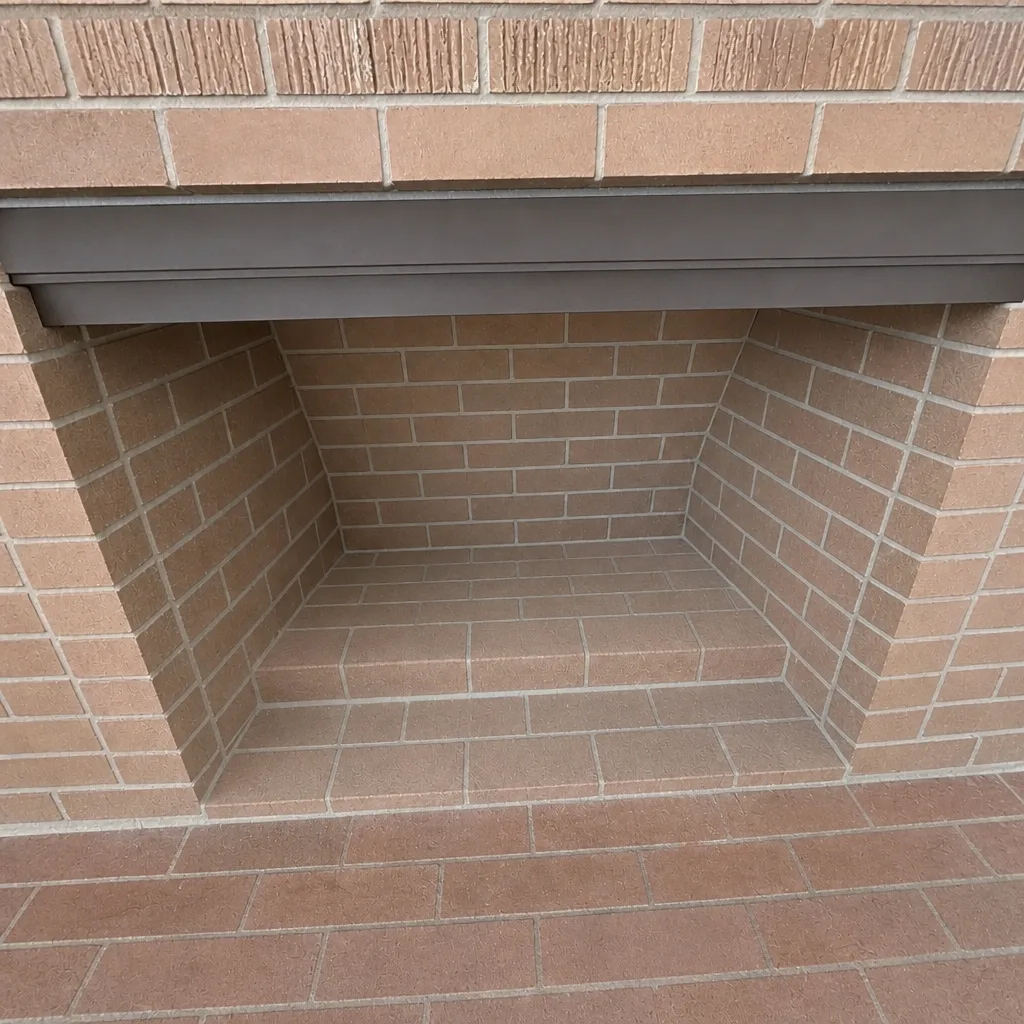
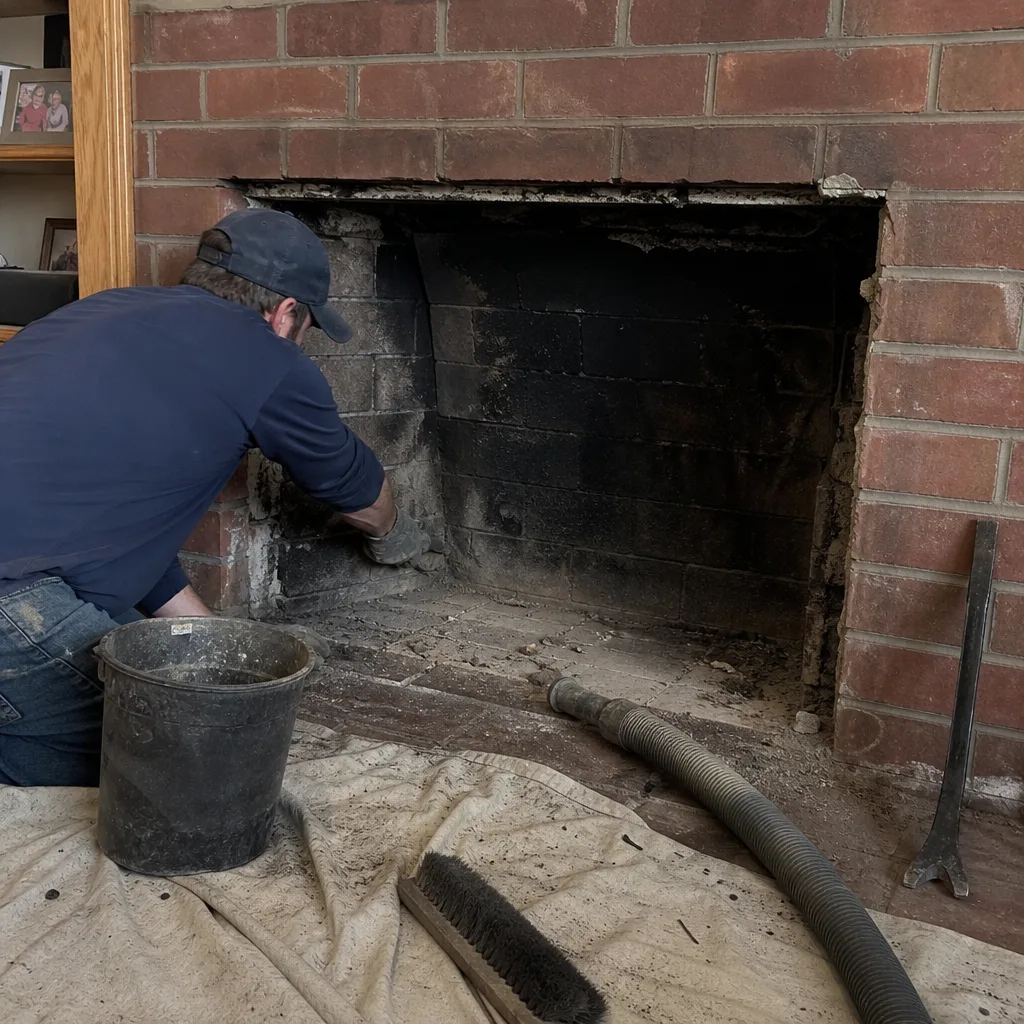
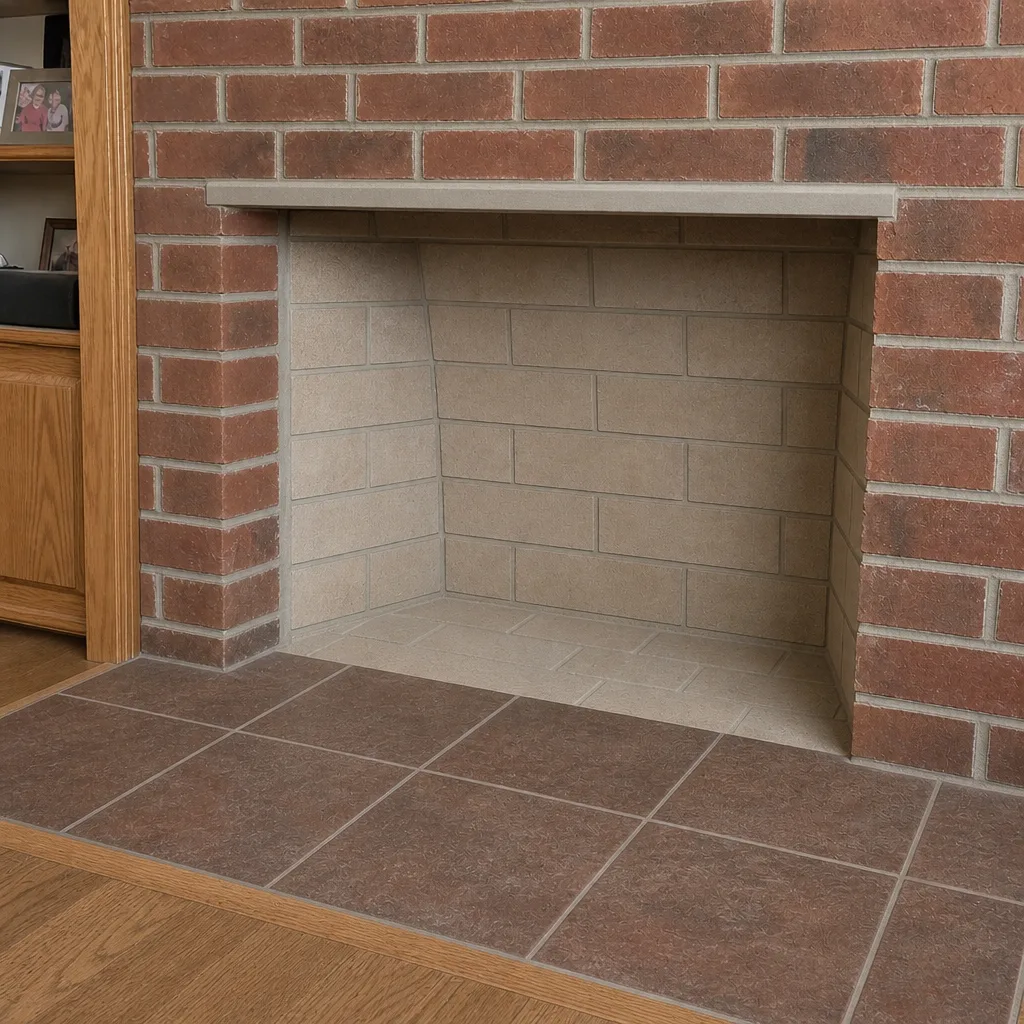
See the difference
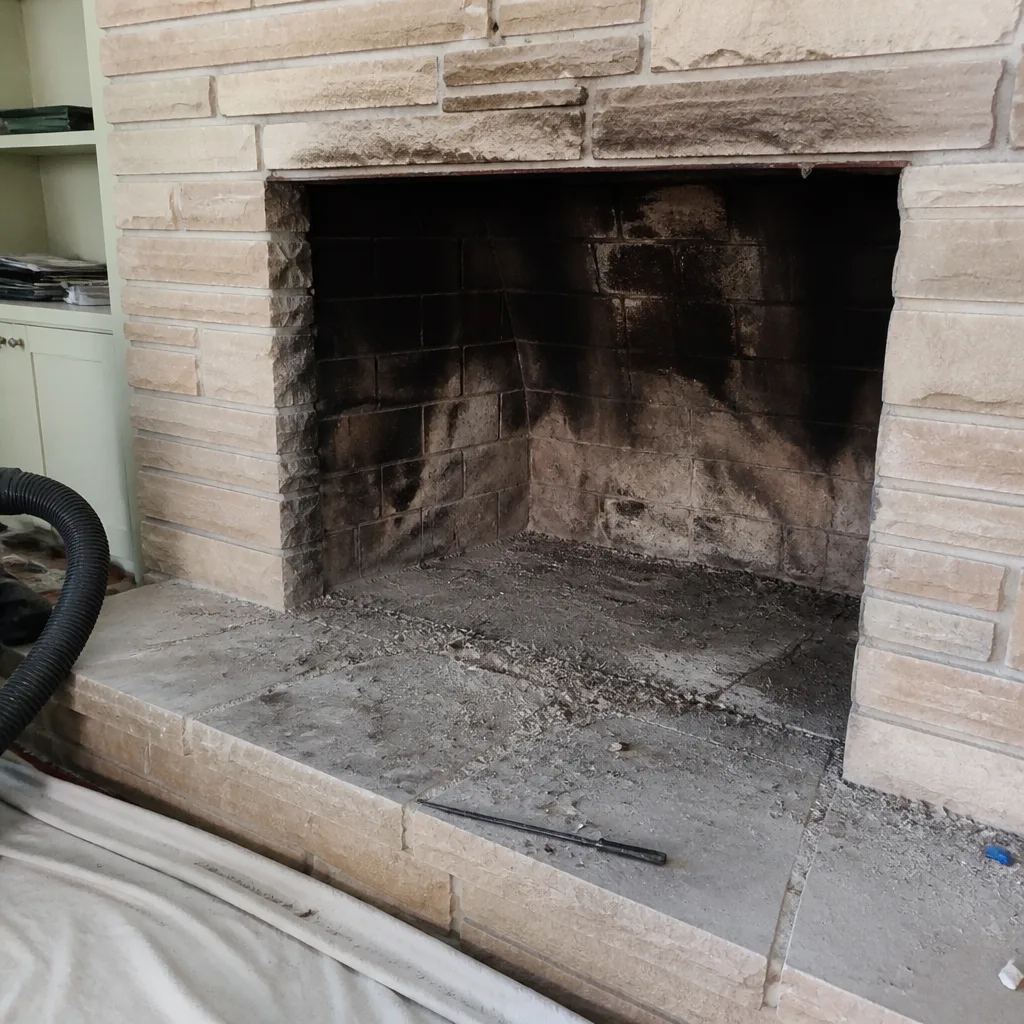 Before
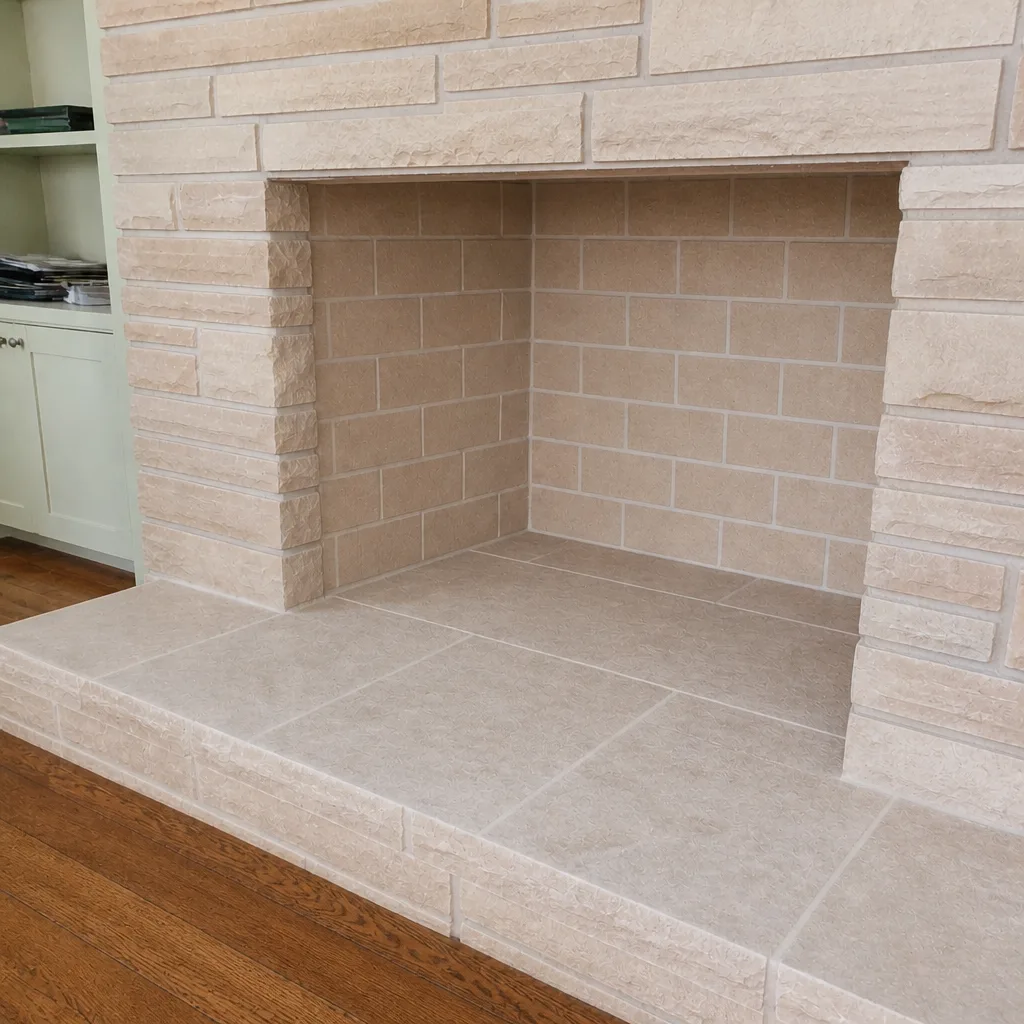 After
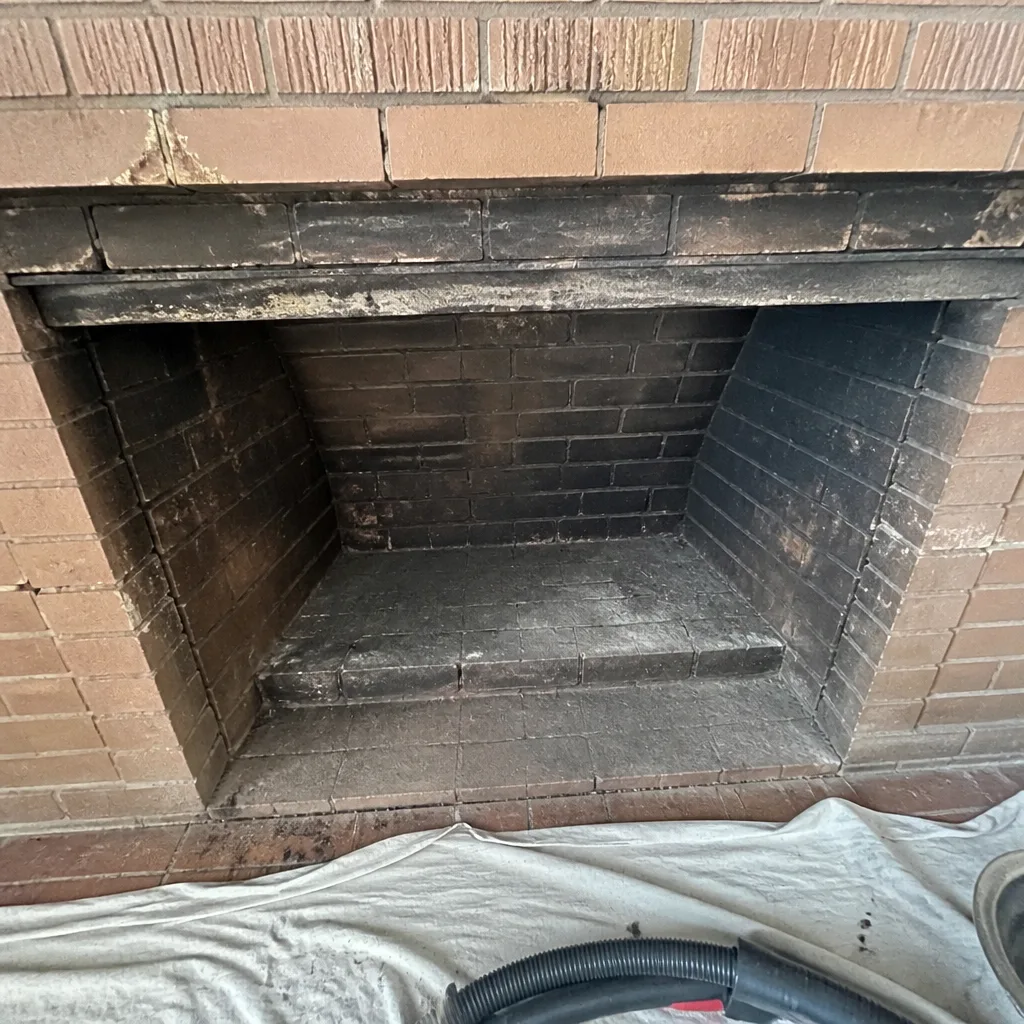 Before
 After
 Before
 After
When to Call a Professional
Call a professional if you smell petroleum or asphalt, hear the fire sound wrong, or see smoke where smoke shouldn’t be. Call if the damper doesn’t work smoothly, if efflorescence has appeared on brick inside or outside, or if you can see a cracked crown or a loose cap from the ground. Call before you burn for the first time this season if the fireplace sat unused through the summer, since flues that sit damp over the warm months pick up moisture damage fast. Call before your annual sweep if it’s been more than a year since the last one, whether or not you see a problem. And call if you’re unsure which of these warning signs applies, because guessing is the one thing that consistently costs homeowners money.
Chimney Sweep Murray offers free estimates in Murray. We answer 24/7, and we dispatch Sunday through Friday, 7am to 7pm, closed Saturday. Call (855) 616-0935. Fast dispatch from 7am to 7pm. A call outside dispatch hours is booked into the next opening, Sunday through Friday, 7am to 7pm. Prices are set per job by the written estimate, and the estimate is free.
Frequently Asked Questions
A strong petroleum or asphalt smell from the fireplace is the biggest warning sign, because it means Stage 3 glazed creosote is present and cleaning alone won’t fix the hazard. That form of creosote is the most flammable and needs chemical treatment or a resurfaced liner, not a standard sweep. Stop using the fireplace and get it inspected before the next fire. Call (855) 616-0935 for an exact quote; estimates are free.
A Murray chimney should be swept once a year if you burn regularly from late fall through winter. Homes that use wood as a primary heat source should be checked mid-season as well, because long low burns deposit creosote faster than hot fires do. If it’s been more than a year, schedule the sweep before the next burn cycle rather than after. Call (855) 616-0935 to book the sweep; estimates are free.
Yes, white staining is efflorescence, and it means water is moving through the masonry and depositing minerals on the surface. It won’t resolve on its own, and left alone it usually progresses to spalling brick and crumbling mortar. The fix is almost always at the crown, cap, or flashing, not at the brick itself. Call (855) 616-0935 to have it evaluated; estimates are free.
Gray powdery soot is normal combustion residue, and a standard sweep removes it cleanly. Black glazed buildup is Stage 3 creosote, a hardened, flammable deposit that brushing only polishes, so it needs chemical treatment or liner resurfacing. Both are signal data, but only one of them is a hazard. Call (855) 616-0935 to find out which one you have; estimates are free.
Yes, a fireplace that draws fine can still have a failed flue joint, water-damaged liner, or cracked crown. Good draft only proves the flue is open, not that it’s sound. An annual inspection catches what good draft can hide. Call (855) 616-0935 to schedule the inspection; estimates are free.
Not usually. A sweep-only company cleans the flue but doesn’t handle the structural side of the system, which means a cap or crown issue gets handed off to someone else. We cover the full chimney system in one company: sweep, inspection, chimney repair, fireplace repair, and cap and crown installation, so one visit can handle the whole diagnosis. Call (855) 616-0935 to book the visit; estimates are free.
The Bottom Line
Chimney problems almost never announce themselves with drama. They whisper: a smell you’ve gotten used to, soot that’s the wrong color, a damper that’s stiff, white staining you noticed once and stopped noticing. This guide’s job is to turn those whispers into clear information. Petroleum smell means Stage 3 creosote and stop using the fireplace. White staining means water and fix it before the freeze. Smoke during burn means obstruction. Missing cap or crown damage means schedule before the next season. If any of these sound familiar, the next step is a proper inspection with camera evidence you can see for yourself. That takes the guesswork out of it. Call Chimney Sweep Murray at (855) 616-0935 for a free estimate. We answer 24/7. Fast dispatch from 7am to 7pm, Sunday through Friday. Every job is priced per job by the written estimate, and a chimney sweep is booked on the same visit as the inspection.
Written by the team at Chimney Sweep Murray.