
Last updated November 24, 2026
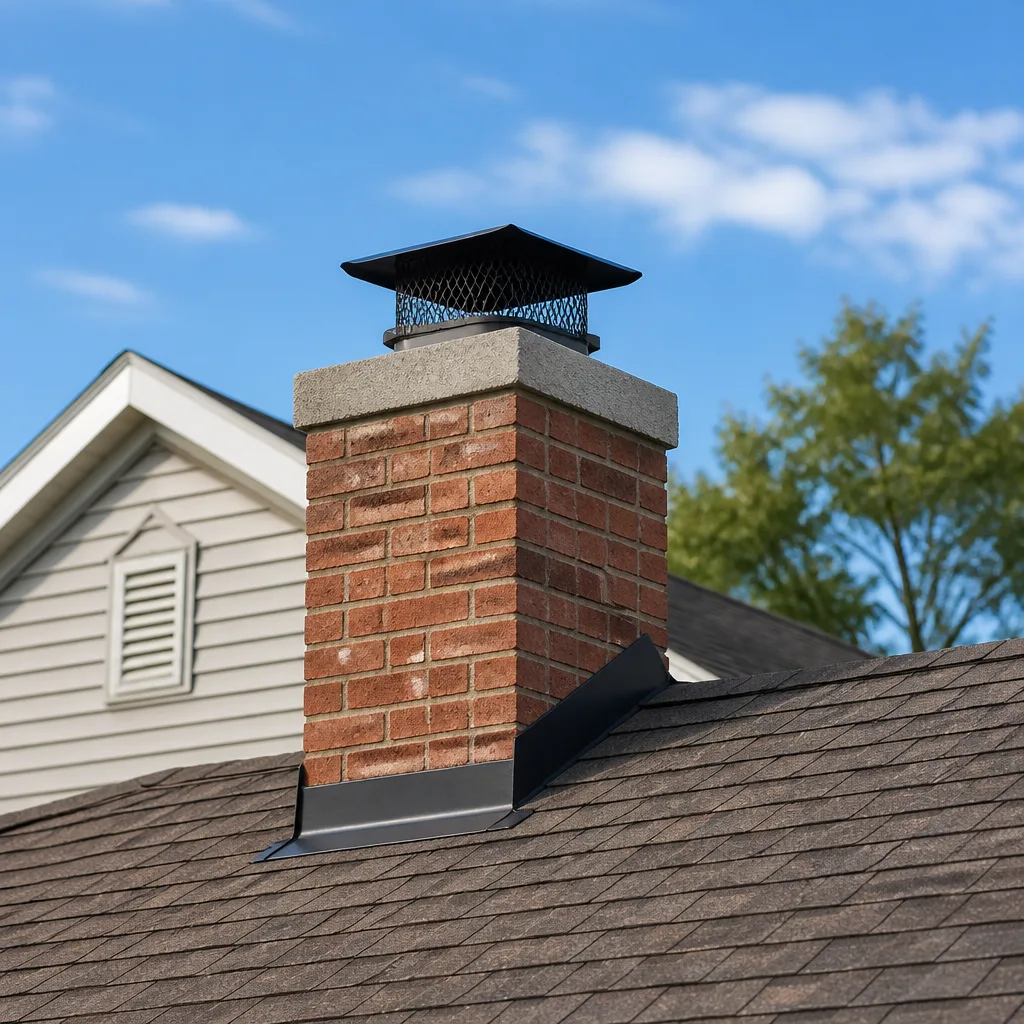 Sweep & inspection
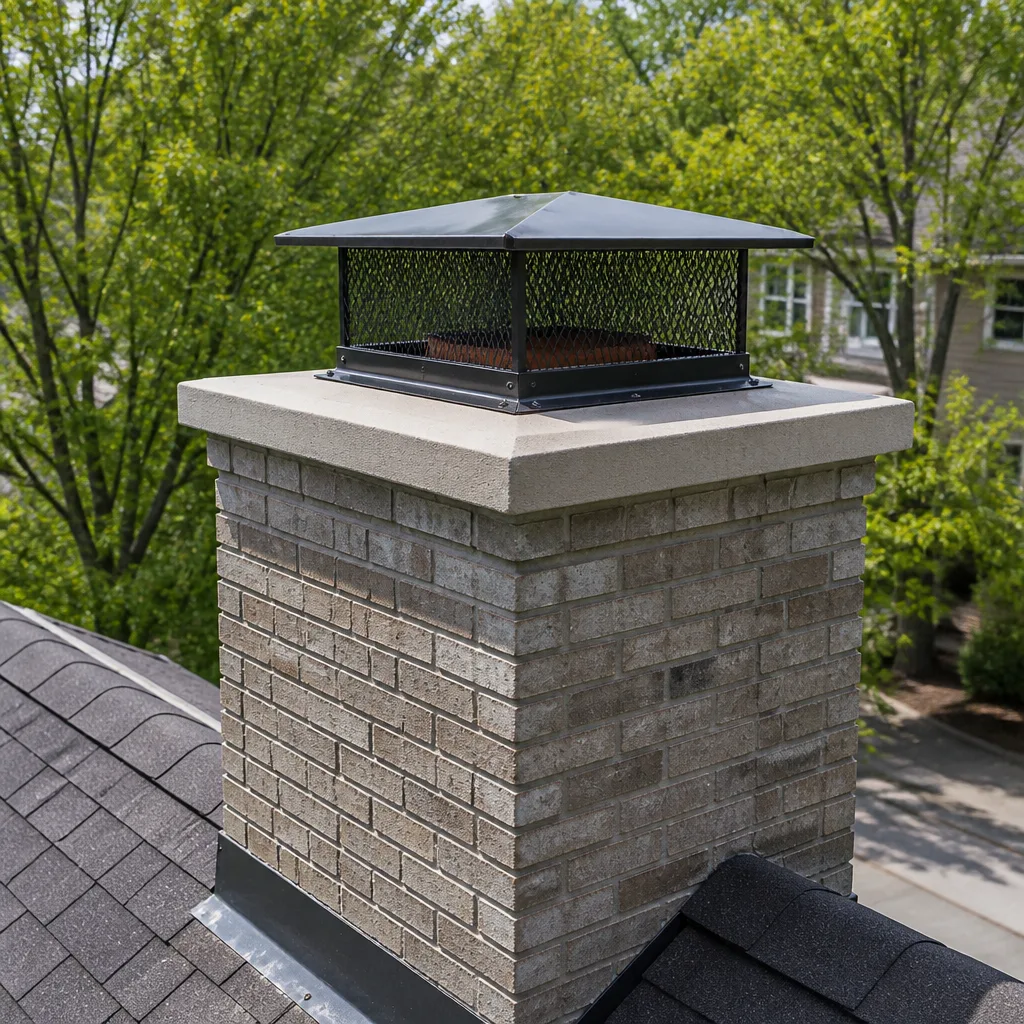 Caps & crowns
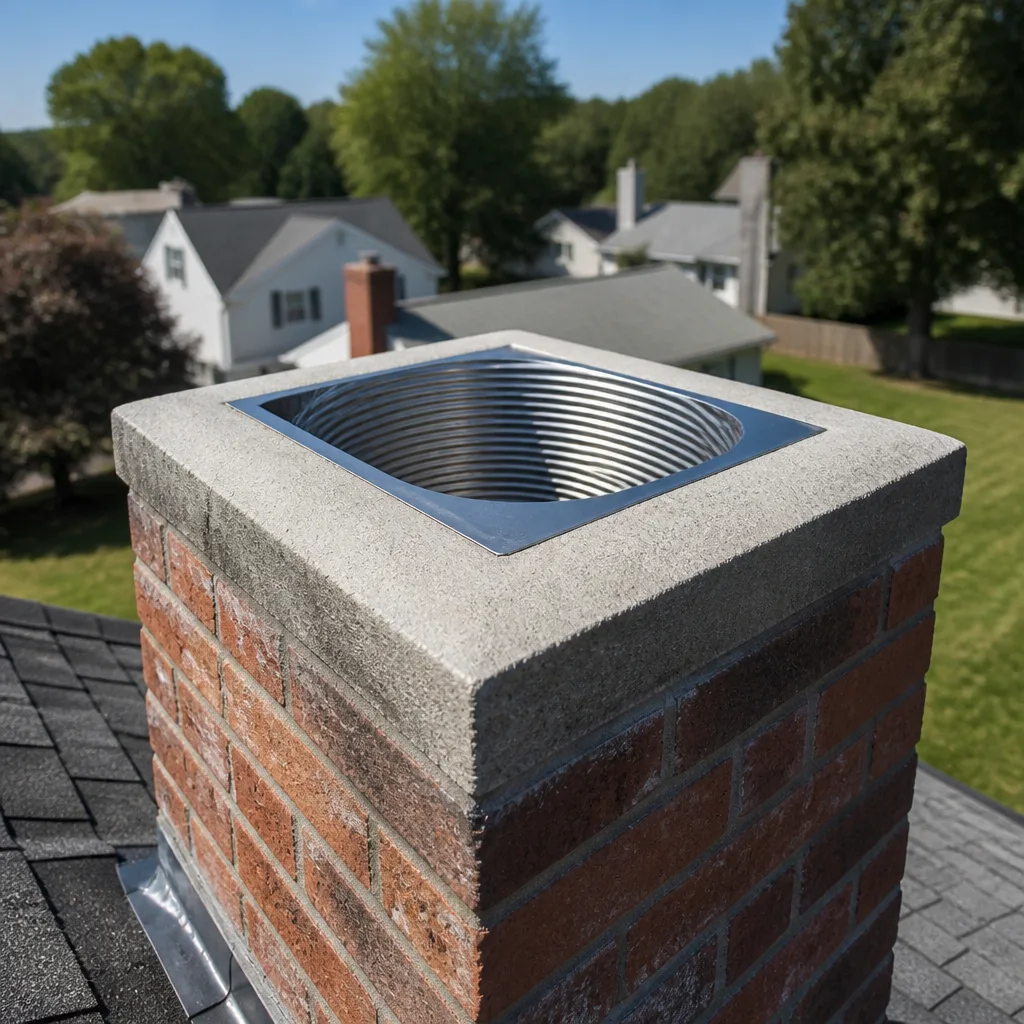 Flue relining
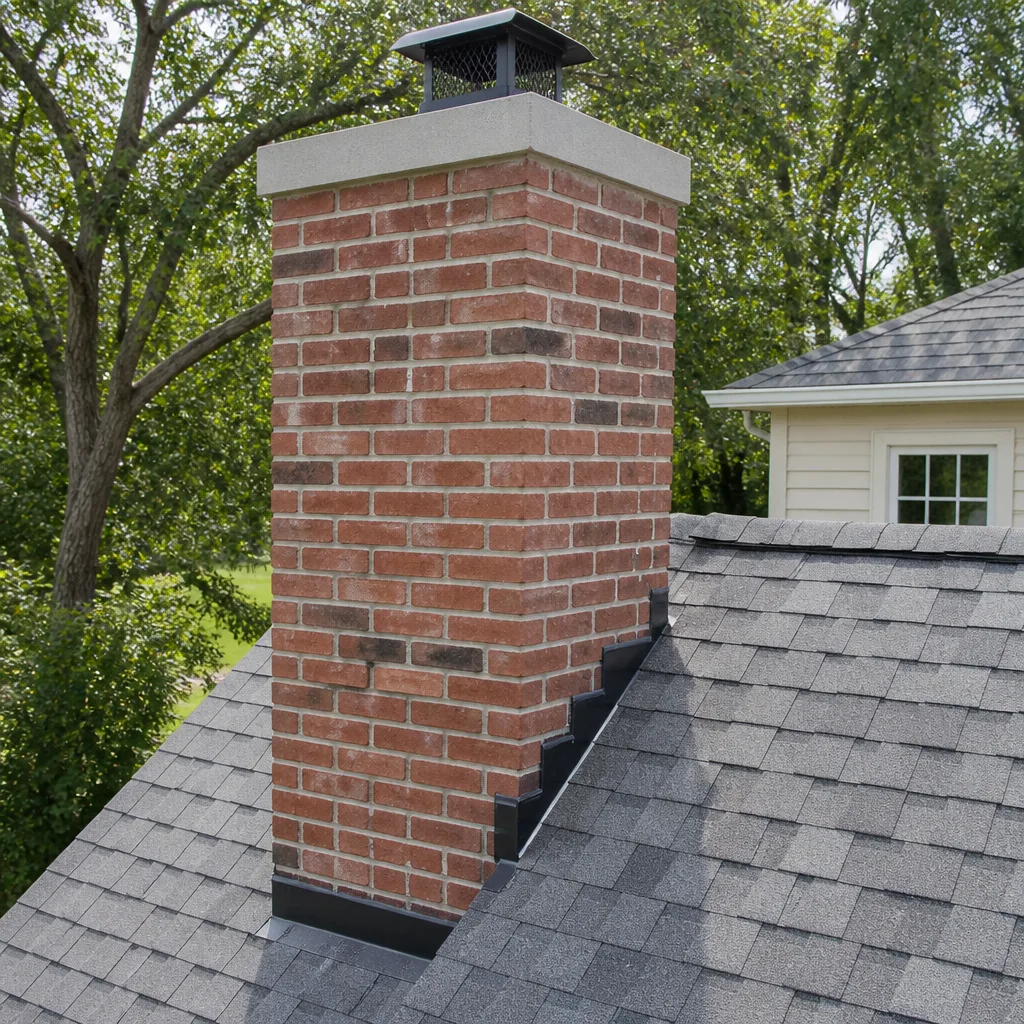 Masonry repair
 Gas fireplace service
Level 1 sweep and inspection to the NFPA 211 annual standard - flue, crown, cap, and flashing checked and photographed
Chimney sweep logs do not sweep chimneys. They loosen some creosote - which then falls where a brush and vacuum still have to collect it.
DIY vs Professional Chimney Cleaning: The Murray Homeowner’s Decision Guide
A chimney brush removes loose debris. It doesn’t evaluate liner integrity, identify Stage 2 creosote that has to be treated chemically before brushing will do anything, or let you see the smoke chamber and upper flue the way a camera does. That’s the part most DIY-versus-pro arguments get wrong. The cleaning itself was never the hard part. The evaluation that has to happen alongside it is. In this guide we’ll draw an honest line between what a Murray homeowner can safely handle with a brush and a shop vacuum, and what genuinely needs a trained eye, a camera, and the right equipment. You’ll come away knowing how to judge your own system instead of guessing based on how handy you feel.
Quick Answer
DIY chimney cleaning works for a narrow set of cases: a simple wood-burning fireplace with a straight single flue, light powdery soot, a known service history, and a homeowner willing to buy the right brush, contain the mess, and photograph everything. For anything else, including Stage 2 or 3 creosote, offset or multi-flue systems, gas appliances, and any inspection tied to a chimney fire, storm damage, insurance claim or home sale, you need a professional. The cost gap is smaller than most people expect once you price the equipment.
Styles & brands we work with
- Sweep & inspection
- Caps & crowns
- Flue relining
- Masonry repair
- Gas fireplace service
Table of Contents
- What DIY chimney cleaning actually requires to do correctly
- Where DIY legitimately works
- Where DIY fails
- The equipment cost reality
- What you legally cannot self-certify in Utah
- How a professional sweep actually runs
- Murray climate, housing stock, and creosote
- Common mistakes to avoid
- When to call a professional
What DIY chimney cleaning actually requires to do correctly
A correct DIY sweep is a four-part job, and skipping any part turns a cleaning into a mess or a hazard. The brush is only one piece of it. Here’s what’s actually involved.
Brush sizing to your flue dimensions
The brush has to match the flue’s inside dimensions closely. Too small and it glazes over the creosote instead of breaking it loose. Too large and it jams, which is a genuinely bad situation on a roof or inside a firebox. Square flues need square brushes, round flues need round brushes, and rectangular flues exist in older Murray homes where a masonry chimney was built around a specific firebox. You measure the flue at the top, not the firebox opening, because those are rarely the same dimension.
Top-down vs. bottom-up method
Top-down means working from the roof, letting gravity carry debris down to a sealed firebox. Bottom-up means working from inside the house, feeding rods up the flue. Top-down is cleaner and gives you a look at the crown and cap while you’re up there, but it requires safe roof access and a proper roof ladder setup. Bottom-up keeps you off the roof but pushes dust into the room unless the firebox is properly sealed with plastic and tape.
Containment for the firebox
This is where most DIY jobs go sideways. Soot is fine, black, and travels. A plastic sheet taped across the firebox opening with a slit for the rods is the standard approach. Without it, you’ll be cleaning a living room for a week. Professionals use a fitted containment system and a high-efficiency vacuum running the whole time.
Disposal of creosote debris
Creosote is combustible. Bag it, seal it, and get it out of the house. Don’t sweep it into a trash can next to the fireplace and leave it there. We’ve seen homeowners pile a season’s worth of creosote debris in a bucket near the hearth, which is exactly where it shouldn’t be.
Where DIY legitimately works
We’re not going to pretend DIY is always a mistake. For a specific kind of Murray home, it’s a reasonable choice, and we’d rather tell you that than talk you out of a job you can handle.
DIY works when all of the following are true:
- Simple wood-burning fireplace. A traditional masonry fireplace with a single firebox, no insert, no gas log set, no pellet stove.
- Single straight flue. No offsets, no bends, no shared flue serving two appliances. If your flue takes a jog inside the chimney, a brush on straight rods won’t follow it properly.
- Known service history. You know when it was last swept, what was found, and roughly how much you burn. A chimney with an unknown history is an inspection job, not a cleaning job.
- Light powdery soot buildup. If you look up the flue and see a thin, dry, gray-black coating, that’s the easy case. If you see shiny, hardened, or crusty deposits, stop and read the next section.
- You’ll document with photos. Photograph the flue before and after from the top and the firebox, and keep the date. This is what protects you if something comes up later.
If your situation looks like the list above, a brush set, rods, and a containment sheet will do the job. If even one item doesn’t match, the honest answer is that the sweep is the easy half and you’re skipping the important half.
Where DIY fails
These are the cases where a homeowner with a brush is out of their depth, not because they aren’t capable, but because the wrong tool can’t fix the problem no matter who’s holding it.
Stage 2 and Stage 3 creosote
Creosote builds in three recognizable stages. Stage 1 is the powdery flaky soot a brush handles fine. Stage 2 is hardened, crusty, and sometimes shiny; a brush alone will glaze it and leave it in place. Stage 3 is the glazed, puffy, or drippy form that has to be chemically treated before mechanical cleaning will work, and it’s the stage most closely tied to chimney fire risk. You cannot identify which stage you have from the firebox floor, and you cannot treat it without the right chemical products and the training to apply them.
Offset or multi-flue systems
An offset flue has a jog in it between the firebox and the top of the chimney. A straight rod won’t follow the jog, and a brush on a rigid rod will bind at the transition. These systems are handled with flexible rod systems, and that’s one of the reasons we work with chimney repair equipment that includes DuraFlex flexible components for exactly this kind of geometry. Multi-flue chimneys serving two fireplaces or a fireplace plus a furnace are also a problem, because you can’t confirm which flue is which from the roof without a camera.
Any gas appliance
A gas fireplace, gas log set, or gas furnace vented through the chimney has different venting requirements, and the byproducts are different. Gas venting produces moisture and, in some configurations, acidic condensate that attacks the liner. Cleaning one with a standard brush isn’t the point; verifying the liner is still sound is. That’s a professional inspection.
Any post-event inspection
After a chimney fire, a lightning strike, roof work, or storm damage, the job isn’t cleaning. It’s assessment. The same is true for a home purchase. A brush cannot evaluate a cracked crown, a spalled flue tile, or a liner that’s pulled away from a joint. You can’t inspect what you’re cleaning with.
The equipment cost reality
A proper brush set, a full set of rods, and containment materials typically runs somewhere in the $80 to $150 range. That’s the honest number, and it’s the one that changes the math on “saving money” versus hiring a professional sweep.
What that number includes:
- A correctly sized poly or wire brush matched to your flue dimensions (square, round, or rectangular)
- A rod set long enough to reach the top of the flue from whichever direction you plan to sweep
- A containment sheet or fitted firebox cover
- Respirator, eye protection, and gloves (soot and creosote aren’t something to handle casually)
- A shop vacuum rated for fine soot, ideally with a HEPA filter
Once you add up the gear, the real cost of the first DIY sweep lands closer to what a professional sweep costs, and the professional sweep includes an inspection, a camera look at the smoke chamber and upper flue, and a written summary. The equipment becomes cheaper on the second or third sweep, but only if you’re still in the narrow set of DIY-appropriate cases described above. Also worth noting: none of that equipment tells you what you’re looking at inside the flue.
What you legally cannot self-certify in Utah
Here’s the part that catches Murray homeowners off guard. A DIY sweep is fine for routine maintenance, but there are situations where what’s required isn’t cleaning at all. It’s a professional inspection report with a credentialed inspector attached to it.
Insurance claims
If you’re filing a claim related to a chimney fire, smoke damage, or a structural issue, the insurer will ask for documentation that the chimney was in serviceable condition and, in many cases, a report from a qualified inspector. You can’t self-certify that. The report needs to come from someone the industry recognizes as qualified to evaluate the system. Sweeping your own chimney doesn’t produce that document.
Home sale disclosures
When you sell a Murray home with a wood-burning fireplace, the buyer’s inspector will typically flag the chimney as needing evaluation, and the buyer’s lender or agent may want documentation of the condition. A professional inspection report with a credential behind it is what closes that gap. A DIY sweep, even a good one, doesn’t substitute.
Chimney fire history
If the home has any history of a chimney fire, even a small one the previous owner mentioned in passing, the inspection needs to be professional. A chimney fire can compromise a flue in ways a visual look from the firebox can’t reveal. That’s not a job for a brush and a flashlight.
Most cities require a permit for structural chimney work such as a rebuild or a liner replacement, so ask your city’s building department when you reach that stage. The inspection report is what tells you whether you’re at that stage.
How a professional sweep actually runs
If you’ve never had a professional sweep, the process is worth knowing because it’s the benchmark you’re comparing DIY against. A typical sweep at a Murray home goes like this:
- System walk-through. We look at the firebox, damper, smoke chamber, flue, crown, and cap before touching a brush, and note anything that needs a closer look.
- Containment and setup. A fitted cover goes over the firebox opening, and a vacuum runs throughout the job.
- Sweep. The flue gets brushed with the correctly sized tool for its dimensions, working through the full height of the flue.
- Camera inspection. A camera goes up the flue so we can see the liner, joints, and smoke chamber. This is the piece that DIY can’t replicate.
- Photo report. You see what we saw. Nothing gets repaired without camera evidence you can look at yourself.
- Recommendations. We tell you what needs attention now, and what can safely wait.
When something does need repair, we can handle it in the same visit or schedule it. That includes cap and crown work using Famco and Gelco materials, and liner resurfacing using HeatShield, which is a repair method most sweep-only operations can’t perform. The sweep is one service; the inspection is the value. We work on the whole system, not just the flue. If you want the full picture of what a professional visit involves, our chimney sweep page lays it out, and our chimney inspection page covers the diagnostic side.
Murray climate, housing stock, and creosote
Creosote formation is a function of wood moisture, burn temperature, and how cold the flue runs. Murray’s winters give a long burn season, and the Wasatch Front’s temperature inversions mean many households burn steadily from late fall into early spring. Steady low-temperature burning with under-seasoned wood is the recipe for faster creosote accumulation. That’s why the sweep interval in Murray often lands closer to the annual end of the spectrum than the occasional one.
Housing stock matters
Murray has a mix of older masonry fireplaces from the mid-century era and newer homes with factory-built or insert systems. The older masonry chimneys often have flue tiles with mortar joints that are original to the house, and those joints are where a DIY brush can do more harm than good if a joint is already loose. The newer systems have different liner configurations and often a smaller flue dimension, which means a generic brush size runs a real risk of being wrong.
The burn-season calendar
The practical window for a sweep in Murray is late summer and early fall, before the first sustained burn. Sweeping mid-season means pulling a season’s worth of creosote out while you still want to be burning. If you’re going to DIY, that’s the window to do it in. If you’re going to hire out, that’s the window to book.
Why the inspection matters more than the sweep
A sweep keeps the flue clear. An inspection is what tells you whether the liner is still sound, whether the crown is shedding water into the masonry, and whether the cap is keeping birds and rain out. Clean chimneys prevent fires. Sound chimneys prevent costly rebuilds. We do both, and the second one is the larger part of what we do in Murray.
Common Mistakes to Avoid
- Sweeping without a containment sheet. Soot is finer than most homeowners expect and travels farther. Taping plastic across the firebox opening before you start is the difference between a twenty-minute cleanup and a week of it.
- Using an undersized or oversized brush. A brush that’s a half-inch off from your flue dimensions will either glaze the creosote or jam in the flue. Either outcome is worse than not sweeping at all.
- Sweeping a flue you haven’t inspected. If the flue has a loose tile joint and you brush past it, you can pull the joint apart. In Murray’s older masonry chimneys, this is the most common DIY damage we see.
- Treating Stage 2 creosote as if it were Stage 1. Hard, crusty, or shiny deposits need chemical treatment before mechanical sweeping works. Brushing Stage 2 creosote just polishes it.
- Skipping the roof. If you’re sweeping from below, you can’t see the crown or the cap, and those are the two components most likely to be failing. A sweep that ignores them isn’t a full sweep.
- Sweeping after a chimney fire and assuming it’s fine. A fire can compromise a flue in ways a brush and a look from the fireplace can’t reveal. That’s an inspection job, and it should be a professional one.
- Burning unseasoned wood to make the next sweep easier. Green or wet wood produces more creosote, not less. The single best thing you can do for creosote buildup in Murray is burn dry, seasoned wood.
When to Call a Professional
Call a professional if any of the following apply: you see shiny, crusty, or puffy deposits in the flue; the chimney has any history of fire; your system is gas-fired; the flue has an offset, a bend, or shares the chimney with a second appliance; you’re buying or selling the home; you’re filing an insurance claim; the crown or cap is damaged or missing; or you’re simply not sure what you’re looking at. The uncertainty itself is a reason to call. A professional sweep gives you a camera look, a photo report, and a clear answer about what’s urgent and what can wait. Chimney Sweep Murray offers free estimates in Murray. Call (855) 616-0935. We answer 24/7. Fast dispatch from 7am to 7pm, Sunday through Friday.
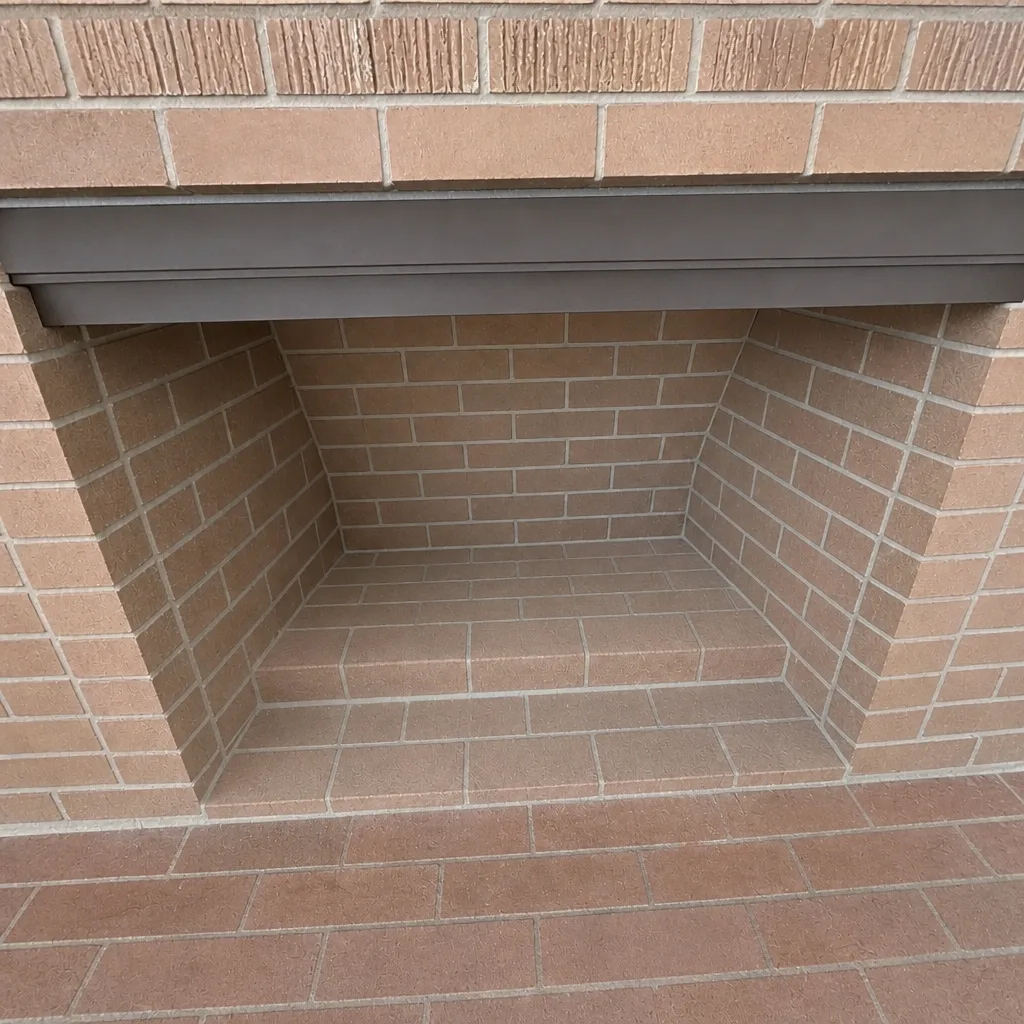
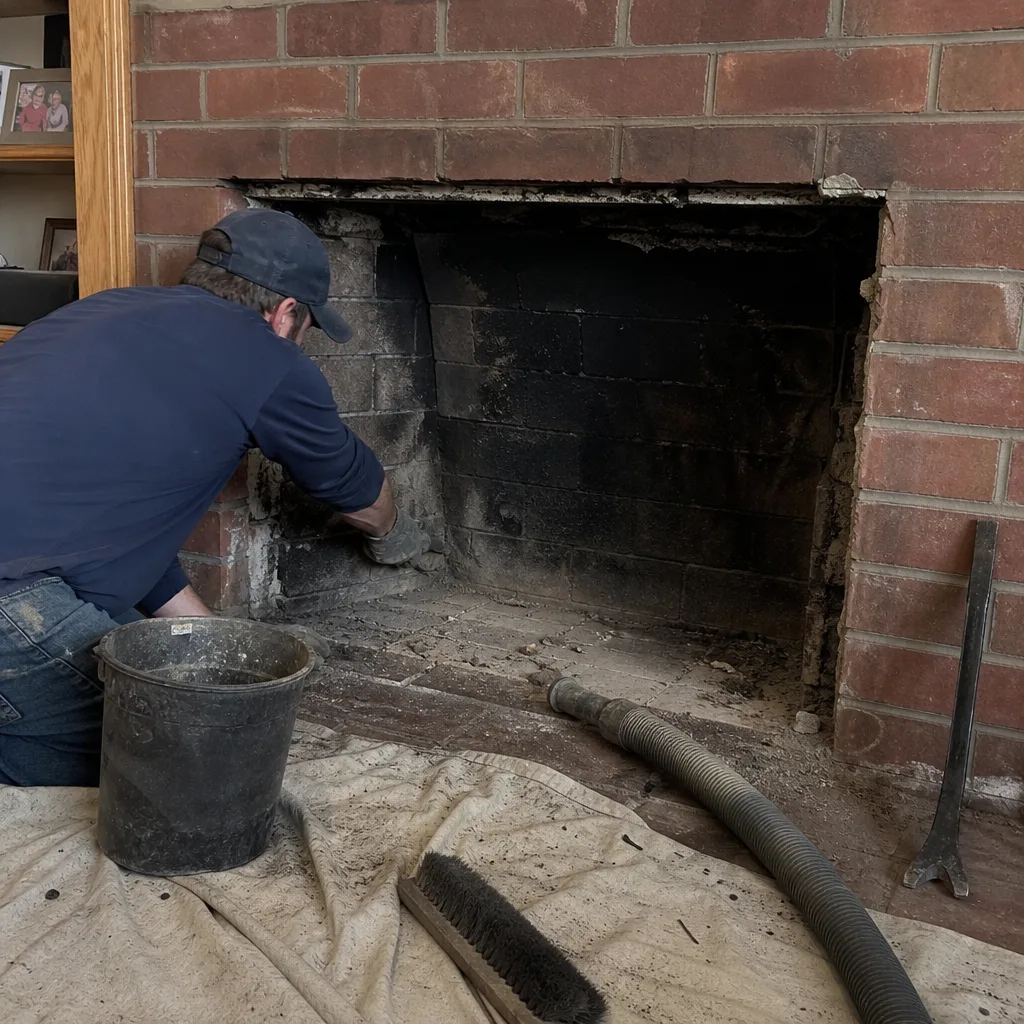
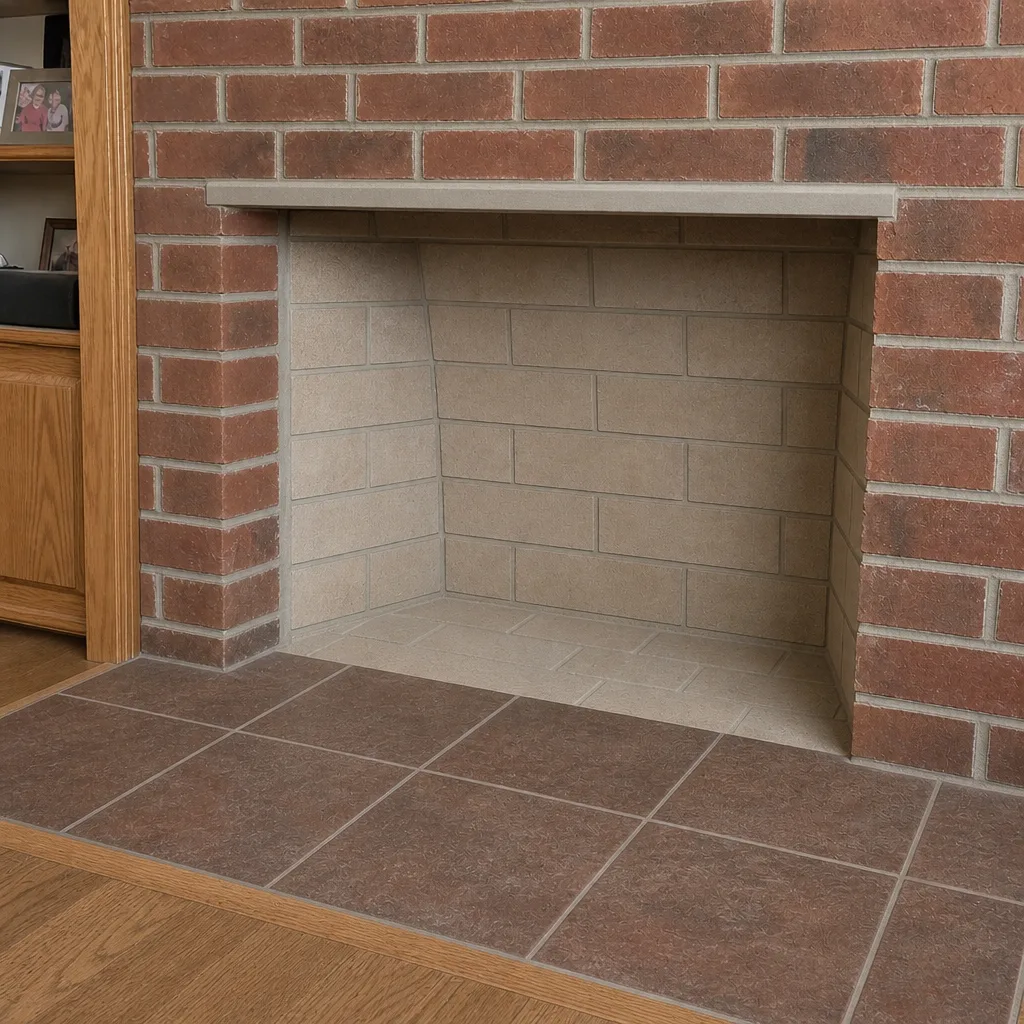
See the difference
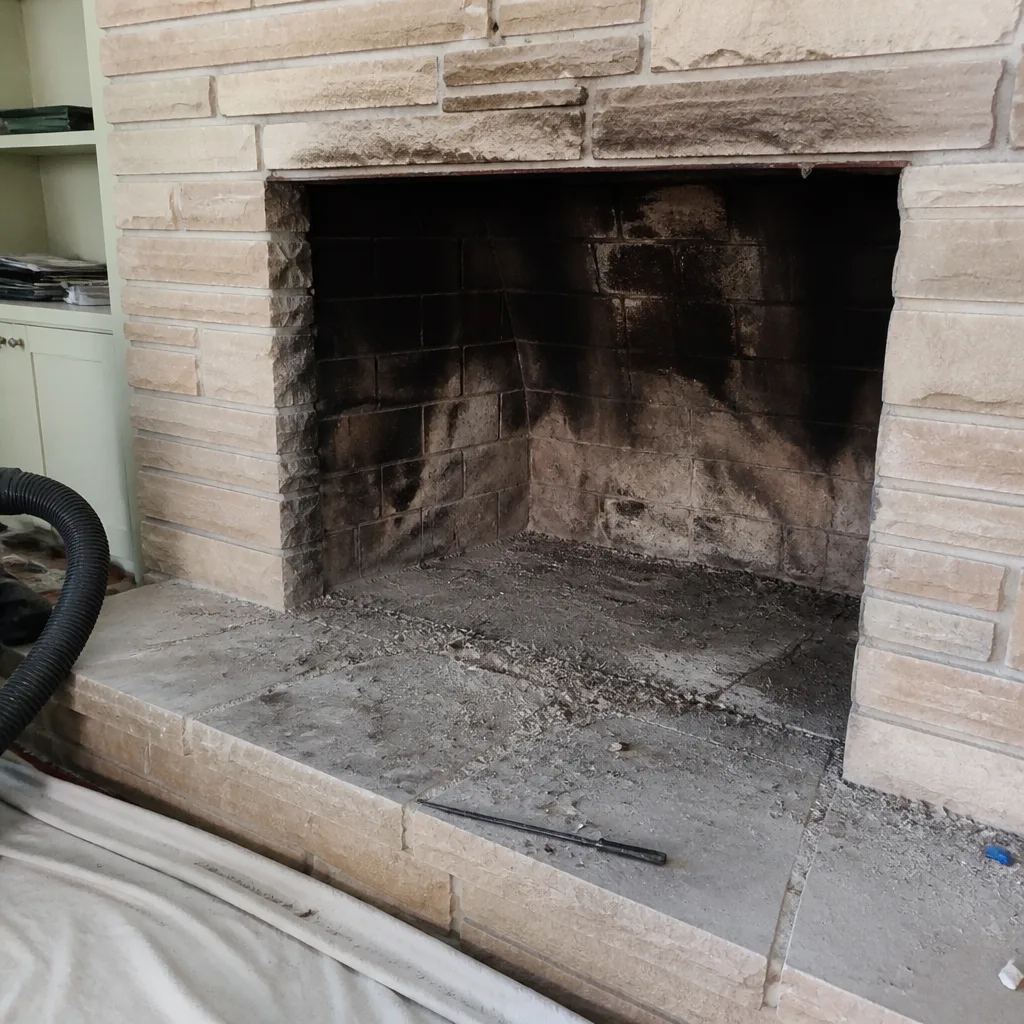 Before
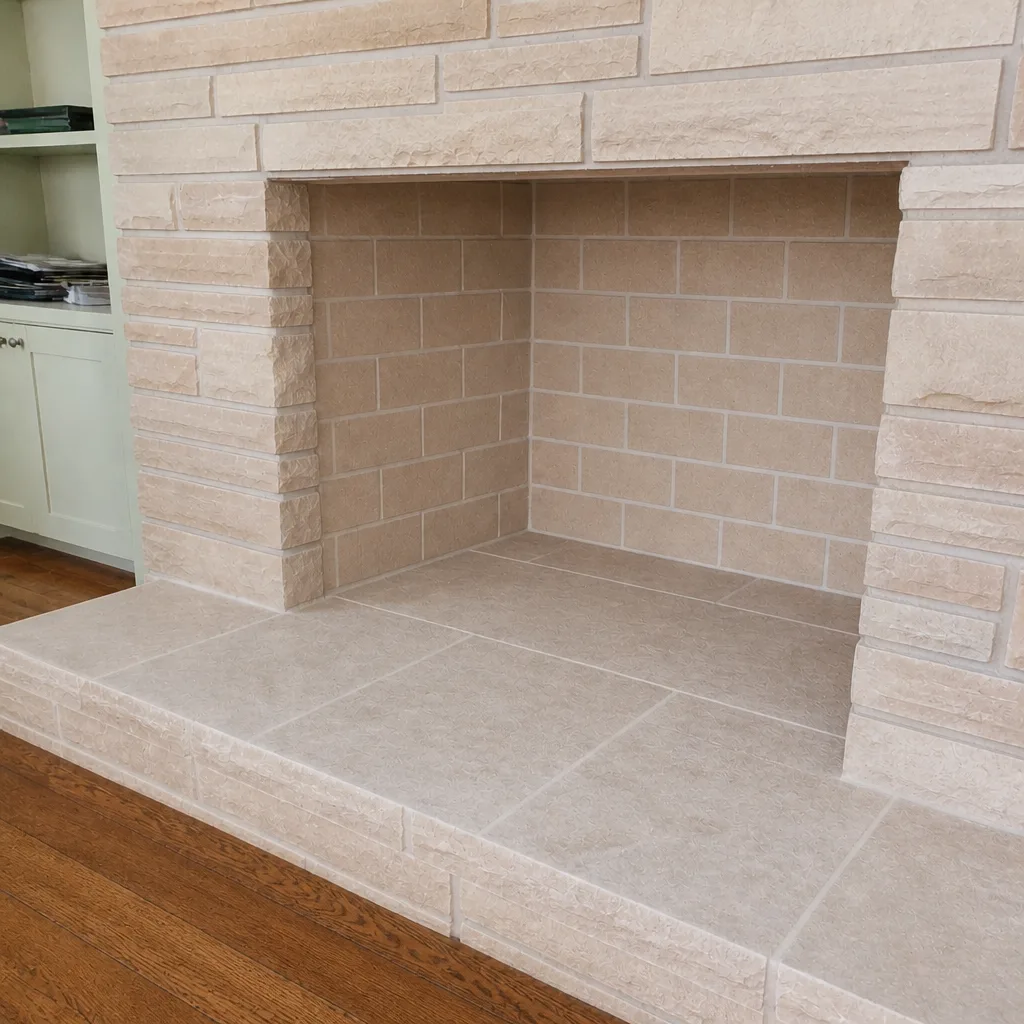 After
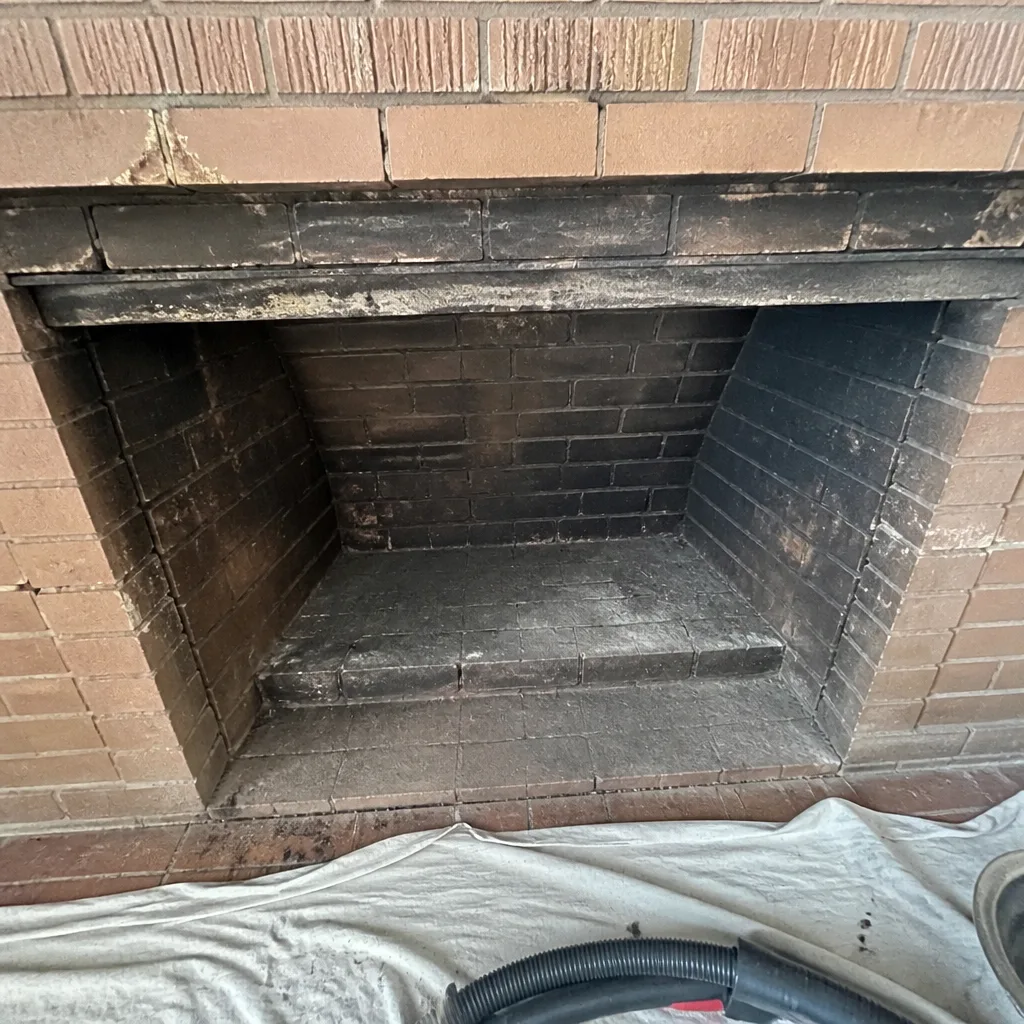 Before
 After
 Before
 After
Frequently Asked Questions
You can sweep your own chimney in a narrow set of cases, but you shouldn’t skip the inspection, because the inspection is what actually protects the house. A brush removes soot; it doesn’t evaluate a cracked liner, a failing crown, or Stage 2 or Stage 3 creosote. If your goal is a safe system rather than a clean-looking firebox, the inspection is the part that matters. Call (855) 616-0935 for an estimate on a sweep and inspection.
Plan on roughly $80 to $150 for a correctly sized brush, a full rod set, and containment materials, and add more for a soot-rated vacuum and protective gear. That range is typical for the area, and the written estimate from a professional sweep is often closer than homeowners expect. Call (855) 616-0935 for an exact quote. Estimates are free.
Stage 2 creosote is hardened, crusty, and sometimes shiny or flaky, and it typically can’t be identified from the firebox floor. You need to see the upper flue, which usually means a camera or a look from the top. If you can’t tell what stage you’re looking at, assume it needs professional treatment rather than brushing. Call (855) 616-0935 and we’ll tell you what we find.
No. A home sale typically requires a professional inspection report with a credentialed inspector attached to it, not a homeowner’s own sweep. The buyer’s agent and lender will want documentation from someone the industry recognizes as qualified. A DIY sweep doesn’t produce that document. Call (855) 616-0935 to schedule the inspection before your closing date.
An offset flue needs flexible rod and brush systems that can follow the jog; a rigid rod will bind at the transition and can damage the flue tile. Offset and multi-flue setups are one of the clearest cases where DIY stops working. We use flexible DuraFlex components for exactly these configurations. Call (855) 616-0935 to have yours evaluated.
Most wood-burning chimneys should be swept annually, and Murray’s long burn season and steady winter use often put homeowners in that annual category rather than the occasional one. The real test is what’s in the flue, not how many years have passed. If you burn steadily and see soot buildup at the annual mark, keep the annual schedule. Call (855) 616-0935 to book a sweep.
The Bottom Line
DIY chimney cleaning works for a specific, narrow case: a simple wood-burning fireplace, a straight flue, light powdery soot, a known history, and a homeowner willing to buy the right gear and document the work. Outside that case, the cleaning is the easy part and the inspection is the value, and a brush can’t do the inspection. The equipment math is closer than it looks, the legal situations around insurance and home sales require a professional report, and the creosote stages that matter most can’t be identified from the firebox. When you’re ready for the full picture, Chimney Sweep Murray handles sweep, inspection, cap and crown, and fireplace repair under one roof, so the diagnosis and the fix come from the same place. Call (855) 616-0935 for a free estimate. We answer 24/7. Fast dispatch from 7am to 7pm, Sunday through Friday.
Written by the team at Chimney Sweep Murray.