
Last updated November 24, 2026
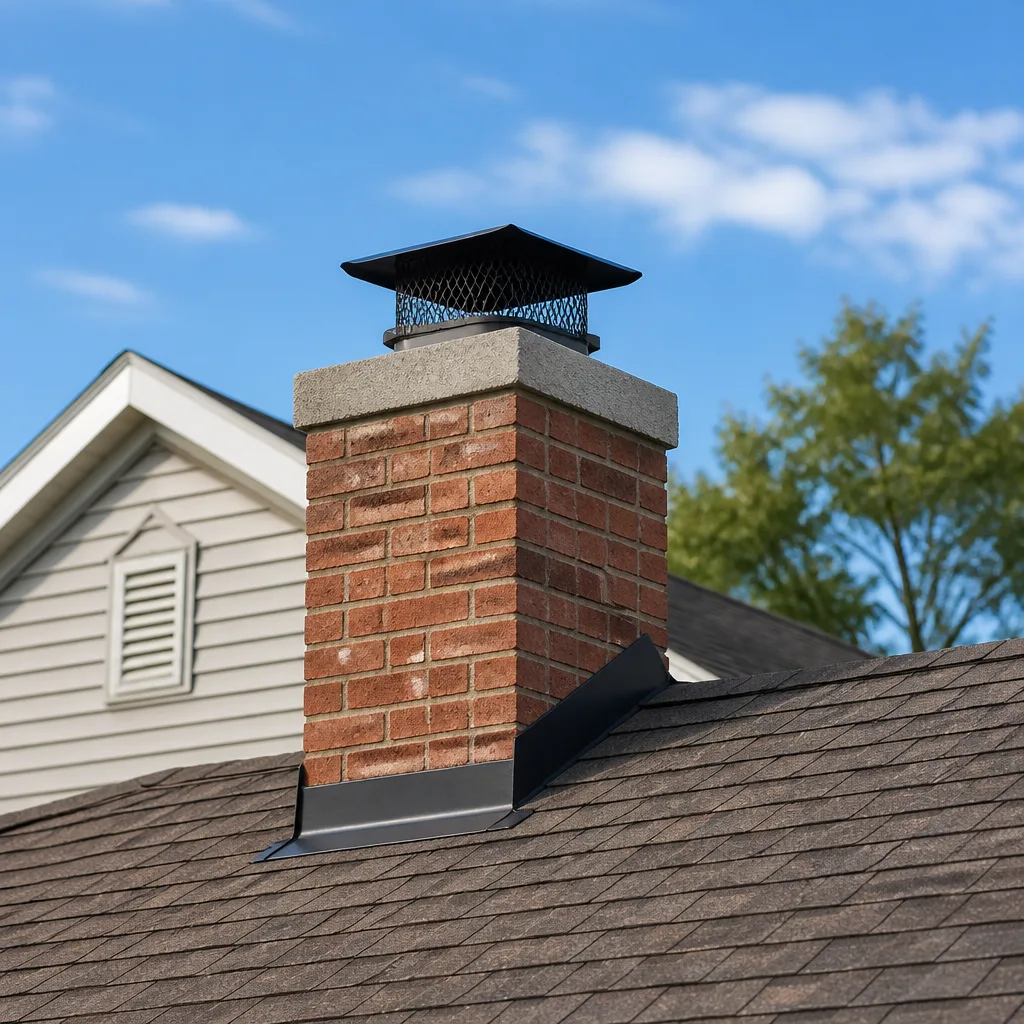 Sweep & inspection
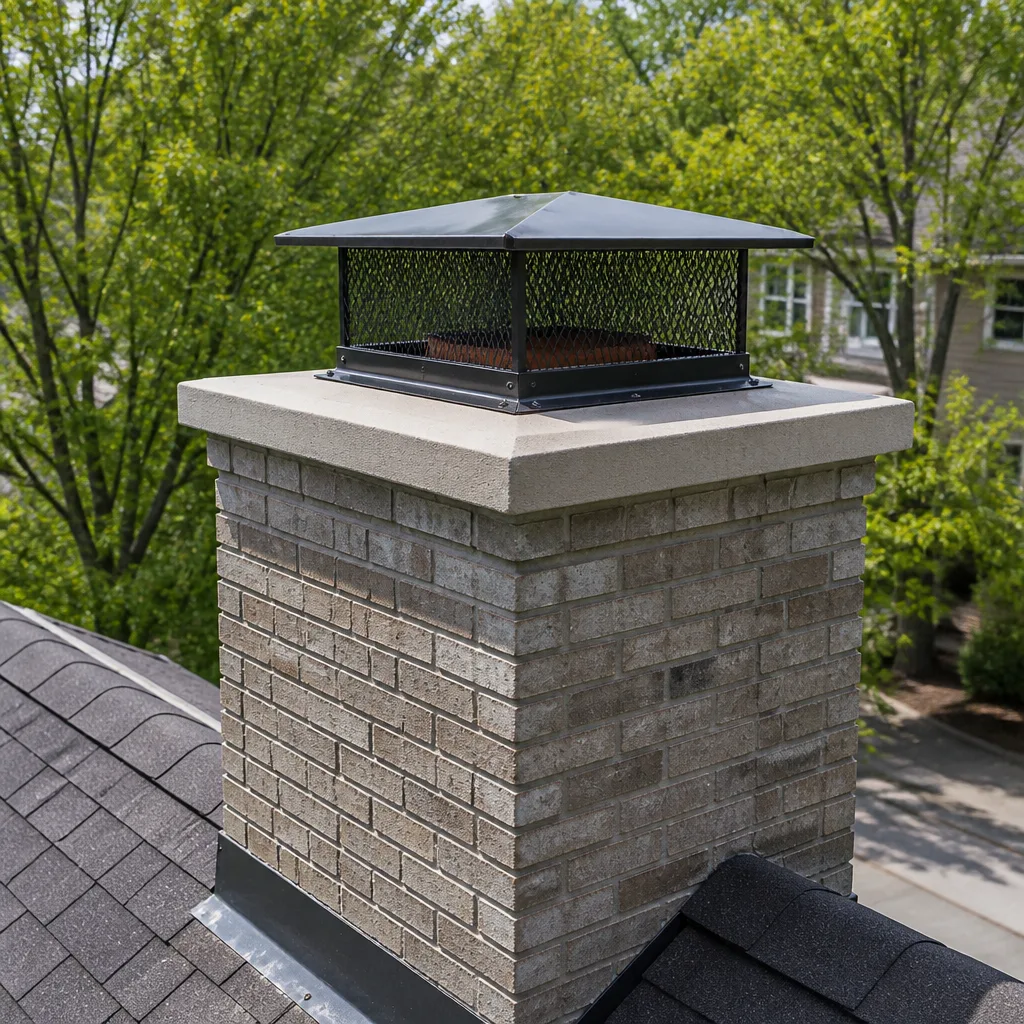 Caps & crowns
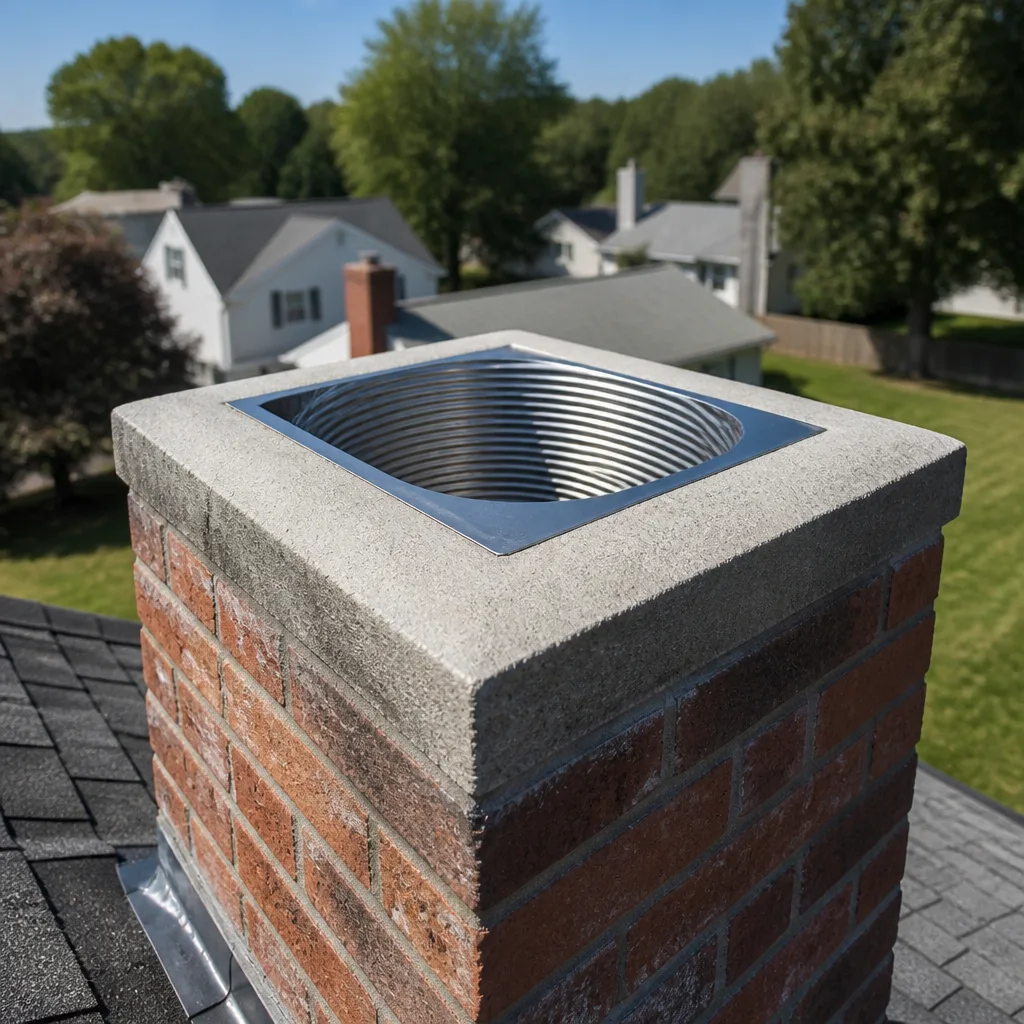 Flue relining
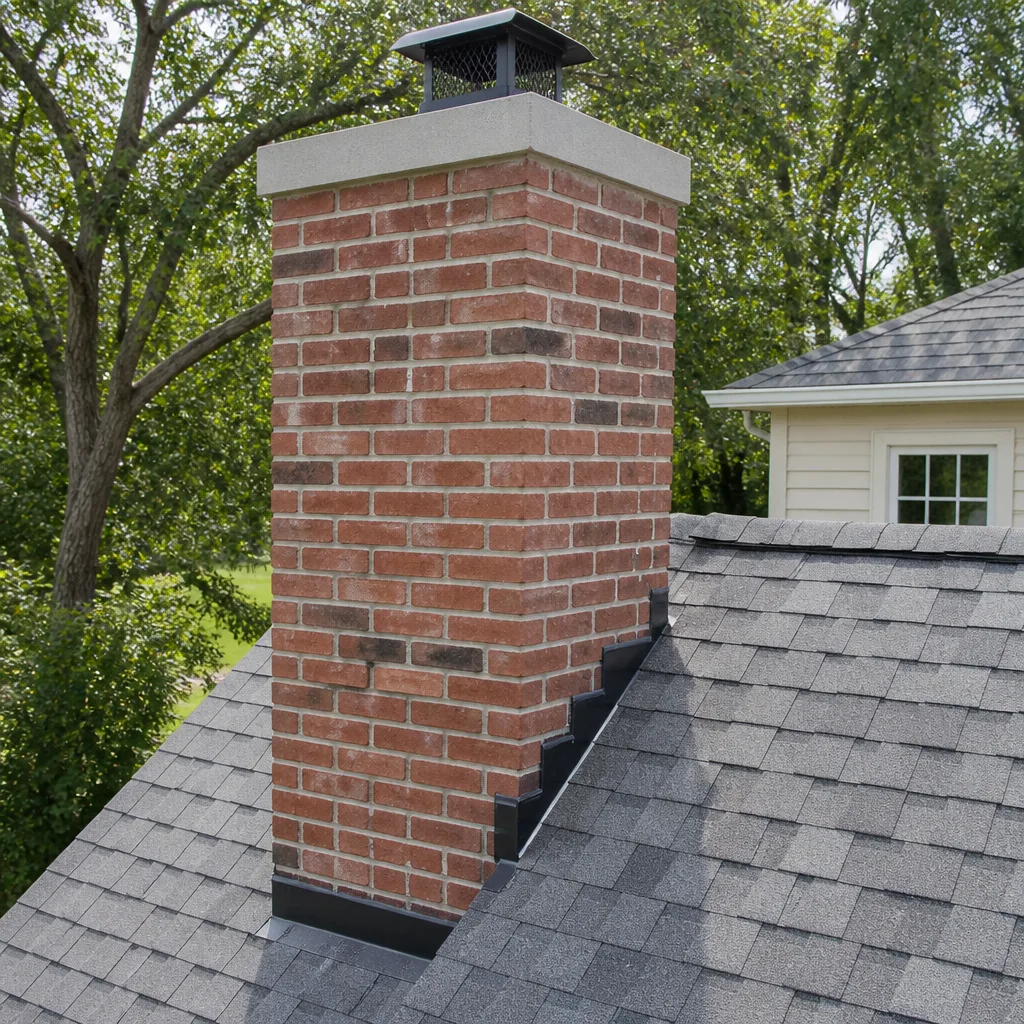 Masonry repair
 Gas fireplace service
Level 1 sweep and inspection to the NFPA 211 annual standard - flue, crown, cap, and flashing checked and photographed
Chimney sweep logs do not sweep chimneys. They loosen some creosote - which then falls where a brush and vacuum still have to collect it.
Chimney Cleaning Emergency Preparedness Guide for Murray Homes
During a chimney fire, the instinct to douse the firebox with water is wrong. The thermal shock of cold water on a hot clay liner can crack it outright, turning a survivable event into a liner replacement and a mandatory inspection before the fireplace is safe to use again. Most Murray homeowners have a fire extinguisher under the sink and no plan at all for the two chimney emergencies that actually happen here: a chimney fire, and a carbon monoxide event from a blocked flue. This guide gives you a specific response protocol for each, plus the preparation steps that make a bad night less bad. You’ll learn what to do, what not to do, and how to get the system back into service correctly afterward.
Quick Answer
If you suspect a chimney fire, close every air inlet to the firebox, get everyone out of the house, and call 911 from outside. Do not throw water into the firebox. For any known or suspected chimney fire, NFPA 211 requires a Level 2 inspection before the appliance is used again, and that inspection is not optional. A carbon monoxide alarm means the same immediate evacuation, plus a professional flue inspection before anyone lights another fire.
Styles & brands we work with
- Sweep & inspection
- Caps & crowns
- Flue relining
- Masonry repair
- Gas fireplace service
Table of Contents
- How Do You Know It’s a Chimney Fire?
- What to Do During a Chimney Fire: The Response Protocol
- Carbon Monoxide: The Emergency With No Visible Warning
- After the Fire: NFPA 211 and the Level 2 Inspection
- How to Prepare Before Anything Happens
- What Your Insurance Will Ask For
- Prevention That Actually Works in Murray
- Common Mistakes to Avoid
How Do You Know It’s a Chimney Fire?
A chimney fire isn’t always the dramatic column of flame people picture. Many burn quietly inside the flue, starved of air, and the only sign is a sound. In our experience, the sound is what homeowners remember afterward: a low roar like a freight train or a distant jet, sometimes paired with a vibration you can feel through the floor.
Watch and listen for these signs, singly or together:
- A roaring or rumbling sound coming from the chimney or the wall behind the fireplace.
- Dense, dark smoke or a sudden puff of smoke backing into the room.
- Flames or sparks visible at the top of the chimney, sometimes described as a blowtorch effect.
- Creosote flakes or pieces of liner on the roof or in the yard after a fire, which point to a hot burn in the flue.
- Pieces of creosote falling into the firebox or a sudden smell of hot, acrid smoke indoors.
- Warped or discolored damper or metal components, which you may only notice later.
By the time you see flames at the top, the fire has been burning for a while. Fast, cool-burning fires with a lot of paper and softwood send more creosote up the flue, and Murray’s cold winters mean the chimney runs hard for months. A quiet roar is a chimney fire. What matters next is what you do in the first minute, not whether the fire was dramatic.
If you smell smoke indoors when the fireplace isn’t running, or the draft has suddenly reversed, treat it as a blockage until a professional says otherwise. Our Chimney Sweep Murray team handles these diagnosis calls regularly, and a blocked flue is a common cause.
What to Do During a Chimney Fire: The Response Protocol
Close every air inlet, evacuate, and call 911. Those three steps, in that order, are the core of a safe response. Starving the fire of oxygen slows it while the fire department is on its way. Water in the firebox is the one thing you should not do, for the reason in the opening: a hot clay liner that gets hit with cold water can crack clean through.
- Get everyone out first. If there’s any doubt about the extent of the fire, leave. Call 911 from outside the house. A door between you and a chimney fire is worth more than any suppression attempt.
- Close the firebox doors and the damper. If you can do this safely on your way out, close the glass doors, the air controls, and the damper to cut the fire’s oxygen.
- Close the chimney cap or top damper if you have an accessible one, but never climb onto a snowy or icy roof in Murray in January to do it. A fall off a roof in a snowstorm is its own emergency.
- Do not pour water down the chimney or into the firebox. Water and hot clay don’t mix. Let the fire burn out under the fire department’s supervision.
- Keep a suppression stick accessible if you keep one (see the preparation section). You throw the stick into the firebox and close the door; you don’t aim or spray.
- Stay out until the fire department clears the house. After that, no fire in the fireplace until the chimney has been inspected.
If you’re reading this in the middle of an event, stop reading and act. Everything else on this page can wait until morning. If it’s already over and you’re wondering what happens next, keep going. The post-event inspection is the part most homeowners get wrong.
Carbon Monoxide: The Emergency With No Visible Warning
A carbon monoxide alarm is a different emergency from a chimney fire, and it’s often harder to assign to the chimney. CO is colorless, odorless, and produces no smoke, so a blocked or cracked flue can vent exhaust into the living space with nothing to see. A wood or gas fireplace needs a clear flue and a sound liner to vent properly. When either fails, CO can build up in a Murray living room with the fire looking perfectly normal.
Symptoms that suggest CO rather than a cold coming on:
- Headache, dizziness, nausea, or fatigue that improve when you leave the house and return when you come back.
- Multiple people in the home feeling the same symptoms at the same time, which is a classic sign of a shared air problem.
- A CO alarm sounding at any level, even if you feel fine.
- Pets acting lethargic or unwell in the same room as the fireplace, since animals react to CO sooner than people often do.
- A yellow or orange flame where you normally see blue, or soot appearing on the fireplace glass.
What to do immediately:
- Get outside and call 911. Do not open windows and wait it out. Get fresh air and let the fire department check the home.
- Don’t relight the fire until the source has been found. A CO event from a flue blockage stays dangerous until the blockage is cleared.
- Book a professional inspection of the flue, the appliance, and the draft path before anyone uses the fireplace again. Emergency services handle the immediate hazard; a certified inspector handles the cause.
- Check your CO detectors. If the alarm did not go off but you had symptoms, that’s its own problem worth solving that day.
Symptoms that point to an appliance malfunction rather than a flue blockage usually show up when the gas log set or insert runs but the room stays stuffy. Either way, the fireplace stays cold until the system has been checked. Our chimney repair service starts with the diagnostic inspection, not with a guess.
After the Fire: NFPA 211 and the Level 2 Inspection
NFPA 211 requires a Level 2 inspection after any known or suspected chimney fire before the appliance is used again. This is a code requirement, not a sale. A Level 2 inspection means the inspector goes beyond the firebox and the visible flue: it includes a camera inspection of the flue interior, the attic and crawl space, and the roof-level components. It’s the only way to confirm whether a clay liner cracked, whether creosote burned into the joints, and whether a metal liner is still sound.
Here’s what the inspection typically covers:
- Camera inspection of the flue to check for cracks, gaps in mortar joints, and warped or missing liner sections.
- Firebox and damper condition, including warped metal or damaged brickwork.
- Crown and cap condition at the top, since a cracked crown lets water in and starts its own set of problems.
- Clearances to combustibles around the flue, which matter more after a hot fire.
- Documentation you can hand to your insurer if a claim follows.
After the inspection, there are three possible outcomes. The liner is sound and you sweep and go on. The liner is cracked or warped and needs repair or replacement. Or the flue is damaged badly enough that resurfacing is the right fix. If the third comes up, we can resurface the existing flue with HeatShield, which is a repair method most sweep-only companies cannot perform. Where a full liner replacement is the better call, we use DuraFlex flexible liner systems, which handle configurations that rigid systems can’t.
The worst outcome is lighting another fire before the inspection. The fact that the fire is out and the house smells normal doesn’t mean the flue is intact. Our chimney sweep service includes the camera inspection and the report, and the report is something you keep. A cracked liner should never get a second chance to vent into the house.
How to Prepare Before Anything Happens
Preparation is the difference between a bad night and a bad year. The steps below help homeowners across Murray handle a chimney emergency with a plan rather than a panic, and none of them are expensive.
Carbon monoxide detector placement
- One on every level of the home, including the basement or any sleeping level.
- One within earshot of the sleeping areas, so an alarm at 2am wakes someone.
- One in the room with the fireplace if it’s a large or separated room, since that’s where CO would collect first.
- Keep detectors off the wall near the fireplace itself, where heat and smoke can trigger nuisance alarms, but close enough that they’d catch a flue leak.
Suppression tools
A chimney fire suppression stick like Chimfex is designed to be thrown into the firebox and the door shut, which starves the fire of oxygen without water. Keep one somewhere you can reach it quickly on your way out, and check it once a year. A standard ABC fire extinguisher is for fires outside the firebox, not for a chimney flue. Trying to fight a fire up the flue with an extinguisher rarely works and puts you closer to the danger than you need to be.
Contacts and access
- Save your chimney sweep’s number in your phone under a searchable name, so you can find it when your hands are shaking.
- Know where your damper closes and that it actually works, before you need to close it in a hurry.
- Keep the annual inspection report somewhere you can find it. It matters to insurance (see below) and it’s useful to whoever inspects the chimney next.
- Get the chimney inspected before each burning season, so a problem gets caught in October rather than discovered in February, with the coldest stretch ahead and no time to book the repair.
Have the number for a Murray chimney specialist ready before you need it. The one you want is a company that can act on what the inspection finds. We work on the whole system, not just the flue, and one inspection can tell us whether you need a sweep, a liner repair, or a new crown, and we can handle all three.
What Your Insurance Will Ask For
After a chimney fire, most insurance carriers will ask for evidence that the chimney was maintained before the event. A sweep and inspection history is the difference between a claim that moves and one that stalls. If there’s no record of prior maintenance, the carrier isn’t going to assume there was any. It may treat the fire as a maintenance failure and put the cost on you.
What to keep, and why:
- Annual inspection reports with the date and the findings, whether or not any work was recommended.
- Sweep receipts showing the flue was cleaned, kept in one place you can find after a bad night.
- Records of repairs and replacements, including liner installations, cap and crown work, and fireplace repairs.
- Photos of the system after any repair, which document condition at the time it was signed off.
If no records exist, a post-event Level 2 inspection is still required, and its report becomes your documentation going forward. Our fireplace repair team writes up every inspection and keeps a record of the work, which is helpful precisely when an insurer wants proof. The same records help you sell a home, refinance, or answer a question from the next inspector. If you’re unsure whether your home has a record worth handing to an insurer, that’s worth a call before the season starts, not after a fire.
Prevention That Actually Works in Murray
Prevention isn’t complicated, and it’s mostly about the creosote. The single most effective thing you can do is an annual sweep before the burning season, so the creosote layer never gets thick enough to fuel a chimney fire. The second is an inspection with a camera, so a hairline crack in the liner gets found while it’s still a crack and not a hole venting into the wall cavity.
What helps most in a Murray winter:
- Burn seasoned wood. Wet wood produces more creosote and burns cooler, which is the opposite of what a chimney needs.
- Don’t let the fire smolder overnight. A slow, smoky fire deposits more creosote than a hot, clean burn.
- Get a camera inspection annually, especially on an older clay liner, since cracks don’t announce themselves.
- Keep the cap on and the crown sound. A cracked crown lets water in, and water plus freeze-thaw cycles damage masonry fast. We install caps and crowns using Famco and Copperfield materials, sourced from the same brands professionals across the industry rely on.
- Watch for draft problems early. Smoke that backs up or a fire that’s hard to start are signs of a partial blockage.
Clean chimneys prevent fires. Sound chimneys prevent costly rebuilds. We do both, and a single visit covers the sweep, the inspection, and the camera report, so a problem doesn’t wait a season to be found.
Common Mistakes to Avoid
- Pouring water into a burning firebox. The thermal shock can crack a hot clay liner. Close the doors, starve the fire, and get out.
- Climbing onto the roof during or right after a fire. A Murray roof in December is snow-covered and slick. Falls are the second emergency you don’t need.
- Associating “the fire is out” with “the chimney is fine.” A cracked liner can vent into the wall cavity for months after a fire, and nothing inside the house suggests it.
- Lighting another fire before the Level 2 inspection. That’s the specific mistake NFPA 211 exists to prevent, and it can’t be undone.
- Skipping the CO detectors. A wood or gas fireplace without a working CO alarm near the living space is a fire you can see coupled with one you can’t.
- Hiring a sweep-only company when the inspection finds damage. If the company can’t repair what it finds, the record and the accountability get split. One company should carry it from inspection through repair.
- Treating no records as no problem. An insurer can treat an undocumented chimney as an unmaintained one. Keep the reports.
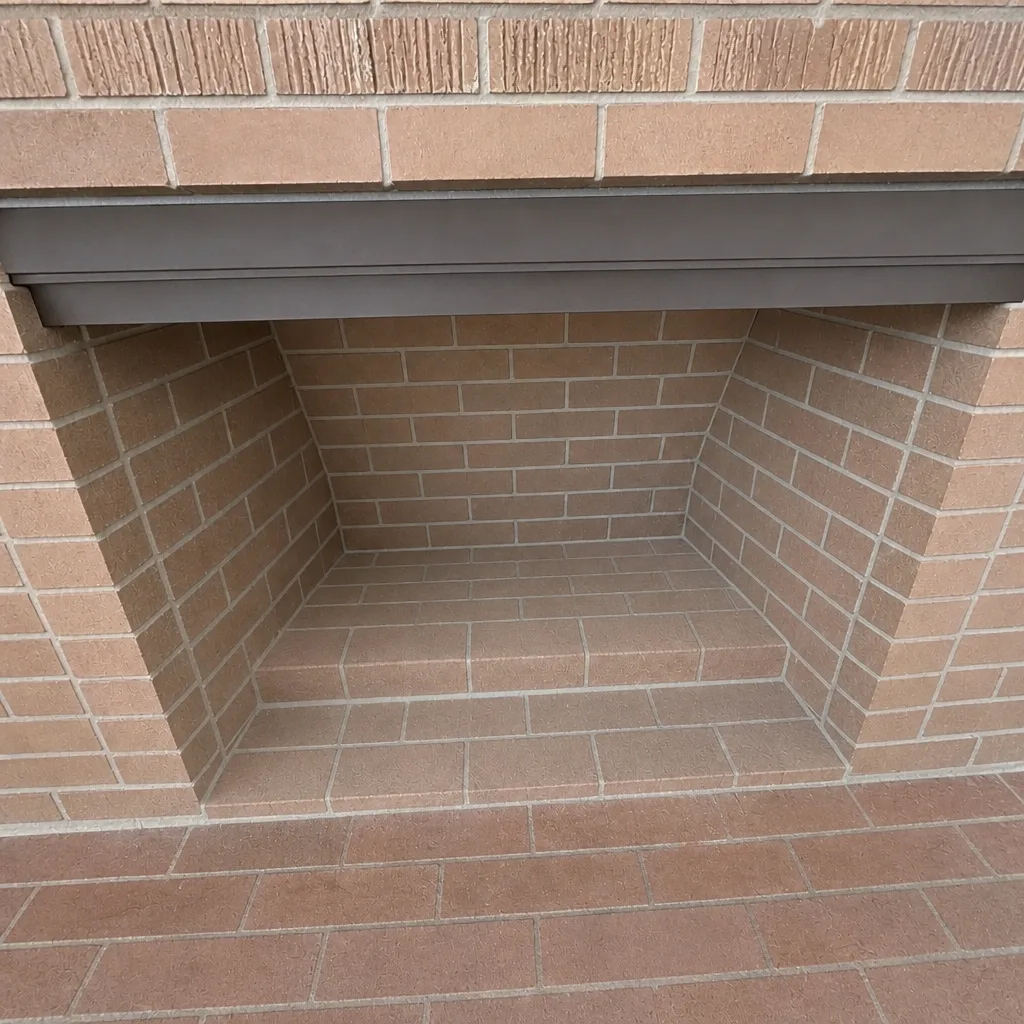
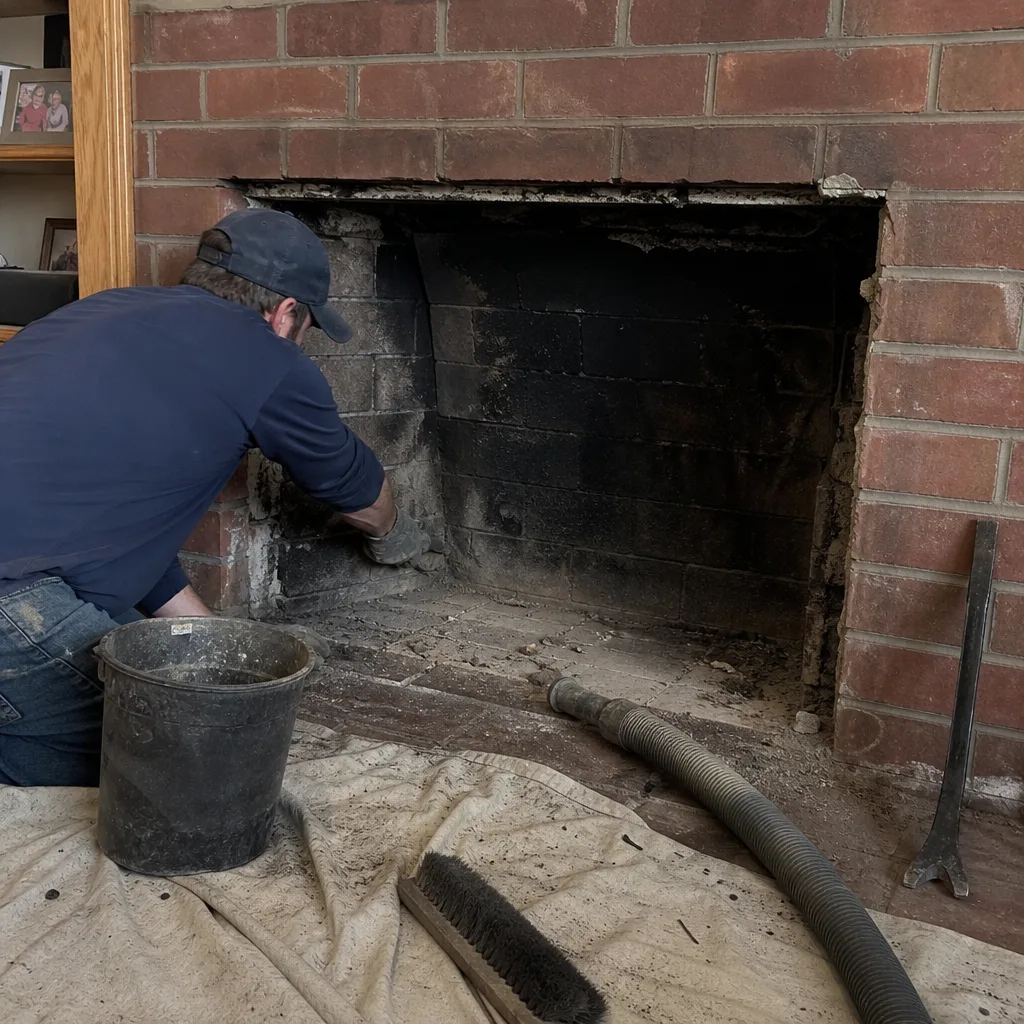
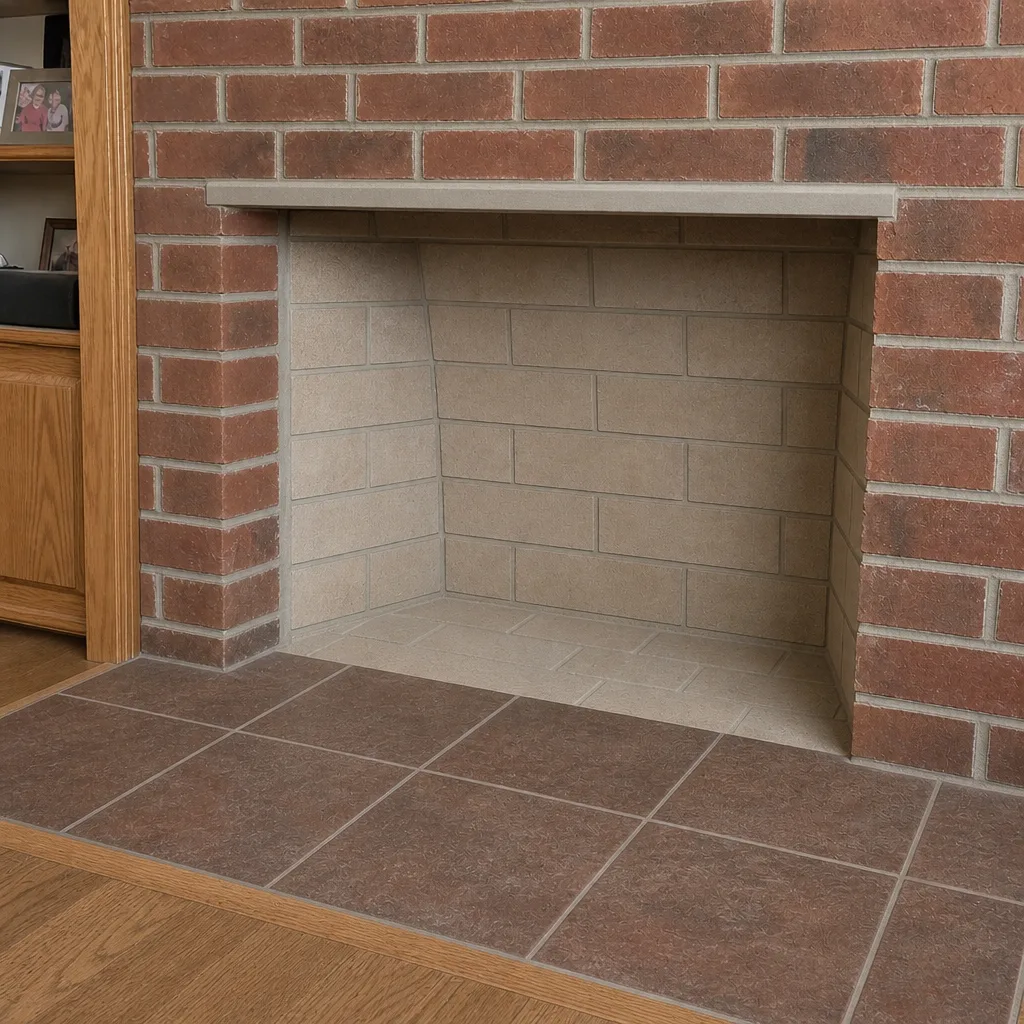
See the difference
 Before
 After
 Before
 After
 Before
 After
When to Call a Professional
Call a professional immediately after any suspected chimney fire, any CO alarm, or any fire that backed smoke into the room. Call before burning season for the annual inspection, and call right away if you see cracked or flaking masonry, a loose cap, or soot streaks around the firebox that weren’t there last year. Call also if you’re selling a home in Murray, refinancing, or an insurer has asked for records you don’t have. A cracked crown, a damaged damper, or a warped cap is a repair, not a crisis, but each one gets worse over a winter. Chimney Sweep Murray offers free estimates in Murray – call (855) 616-0935. We answer 24/7. Fast dispatch from 7am to 7pm, Sunday through Friday. Our technicians have up to 9 years of experience.
Frequently Asked Questions
Close the firebox doors and the damper, get everyone out of the house, and call 911. Do not pour water into the firebox. A hot clay liner hit with cold water can crack, which turns a survivable fire into a liner replacement. Once the fire is out, no fire in the fireplace until a Level 2 inspection has confirmed the flue is sound.
No. NFPA 211 requires a Level 2 inspection after any known or suspected chimney fire before the appliance is used again, whether or not you called the fire department. A fire that burned quietly inside the flue can still have cracked the liner or damaged the joints, and those aren’t visible from the firebox. Book the inspection before the next cold snap. Call (855) 616-0935 for an exact quote on the inspection and any repair it finds – estimates are free.
A CO alarm means carbon monoxide has reached a level that needs action now. Get everyone outside, call 911, and don’t relight the fire until the cause has been found. After the immediate event, a professional flue inspection determines whether a blockage, a cracked liner, or an appliance problem is responsible. Emergency services handle the hazard; the inspection handles the cause.
Once a year before the burning season is the standard for a wood-burning fireplace, and more often if you burn heavily or notice a thick creosote layer. An annual sweep is also the inspection visit, since the camera inspection happens at the same time. The inspection is what catches a liner crack before it becomes a fire hazard.
Yes, if you want a chimney fire claim to move. Carriers commonly ask for evidence the chimney was maintained before the event, and without records they may treat the fire as a maintenance failure. An annual inspection report and sweep receipt, kept in one place, are the documents that answer the question. If you don’t have them, a Level 2 inspection now becomes the record going forward.
A Level 2 inspection goes beyond the firebox and the visible flue. It includes a camera inspection of the flue interior, the attic and crawl space, the roof-level components, and clearances to combustibles. The findings determine whether you sweep and continue, repair or resurface the liner, or replace it. HeatShield resurfacing is an option for a damaged flue that most sweep-only companies can’t perform, and DuraFlex flexible liners cover configurations rigid systems can’t reach. Call (855) 616-0935 for a quote on the inspection or any repair it turns up.
The Bottom Line
A chimney fire is survivable, and a carbon monoxide event is preventable, but both depend on what you do in the first minute and the decision you make afterward. Close the air inlets, evacuate, and call 911. Never pour water into a hot firebox. Once the fire is out, the job isn’t done: NFPA 211 requires a Level 2 inspection before the fireplace is used again, and that inspection has to happen whether the fire was dramatic or quiet. Keep CO detectors near the living and sleeping areas, keep your sweep’s number where you can find it, and keep your inspection records in one place. If you’re in Murray and want a plan before the season starts, call (855) 616-0935. We answer 24/7. Fast dispatch from 7am to 7pm, Sunday through Friday.
Written by the team at Chimney Sweep Murray.